AI Accessory Pairing: Match Jewelry, Bags & More Perfectly | Cliptics
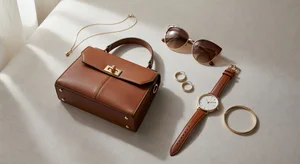
You know that moment when you're standing in front of your closet, outfit picked out, but totally stuck on which accessories to wear? Yeah, me too.
The right accessories can completely transform an outfit. But figuring out what actually goes together? That's where most of us hit a wall. Do those earrings work with that necklace? Is this bag too much with this belt? Should you even wear a belt?
AI accessory pairing tools are changing this whole game, and honestly, I'm kind of obsessed with how well they work.
These tools analyze your outfit and suggest accessories that actually complement what you're wearing. Not generic style rules from a magazine. Specific recommendations based on colors, proportions, style vibes, and what actually looks good together.
I started using one of these tools about six months ago, and my accessories game has completely leveled up. Combinations I never would have thought of on my own? They just work. And getting ready takes way less time because I'm not second-guessing every choice.
Let me show you how this technology actually helps you look more put together without spending hours figuring it out.
How AI Figures Out What Works
The technology behind accessory pairing recommendations is pretty fascinating.
It starts by analyzing your outfit. Colors, patterns, fabric textures, the overall style vibe. Is this look casual or dressy? Minimalist or bold? The AI picks up on all of that.
Then it looks at proportions. If you're wearing something with a busy pattern, the AI might suggest simpler accessories so you don't overwhelm the look. Wearing a high neckline? It'll probably skip necklaces and focus on earrings or bracelets instead.
Color coordination happens at a deeper level than basic matching. The AI understands complementary colors, analogous schemes, and when to add a pop of contrast versus staying tonal. It's like having a stylist who actually knows color theory working with you.
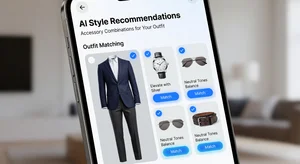
Style consistency matters too. If your outfit leans bohemian, the AI won't suggest ultra-modern geometric jewelry. It keeps recommendations cohesive with the overall aesthetic you're already building.
Some platforms even learn your personal style over time. The more you use them, the better they get at suggesting accessories you'll actually wear versus stuff that might work theoretically but doesn't feel like you.
Categories Where AI Pairing Shines
Jewelry pairing is probably where I see the biggest impact.
Mixing necklaces, earrings, bracelets, and rings can go wrong so easily. Too much and you look overdone. Too little and the outfit feels unfinished. AI tools using virtual try-on can show you exactly how different jewelry pieces look together on you.
I tried layering three necklaces based on an AI recommendation last week. On my own, I never would have put those specific pieces together. But seeing them virtually first? I knew it would work before I even put them on for real.
Watches and jewelry coordination gets tricky too. Some watches are statement pieces that should stand alone. Others pair beautifully with bracelets or rings. The AI figures out which is which based on the watch style and the rest of your look.
Sunglasses pairing takes your face shape and outfit into account. Bold frames might work perfectly with a simple outfit but clash with something already busy. The AI balances all that for you.
Bags and shoes together create another pairing challenge. Do they need to match exactly? Coordinate in tone? Contrast completely? The AI suggests combinations based on current style trends and what actually looks balanced.
The Personal Style Factor
Here's what makes AI pairing different from just following style rules you read online.
It personalizes recommendations to your specific situation. A generic style guide might say "gold jewelry goes with warm tones." Helpful, sure. But AI can look at your exact outfit, your skin tone, the lighting in your photo, and tell you which of your gold pieces would actually work best right now.
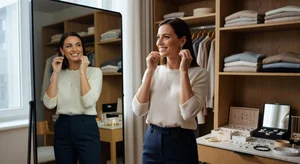
The technology also accounts for occasions. Getting ready for work? The suggestions lean professional. Date night? You'll get recommendations that feel more special without being over the top.
Body proportions play into this too. Certain necklace lengths work better at different heights. Some earring styles complement round faces differently than angular ones. AI pairing tools can factor all of that in, which is something you'd normally need a personal stylist to help with.
And then there's the confidence boost. When you can see suggested accessories on yourself before you commit, you're way more likely to try combinations outside your comfort zone. That's how style actually evolves instead of staying stuck in the same safe patterns.
Discovering Your Accessories
One of the coolest unexpected benefits? These tools help you rediscover accessories you already own.
I had this statement necklace sitting unworn in my jewelry box for like two years. Bought it on impulse, never knew what to wear it with, gave up. Then an AI pairing tool suggested it with this super simple black dress I wear all the time.
Instant new outfit. The necklace became one of my most-worn pieces. I didn't need to buy anything. I just needed someone (or in this case, something) to connect the dots I couldn't see on my own.
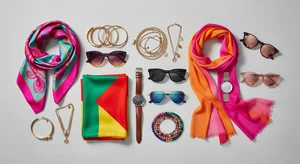
The same thing happened with a scarf, a belt, and three pairs of earrings. All stuff I owned but never styled right. The AI showed me combinations that made sense, and suddenly my accessory collection felt way bigger.
That's a kind of sustainability win, honestly. You don't need more accessories. You need better ways to use what you already have.
Making It Part of Your Routine
Using AI accessory pairing doesn't have to be complicated.
Most tools let you upload a photo of your outfit or choose clothes from your virtual wardrobe. Then you see accessory suggestions either as product recommendations or virtually placed on your image.
Some platforms integrate with retailers, so if you see a suggested accessory you don't own, you can buy it right there. Others focus purely on helping you style what you already have.
I usually check recommendations when I'm planning outfits for the week. Takes maybe ten minutes on Sunday, and then I'm set. Way easier than standing in front of the mirror every morning trying to figure it out on the spot.
For special events, I'll play around more. Upload photos in different lighting, try various accessory combinations virtually, save the ones I like. Then when I'm actually getting ready, I already know what works.
When to Trust AI vs Your Gut
AI pairing suggestions are really good. But they're not perfect.
Sometimes the tool will suggest something that technically works but doesn't feel right for you. That's okay. Use the recommendations as a starting point, not rigid rules.
I've found the AI is especially helpful when I'm stuck or uninspired. It gives me ideas I wouldn't have thought of. But if a suggestion doesn't resonate, I just keep scrolling or try a different combination.
Think of it like getting advice from a stylist friend. They might suggest something you end up loving, or something that's not quite your vibe. Either way, you're learning what works and what doesn't.
Over time, you'll notice patterns in which AI suggestions you actually use versus which ones you skip. That feedback helps you understand your own style preferences better, which is valuable even outside of using the tool.
The Confidence Game Changer
The biggest shift I've noticed since using AI accessory pairing? I just feel more put together.
My outfits look more cohesive. I get compliments on combinations I never would have tried before. And I spend way less time stressing about whether my accessories actually work with what I'm wearing.
That mental energy savings adds up. Instead of obsessing over whether these earrings go with this necklace, I can focus on other stuff. The tool handles the coordination, and I move on with my day feeling confident about how I look.
If you've ever felt overwhelmed by accessorizing, or if you just want to level up your styling game without hiring an actual stylist, AI pairing tools are absolutely worth trying.
Start with what you already own. Upload some outfits. See what the AI suggests. You might be surprised by how many great combinations are already sitting in your closet waiting to be discovered.
And if you're shopping for new accessories? Use these tools to see how potential purchases would pair with your existing wardrobe. That way you're buying pieces that actually integrate into your style instead of one-offs that never get worn.
Your accessories should make you feel amazing. AI pairing helps make that happen way more consistently. And honestly? That's pretty exciting.