AI Alternative Guide: Find Your Perfect Tool Match in 2026 | Cliptics
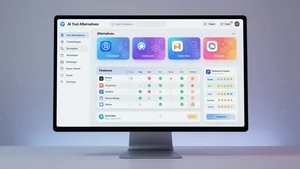
I spent three hours last Tuesday hunting for an AI writing tool that didn't cost $99/month. Not because I'm cheap, but because I knew there had to be better options. Turns out I was right, and what I learned changed how I think about choosing AI tools entirely.
The problem isn't finding AI tools. It's finding the right one when you're drowning in options. Every week brings five new launches, each claiming to be the best. How do you actually decide?
This guide cuts through the noise. I'll show you exactly how to find AI tool alternatives that match what you actually need, not what marketing teams want you to buy.
Why Finding Alternatives Actually Matters
Here's what nobody talks about: the first AI tool you find is rarely the best fit. It's just the one with the biggest marketing budget.
I learned this when I recommended a popular image generator to a client. They signed up, used it twice, then asked me why they were paying $50/month for something they barely touched. The answer? They needed basic photo editing, not complex AI art generation. A simpler, cheaper alternative would've worked better.
That pattern repeats everywhere. Companies pick tools based on features they'll never use. Freelancers overpay for enterprise capabilities. Students get locked into subscriptions when free alternatives exist.
The right alternative saves money, sure. But more importantly, it matches how you actually work. Less friction means you'll use it more. And tools you use deliver value.
The Framework That Actually Works
Forget feature lists and comparison charts for a minute. Start with three questions that eliminate 80% of options immediately.
First: what specific task are you trying to accomplish? Not "I need AI for content" but "I need to turn blog posts into social media captions." Specific. One clear use case.
Second: how often will you actually use this? Daily tools justify subscriptions. Weekly tools maybe need pay-as-you-go. Monthly tools probably have free alternatives that work fine.
Third: what's your technical comfort level? Be honest. Some tools require API keys and command lines. Others work like Google Docs. Neither is better, they're just different. Pick what matches your skills.
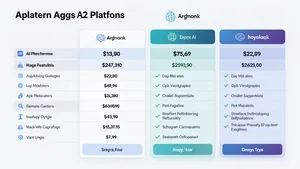
These three questions narrow thousands of tools down to maybe five realistic options. Now you can actually evaluate features without getting overwhelmed.
Where to Find Alternatives You Can Trust
I use five sources, in this order.
AlternativeTo.net is first. Real users review alternatives to popular tools. The voting system surffaces genuinely useful options, not paid placements. Search for any AI tool and you'll find 10-20 alternatives ranked by users who've actually tried them.
Product Hunt comes second. New AI tools launch there daily. The comment threads are gold, honest feedback from early adopters testing things in real scenarios.
G2 and Capterra for business tools. These lean corporate, but if you're choosing tools for teams, the verified user reviews matter. Filter by company size and industry to find relevant experiences.
Cliptics for visual and creative AI tools. Full disclosure, that's our platform. We test every tool before listing it, so you know what actually works versus what just sounds impressive in marketing copy.
Reddit's r/artificial and tool-specific subreddits for unfiltered opinions. People complain loudly about what doesn't work. Those complaints tell you what to avoid.
The Comparison Method That Saves Hours
Here's how I compare alternatives without building massive spreadsheets or testing everything myself.
Make a list of your top three must-have features. Not nice-to-haves, absolute requirements. For me with writing tools: good at long-form content, doesn't require internet, one-time payment option. Your three will differ.
Now grab three alternatives from your research. Don't pick five, you'll never decide. Three is manageable.

Test each against your must-haves using their free trial. No trial? Skip it, plenty of others exist. Spend exactly 30 minutes with each tool doing the same task. This reveals how they actually behave when you're focused.
Document three things: what felt smooth, what felt clunky, what surprised you. The smooth parts are what you'll use daily. The clunky parts are friction you'll hate in six months. The surprises, good or bad, tell you if the tool thinks like you do.
After 90 minutes total, you'll have a clear winner. Or you'll realize none fit and you need to look at different alternatives. Either way, you're making progress with real information.
Common Mistakes That Waste Money
I've seen people make the same errors repeatedly when choosing alternatives. Here are the big ones.
Picking based on features you think you'll need someday. You won't. Choose for today's requirements, switch tools when needs change. AI tools improve fast anyway, what you pick now won't be your forever tool.
Ignoring usage limits until you hit them. Free tiers are great until you're blocked at a critical moment. Check limits before committing, especially for business use.
Not testing the export/cancellation process. Some tools make leaving deliberately painful. Check if you can download your data and actually cancel before signing up.
Choosing the cheapest option without considering time costs. A $10/month tool that saves two hours weekly is cheaper than a free tool that's frustrating to use. Your time has value.
Skipping the comparison and just picking what everyone else uses. Popular doesn't mean right for you. Instagram uses different tools than your local bakery needs.
What Actually Makes One Alternative Better
Price matters but it's not everything. I've seen free alternatives outperform $100/month tools for specific use cases.
The better alternative does exactly what you need without doing ten other things you don't. Feature bloat slows you down. Focused tools are faster.
It fits your existing workflow. If you live in Google Workspace, pick alternatives that integrate there. If you're in Microsoft 365, same logic. Don't fight your ecosystem.
The learning curve matches your available time. Powerful tools with steep learning curves are terrible if you need results this week. Simple tools that work immediately beat complex ones you never master.
Support quality matters more than people think. When you're stuck, can you get help? Community forums, documentation, actual human support? This separates tools you'll keep using from ones you'll abandon.
Where This All Leads
The right AI tool alternative isn't the newest or most popular. It's the one you'll actually use because it fits how you work.
I found my writing tool alternative eventually. Costs $15/month instead of $99, does exactly what I need, nothing more. Took three hours of research to save $1,000 yearly. Worth it.
Your perfect match is out there too. Use this framework, test deliberately, choose based on real needs. The time invested pays back fast.
And remember, switching tools is normal. Your needs change, tools evolve, new alternatives launch monthly. What works today might not work next year. That's fine. The skill of finding good alternatives matters more than any specific tool.