AI Face Swap: Entertainment vs Misinformation - Ethics | Cliptics
The first time I saw myself in a face-swapped video saying things I never said, the humor wore off quickly. It was technically impressive, sure. The lips synced perfectly. The expressions looked natural. But watching words I didn't speak come out of my digital face felt deeply unsettling.
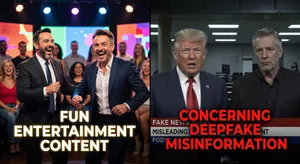
That experience crystallized something I'd been thinking about: face swap technology has reached a point where entertainment and misinformation are separated by intent alone, not capability. The same tools that create harmless fun can produce dangerous deception.
As someone who works with AI tools regularly, I've been wrestling with where responsible creators should draw lines. Not legal lines. those are clear enough. But ethical lines that go beyond "can I do this" to "should I do this."
The Entertainment Appeal Is Real
Let's start with why face swaps became popular in the first place. They're genuinely entertaining. Seeing your face on a movie character is fun. Swapping faces with friends creates shareable moments. The novelty factor is undeniable.
I've used face swap apps for lighthearted content. Birthday videos where everyone's face gets swapped. Historical photo recreations. Movie scene parodies. When everyone involved is aware and consenting, and the context is clearly entertainment, these uses feel harmless.
The technology enables creative expression that wasn't possible before. Indie filmmakers can create effects that used to require Hollywood budgets. Content creators can produce comedy sketches that would be physically impossible to shoot. Artists can explore identity and representation in new ways.
This creative potential is valuable. We shouldn't dismiss it just because the technology can be misused. Every powerful tool carries risk. The question is how we use it.
Where Things Get Complicated
The problem starts when the line between obvious entertainment and potential deception blurs. Some scenarios are easy to evaluate. Others... not so much.
Parody and satire. If I create a face-swapped video of a politician for satirical purposes, clearly labeled as parody, is that acceptable? Satire is protected speech in most democracies. But what if some viewers miss the satire label? What if the video gets shared without context?
Historical recreation. Museums and educators use face swap technology to bring historical figures to life. Seeing Martin Luther King Jr.'s "I Have a Dream" speech with enhanced clarity and his face mapped to HD video helps modern audiences connect with history. But we're also creating content that didn't originally exist. Where's the line?
Tribute and memoriam. When someone dies, grieving families sometimes use face swap technology to create new memories. seeing a lost loved one in new contexts. The emotional value is real. But we're also creating false memories, literally manufacturing moments that never happened.

Consent and posthumous use. If someone gave permission for their likeness to be used while alive, does that permission extend after death? Celebrity estates wrestle with this constantly. The technology makes the question urgent for everyone.
The Misinformation Threat
Now we get to the genuinely dangerous territory: face swaps created specifically to deceive. This isn't hypothetical. It's happening now.
Political deepfakes designed to make leaders appear to say things they never said. Fake celebrity endorsements for scam products. Manipulated evidence in legal proceedings. Fabricated video "proof" of events that never occurred.
The threat isn't just the technology. it's the erosion of trust. When anyone can create convincing fake video of anyone saying anything, how do we know what's real? We're approaching a point where "seeing is believing" no longer holds.
I've watched this play out in real-time. A face-swapped video of a CEO apparently announcing company bankruptcy went viral, briefly tanking the stock price. It was fake, but the damage happened before verification could catch up. That's the pattern: deception travels fast, correction travels slowly.
What worries me most is how normalized this is becoming. The first deepfakes were obvious and crude. Now they're smooth. Soon they'll be undetectable without specialized tools. We're in an arms race between creation and detection, and detection is losing.
Responsible Creator Guidelines
So what should responsible creators do? I've developed personal guidelines that go beyond legal compliance:
Clear labeling. Any face-swapped content I create includes prominent disclosure. Not buried in a description. right in the content itself. "This is a face swap" or "AI-generated" or "Parody." If the content could be mistaken for real, I make sure viewers know it's not.
Consent first. I don't create face swaps of real people without their explicit permission. Celebrity status doesn't grant me permission to use someone's likeness. Being a public figure doesn't mean surrendering control over your digital representation.
Context preservation. When sharing face-swapped content, I include enough context that viewers understand what they're seeing. If it's entertainment, I frame it clearly as entertainment. If it's educational, I explain the purpose.
Avoid harmful impersonation. I won't create content that could damage someone's reputation or credibility, even as a joke. The line between funny and harmful depends heavily on power dynamics and social context. I err on the side of caution.
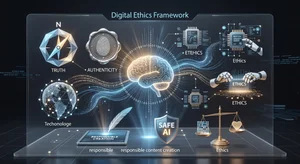
Consider downstream use. Before creating something, I think about how it might be misused if stripped of context and shared elsewhere. If the potential for harmful reuse is high, I don't create it.
Platform Responsibility
Individual creator ethics matter, but they're insufficient. Platforms hosting this content have responsibilities too.
Better detection systems that flag AI-generated content automatically. More solid verification for content involving public figures. Clearer labeling requirements that persist even when content is shared. Faster response to reported misinformation.
Some platforms are taking this seriously. Others are not. The inconsistency creates gaps where misinformation thrives.
As a creator, I choose platforms that demonstrate commitment to authenticity and provide tools for ethical disclosure. I avoid platforms that prioritize engagement over truth, even if they offer larger audiences.
The Education Gap
Many people using face swap technology don't fully understand the implications. They see it as a fun filter, not a tool with serious potential for misuse. That education gap is dangerous.
I've started being more explicit about this in my content. When I share face-swapped entertainment, I also discuss the technology's capabilities and risks. Not in a preachy way, but conversationally. "This is fun, and also here's why we need to be thoughtful about it."
The goal isn't to scare people away from the technology. It's to cultivate informed users who understand both creative potential and ethical responsibility.
Technical Solutions Aren't Enough
There's a temptation to believe technology will solve problems technology created. Better deepfake detection. Blockchain verification of authentic media. AI watermarking systems.
These tools help. But they're not sufficient. Because the fundamental problem isn't technical. it's social. It's about trust, intent, and the incentives driving content creation.
Even perfect detection doesn't solve the problem if people don't bother checking. Even solid verification doesn't matter if platforms don't enforce it. Even clear labeling fails if creators deliberately mislabel content.
We need technical solutions and cultural shifts. Technology that makes authenticity verifiable. Social norms that value truth over virality. Platform policies that prioritize integrity. Legal frameworks that address AI-generated content without crushing creative expression.
It's complex. There are no simple answers.
Where I've Landed
After extensive thought and real-world experience, here's my position: face swap technology is a powerful tool that can serve entertainment, education, and creative expression. It can also enable dangerous misinformation.
Responsible use requires:
- Clear communication about what content is and isn't authentic
- Respect for consent and the rights of people whose likenesses are used
- Thoughtful consideration of potential harms before creating content
- Active participation in building culture and systems that value truth
For creators looking to work with face swap and similar technologies ethically, tools exist to support responsible workflows. Single face swap capabilities should be used with clear disclosure. AI image editing and photo filters offer creative options that don't involve impersonation.
The Bigger Picture
Face swap technology is just one example of a broader pattern. AI tools are giving us capabilities that outpace our ethical frameworks. We can do things before we've collectively decided whether we should.
That gap is where harm happens. Not from malicious actors alone, but from well-intentioned creators who haven't thought through implications. From casual users who don't understand the power of tools they're using. From platforms that prioritize growth over responsibility.
Closing that gap requires ongoing conversation. Not one-time guidelines, but continuous engagement with questions that don't have permanent answers. As technology evolves, our ethical frameworks must evolve with it.
The alternative. ignoring ethical questions until regulations force compliance. leads to backlash that often overreaches. Better to build responsible norms from within creator communities than to have restrictions imposed externally.
We're at a crossroads. The path we choose now, in how we use and discuss these technologies, will shape what's possible and what's acceptable for years to come.
I'd rather be part of building that future thoughtfully than stumbling into it carelessly. That means sometimes not using technology just because I can. Sometimes prioritizing truth over virality. Always asking "should I" before "can I."
That's not limitation. That's responsibility. And in the age of AI-generated content, responsibility might be the most creative act of all.