AI Hijab Try-On: Explore Styles, Colors, and Fabrics | Cliptics
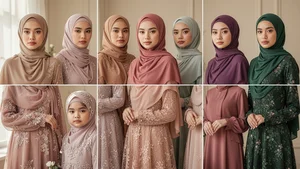
Shopping for hijabs online has always involved a leap of faith. You scroll through product photos, try to imagine how that dusty rose chiffon would look against your skin tone, wonder if the drape would sit right on your shoulders, and then cross your fingers when you click "add to cart." We've all been there. Returns, regrets, and that pile of hijabs in the closet that looked nothing like the listing.
But something has changed. AI powered virtual try on technology is finally catching up to what modest fashion shoppers actually need. And honestly? It's about time.
I started exploring Cliptics AI Hijab Try-On a few weeks ago, and it genuinely shifted how I think about hijab shopping. You upload a photo of yourself, pick a style, choose your color, and the AI shows you exactly how it would look. Not a rough approximation. An actual realistic preview that accounts for your face shape, your complexion, and the way fabric naturally falls.
Let me walk you through what I've learned about using this technology to find styles that truly work for you.
Understanding Hijab Styles Before You Try Them On
The first thing that surprised me was how many distinct styles exist that I'd never even considered trying. Most of us settle into one or two go to wrapping methods and stick with them for years. There's comfort in routine. But there's also a lot we might be missing.
The classic wrap is where most people start. Fabric draped over the head, one side pulled longer, tucked or pinned near the chin. It's clean, elegant, and works for nearly every face shape. But it's far from the only option.
Turkish style hijabs create volume at the crown and frame the face differently. They tend to work beautifully for oval and heart shaped faces because the lifted silhouette balances proportions. Malaysian style draping sits closer to the head with a more streamlined look, which can be incredibly flattering for round face shapes.
Then there's the shawl style, which has been trending heavily in modest fashion circles. It's looser, more relaxed, and gives off effortless energy. The Kuwaiti style adds layers and texture. The one shoulder drape creates an asymmetric look that photographs incredibly well.
Here's where AI try on becomes genuinely useful. Instead of watching dozens of YouTube tutorials and spending an hour in front of the mirror for each style, you can preview them instantly on your own face. The Cliptics virtual try-on tool lets you flip through styles the way you'd swipe through a playlist. Fast, visual, and personal to you.
The Color Question Nobody Talks About Honestly
Let's be real about something. Most hijab color advice online is generic to the point of being useless. "Cool tones for cool skin, warm tones for warm skin." Great. But what does that actually mean when you're staring at 47 shades of green on a website?
What I've found through virtual try on testing is that the rules are far more nuanced than any color wheel chart suggests. Some people with warm undertones look absolutely stunning in certain cool toned hijabs because of contrast effects with their hair color or eye color. The standard advice would have steered them away from those options entirely.
AI try on solves this by removing the guesswork. Upload your photo. Try the emerald. Try the sage. Try the olive. See which one makes your eyes pop and which one washes you out. Your screen becomes your fitting room.
A few color insights I've gathered from extensive testing: deep jewel tones like burgundy, navy, and forest green tend to be universally flattering across most skin tones. Pastels can be tricky because they need the right fabric weight to avoid looking washed out. Earth tones are having a massive moment in 2026, and for good reason. They pair with literally everything.
If you're building a capsule hijab wardrobe, start with a neutral (black, navy, or taupe), add a jewel tone that complements your skin, and then experiment with one statement color. Use the AI try on to verify each choice before spending a cent.
Fabric Makes or Breaks Everything
Here's something that doesn't get enough attention. Two hijabs in the exact same color can look completely different depending on the fabric. A matte jersey in dusty pink reads casual and cozy. A satin in the same shade reads formal and polished. Same color. Totally different vibe.
Chiffon remains the most versatile fabric for hijabs. It drapes beautifully, layers well, and works across seasons. The slight translucency means you'll usually want an undercap, but the movement and elegance are unmatched. Jersey is the comfort champion. It stays put without a million pins, stretches to accommodate different wrapping styles, and travels well without wrinkling.
Silk and satin create gorgeous visual impact but can be slippery nightmares to style. If you're considering a silk hijab, practice the pinning technique before wearing it out. Cotton works well for everyday wear, especially in warmer climates, though it can look a bit stiff compared to flowing fabrics.
The newer modal and bamboo blends deserve special attention. They combine the drape of chiffon with the grip of jersey, and they're significantly more breathable than synthetic options. If you haven't tried modal hijabs yet, 2026 is the year.
When using AI clothes changer tools, pay attention to how the AI renders fabric texture. The best tools distinguish between matte and shiny finishes, which gives you a more accurate preview of the final look.
Practical Tips for Shopping Smarter
After spending weeks testing different combinations virtually, I've developed a system that saves both money and frustration.
Start with style, not color. Figure out which wrapping style suits your face shape first. This narrows your options dramatically because certain fabrics work better with certain styles. Turkish styles need stiffer fabrics for volume. Shawl styles need fluid fabrics for drape.
Next, test colors in natural lighting. If you're using AI try on, make sure your upload photo has good natural light. Artificial lighting shifts undertones and can make your virtual preview misleading. Morning window light works best.
Build outfits, not collections. Every hijab you own should pair with at least three outfits already in your closet. Open your wardrobe, snap a photo of your most worn outfit, and use that as your baseline when testing new hijab colors.
Don't ignore prints and patterns. Solid colors are safe, but a well chosen floral or geometric print can elevate a simple outfit from basic to put together in seconds. AI try on tools are getting better at rendering patterns accurately, so take advantage of that.
What This Means for Modest Fashion Going Forward
The intersection of AI and modest fashion isn't just a convenience feature. It's addressing a real gap in the market. For years, hijab wearing shoppers have had fewer fitting tools, fewer virtual options, and fewer personalized recommendations compared to conventional fashion shoppers.
Technology like Cliptics AI Hijab Try-On is leveling that playing field. It's not perfect yet. AI still struggles with certain fabric transparencies and very intricate draping patterns. But it's improving rapidly, and the current state is already useful enough to fundamentally change how you shop.
The bottom line is this: you shouldn't have to guess what looks good on you. You shouldn't have to order five hijabs hoping one works. And you definitely shouldn't have to settle for styles that don't make you feel confident.
Try things virtually. Experiment freely. Find what makes you feel like the best version of yourself. The technology exists now. Use it.