AI Image Generation Ethics: Watermarking, Attribution & | Cliptics
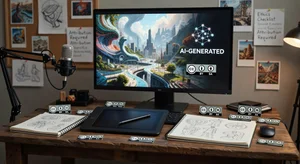
I posted an AI generated image last month without mentioning it was AI. Got called out in the comments. Hard.
The criticism wasn't about the image quality. It was about transparency. People felt misled. Like I was trying to pass off AI work as my own creative effort.
That hit me weird because I wasn't trying to deceive anyone. I just didn't think it mattered. But clearly it does matter to a lot of people.
So I dove into the ethics of this stuff. What's actually expected? What's fair to artists whose work trained these models? What's honest disclosure to audiences?
Here's what I learned about navigating this responsibly.
Why This Conversation Matters
AI image generation exists whether we like it or not. The tools work. People use them. That's reality.
But how we use them matters. The choices we make about attribution, disclosure, and respect for creative communities shapes whether this technology helps or hurts.
I've talked to traditional artists who feel threatened by AI. I get it. Years perfecting their craft, and now anyone can generate something visually similar in seconds.
I've also talked to people using AI as a creative tool, extending their capabilities in ways they couldn't before. That's valid too.
The ethics aren't black and white. But there are some principles most people agree on.
Disclosure: When and How
The basic question: do you need to disclose that an image is AI generated?
My take after seeing how people react: yes, basically always.
Not because AI generation is wrong. But because transparency builds trust and deception destroys it.
Different contexts call for different levels of disclosure.
Social media posts: mention it's AI generated somewhere in the caption or first comment. Doesn't need to be the focus, just needs to be clear.
Commercial use: definitely disclose. If you're selling something or using AI images in professional materials, people deserve to know what they're looking at.
Editorial or journalistic use: this one's critical. AI generated images in news or editorial contexts must be clearly labeled. The consequences of not disclosing here are serious.
Personal creative projects: even here, I'd suggest disclosure. It doesn't diminish the work. It just keeps things honest.
The format can be simple. "Created with AI" or "AI generated image" works fine. You don't need a whole paragraph explaining your process unless you want to.
Watermarking: The Practical Approach
Watermarks serve two purposes with AI images. Attribution and prevention of misuse.
Some people watermark their AI generated images to clearly mark them as AI created. Prevents confusion and accidental misattribution.
Others watermark to protect their specific prompt engineering or style development. Even if the base image is AI generated, the creative direction behind it has value.
My approach: light watermarks for social media. Small text or symbol indicating AI generation plus my account name. Not obtrusive but visible if someone looks.
For commercial work, more prominent watermarking if the image will be distributed. Protects against unauthorized use while maintaining disclosure.
The watermark itself should ideally indicate AI generation. Not just your name or brand. Something like "AI Art" or an AI symbol if you use one consistently.
This helps the broader space. As AI images spread, watermarking makes it easier for people to know what they're looking at.
Attribution: Who Deserves Credit?
This gets complicated fast.
If you use an AI image generator to create something, who made it? You who wrote the prompt? The AI company who built the tool? The artists whose work trained the model?
Legally this is still being figured out. Ethically, I think all three deserve some recognition.
My practice: credit the tool used. "Generated with (Tool Name)" gives context and points people toward the technology if they're interested.
Acknowledge it's AI. This implicitly recognizes the training data and model builders even if you don't list them specifically.
Take credit for creative direction if appropriate. If you spent hours crafting prompts and selecting results, that's creative work. Just be clear about what you did versus what the AI did.
Don't claim you created it from scratch. That's where lines get crossed. You directed it. The AI generated it. Both can be true.
The Training Data Question
Here's the uncomfortable part. AI models are trained on millions of images. Many from artists who never consented to their work being used this way.
This bothers a lot of people. Rightfully so.
I don't have a perfect answer. The technology exists and arguing about whether it should exist feels less productive than focusing on how to use it responsibly given that it does exist.
My approach: when possible, use AI generators that are transparent about their training data and ideally compensate artists or use ethically sourced datasets.
Support artists directly. If AI tools make your work easier or cheaper, redirect some of those savings to buying art, commissioning artists, or supporting creative communities.
Don't use AI to deliberately copy a specific artist's style in a way that undermines their livelihood. There's a difference between general AI generation and targeting someone's signature look to undercut them commercially.
The line isn't always clear, but intention matters. Are you using this tool to create something new or to replicate something that already exists cheaper?
Commercial Use Responsibilities
If you're using AI images commercially, extra care is warranted.
Verify the license and terms of service for your AI tool. Some prohibit commercial use or require attribution. Follow those terms.
If you're selling AI generated art, be completely transparent about it. Customers deserve to know what they're buying.
Don't pass off AI images as handmade or traditionally created. That's fraud, not just unethical.
Consider the impact on human creators in your space. If you're a graphic designer using AI to deliver client work faster, great. But don't undercut other designers unfairly by hiding the fact that AI does most of the work.
Compete on value and results, not by pretending AI assistance is human effort.
The Audience Perspective
Why do people care if images are AI generated?
Some care because they value human creativity and skill. They want to support artists, not algorithms.
Others care because context matters. An illustration in a children's book hits different if you know a person drew it versus AI generated it.
Some just want honesty. They don't necessarily mind AI images, but they mind being misled about what something is.
Respect these preferences. Not everyone needs to love AI art. But everyone deserves to know what they're looking at so they can make informed choices about how they engage with it.
Best Practices I Follow Now
After working through all this, here's my current approach.
Always disclose AI generation in some form. Caption, watermark, metadata, somewhere visible.
Credit the tool used. Simple attribution that gives context.
Be clear about my role. If I just hit generate, I say that. If I spent significant time on creative direction, I mention that too.
Don't try to pass AI work off as traditional art. Ever. In any context.
Support human artists in my field. Buy art. Commission work. Share and promote creators I respect.
Use AI as a tool for projects where it makes sense, not as a replacement for hiring artists when I have the budget to do so.
Stay informed about the evolving ethics and adjust as the consensus shifts. This stuff is moving fast. What's acceptable practice might change.
What About Copyright?
Quick note on legal issues since this comes up.
In many jurisdictions, AI generated images may not be copyrightable because they lack human authorship. Check the laws where you are.
This means you might not be able to prevent others from using AI images you generated. The copyright protection is uncertain or nonexistent.
That's another reason watermarking makes sense. Not for legal protection but for practical attribution.
Also be aware that using AI generation doesn't give you rights to any copyrighted elements that might appear in the output. If the AI generates something that looks like a specific copyrighted character, you can't use that commercially regardless of how the image was created.
The legal landscape is messy and unsettled. Consult actual lawyers for serious commercial use, not just blog posts like this.
The Future of This Discussion
Ethics around AI art are evolving as fast as the technology.
What's considered best practice today might shift as norms develop and communities figure out what they're comfortable with.
I expect we'll see more standardization. Maybe universal symbols or tags for AI generated content. Clearer licensing frameworks. Industry standards for disclosure.
We might see AI tools that automatically watermark or tag generated images. Built in attribution systems. Compensation mechanisms for training data artists.
Or we might see continued fragmentation and disagreement about what's appropriate.
Either way, being thoughtful about it now positions you well regardless of how things shake out.
My Bottom Line
Use AI image generation if it serves your needs. The technology is powerful and useful.
But use it transparently. Disclose what you're doing. Give appropriate credit. Don't mislead people.
Respect the creative community this technology draws from. Support artists. Don't undercut human creativity just because you can.
Think about the impact of your choices. Individual decisions about disclosure and attribution might seem small, but collectively they shape how this technology integrates into creative culture.
Be part of making that integration respectful and honest, not exploitative and deceptive.
That's how we get the benefits of AI tools while maintaining the integrity of creative work and relationships with audiences.