AI Meme Generator: Create Viral Memes in Seconds Without | Cliptics
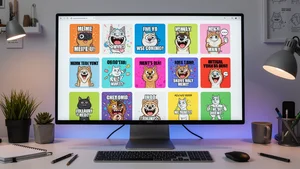
I spent way too long last week trying to make a meme in Photoshop. Cropping, layering, finding the right font, adjusting impact text spacing. Twenty minutes later I had something that looked like it was made in 2012. Meanwhile my friend texted me a meme he made in literally eight seconds using an AI tool, and it was funnier than anything I could have come up with.
That was my wake up call. The meme game has completely changed, and if you're still manually editing images to slap text on a Drake template, you're fighting a battle that nobody needs to fight anymore.
Why Traditional Meme Making Feels Painful Now
Here's the thing about memes. They have a shelf life measured in hours. Sometimes minutes. A trending format blows up on Twitter at 9 AM and by lunch it's already stale. That means speed matters more than polish.
But traditional tools weren't built for speed. Photoshop is a professional image editor. Canva is a design platform. Even MS Paint, the unofficial meme tool of the early internet, requires you to actually position text and resize things manually. None of these were designed for the specific, weird, beautiful chaos of meme creation.
That's where AI meme generators come in. These tools understand meme formats natively. You pick a template or describe what you want, the AI handles the layout, font sizing, and text placement. Some even suggest captions based on trending topics. It's not just faster. It's a completely different workflow.
What AI Meme Generators Actually Do
Let me break down what happens behind the scenes because it's genuinely fascinating.
Most AI meme generators combine a few technologies. First, there's template recognition. The tool knows what a "Distracted Boyfriend" or "Is This a Pigeon" format looks like and where the text should go. You don't have to measure anything or guess at positioning.
Second, there's natural language processing. You can describe your joke in plain English and the AI figures out how to split it across the top and bottom text. Some tools even rephrase your caption to make it punchier. I've had an AI take my mediocre setup and turn it into something that actually landed.
Third, and this is where things get really interesting, newer tools can generate entirely original meme images. Not just text on existing templates, but brand new visual scenarios based on your description. Want a cat in a business suit looking disappointed at a spreadsheet? The AI will create that from scratch.
Tools like Cliptics AI Image Generator take this even further. You can generate custom base images and then layer meme text on top, giving you something nobody has ever seen before. That originality is what separates memes that get shared from memes that get scrolled past.
The Formats That Actually Go Viral
I've been studying this because I genuinely wanted to understand what makes some memes spread while others die in obscurity. Turns out there are patterns.
Relatable struggle memes consistently perform well. The "me vs my bank account" format. The "expectation vs reality" split. Anything that makes someone think "that's literally me" triggers the share impulse. AI generators are perfect for these because you can crank out variations quickly and test which specific angle resonates.
Reaction memes have the longest lifespan. A good reaction image gets repurposed across thousands of conversations. The AI advantage here is speed of customization. When a new event happens, being the first person to pair it with the perfect reaction image means everything.
Surreal and absurdist memes are harder to predict but when they hit, they hit massive. This is where AI image generation shines because you can create bizarre, impossible scenarios that would take hours to composite manually. A medieval painting of someone checking their phone. A dog giving a TED talk. The weirder the better, and AI makes weird easy.
My Actual Workflow for Making Memes Fast
After testing probably fifteen different tools, here's what I actually settled on for making memes quickly.
For classic format memes, I use a dedicated meme generator that has all the popular templates built in. I type my caption, adjust if needed, and export. Total time: under thirty seconds. The AI text placement handles font scaling automatically so the text never looks cramped or awkwardly small.
For original content memes, I generate a custom image first, then add text. This takes a bit longer, maybe two to three minutes, but the results stand out because nobody else has that exact image. When you're posting in a group chat or a subreddit, originality gets noticed.
For animated memes, I'll sometimes run a funny clip through a GIF speed changer to get the timing just right. Speeding up a reaction GIF by 1.5x can make it significantly funnier. Slowing down a dramatic moment adds comedic weight. It's a small touch that makes a real difference.
Common Mistakes That Kill Your Meme
The number one mistake I see is too much text. A meme is not a paragraph. If your caption is longer than two lines, you've already lost most people. AI tools help here because they'll flag when text is getting cramped, which is basically the tool telling you to trim your words.
Second mistake: using dead formats unironically. If a template peaked three years ago and you're using it straight, it reads as out of touch. The exception is using old formats ironically or in unexpected ways, which actually works great and AI can help you mashup old templates with new contexts.
Third mistake: watermarks and low resolution. Nothing screams "I don't know what I'm doing" like a meme with three different watermarks from the tools you used to make it. Most AI meme generators let you export clean images without branding. Use that feature.
Where This Is All Heading
The meme landscape in 2026 is moving toward real time relevance. AI tools are getting better at understanding current events and suggesting timely formats. Some generators already pull trending topics and recommend angles before you even type anything.
Video memes are also growing fast. Short clips with AI generated captions and effects are becoming the dominant format on platforms like TikTok and Instagram Reels. The line between memes and short form content is basically gone at this point.
What hasn't changed is the fundamental rule: funny wins. No amount of AI polish can save a joke that doesn't land. The technology just removes the friction between having a funny idea and sharing it with the world. And honestly, that's all I ever wanted. To go from "that's hilarious" to "posted" in the time it takes to finish laughing.
The tools are here. The templates are endless. The only thing the AI can't do is be you. And that's the part that actually matters.