
"AI Pet Health: From Smart Collars to Veterinary Diagnostics | Cliptics"
My friend called me last week, panicking. Her dog had been acting weird for a few days. Less energy, eating slower, sleeping more. She took him to the vet and found out he had an early kidney issue. The vet caught it, thankfully. But what stuck with me was what she said afterward: "I wish I'd known sooner."
That conversation sent me down a rabbit hole. AI is quietly changing how we take care of our pets, and it goes way beyond cute selfie filters or automatic treat dispensers. We're talking about technology that can read your cat's facial expressions to detect pain, collars that monitor seven thousand data points a day, and algorithms that predict kidney disease two years before symptoms show up.
This stuff is real. It's happening right now. And some of it genuinely blew my mind.
Smart Collars That Actually Think
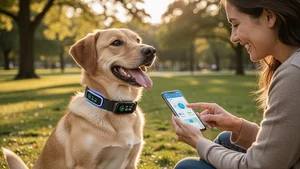
Let's start with the thing most pet owners will encounter first: smart collars. Not the old GPS trackers that just pinged a location. These are genuinely intelligent health monitors strapped around your pet's neck.
PetPace V3.0 might be the most impressive one out there right now. This collar tracks heart rate, respiration, temperature, activity levels, posture, and even pain indicators in real time. That's over 7,000 data points collected every single day. The really wild part? It's the first pet collar in the world to include epilepsy episode monitoring. For anyone with an epileptic dog, that alone could be life changing. The collar records seizure events and sends that data directly to your vet or neurologist for better treatment plans.
Then there's the Fi Series 3+, which took a different approach. Fi built its collar around behavioral AI. It picks up patterns in scratching, licking, drinking, eating, and barking. Over time, the AI learns what's normal for your specific dog and flags anything unusual. The battery lasts up to three months on a single charge, and it works with Apple Watch so you can check on your dog right from your wrist.
Whistle's Switch smart collar rounds out the top options by combining GPS tracking with sleep analysis, activity monitoring, and behavioral insights. The interchangeable battery design means you never have to take the collar off to recharge, which solves one of the most annoying problems with earlier smart collars.
Reading Your Cat's Face (No, Really)
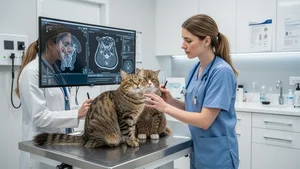
This one genuinely surprised me. A company called Sylvester.ai built a system that analyzes your cat's facial expressions to detect pain.
Think about that for a second. Cats are notoriously difficult to read. They hide pain as a survival instinct. By the time most cat owners realize something is wrong, the problem has often progressed significantly. Sylvester.ai addresses this by using AI to measure specific facial features: ear position, eye shape, muzzle tension, and whisker orientation. These are indicators that veterinary researchers have established correlate with feline pain states.
You snap a photo of your cat with your phone. The AI analyzes it and gives you a pain assessment along with a confidence score. It works with 89 percent precision, which is better than most humans can manage when trying to figure out if a cat is uncomfortable.
The numbers tell the story. Over 54,000 people use the platform, and it has assessed more than 350,000 cat photos. In early 2026, Sylvester.ai partnered with Animal Care Centers of NYC to bring this technology to shelter cats. That partnership matters because shelter environments are stressful, and identifying pain in cats awaiting adoption can directly improve welfare outcomes.
Sylvester.ai is transparent about its limitations. It's a support tool, not a diagnostic test. Flat faced breeds like Persians and long nosed breeds like Siamese may get less accurate readings. But as a first line of awareness for cat owners who might otherwise miss subtle pain signals? It fills a gap that genuinely needed filling.
Predicting Disease Before It Happens
Here's where things get really interesting. RenalTech, developed by Antech Diagnostics as part of Mars Petcare, uses machine learning trained on twenty years of veterinary data from 150,000 cats to predict chronic kidney disease up to two years before traditional diagnosis.
Two years. Let that sink in.
Chronic kidney disease is the number one cause of death in cats over five years old. Catching it two years early means vets can develop personalized care plans, potentially delay onset, and monitor progression long before a cat shows any symptoms. RenalTech analyzes six common measurements from routine blood and urine tests: creatinine, blood urea nitrogen, white blood cell count, urine specific gravity, urine protein, and urine pH, along with approximate age. The accuracy? Greater than 95 percent.
On the clinic operations side, ScribbleVet is changing how vets spend their time. It's an AI scribe that listens during patient exams and automatically generates SOAP notes. UC Davis adopted it in late 2025, and Instinct Science acquired the company in January 2026 to build what they're calling the first "veterinary clinical intelligence platform." Less time writing, more time actually caring for animals.
What This Actually Means for You and Your Pet
So where does all this leave the average pet owner in 2026?
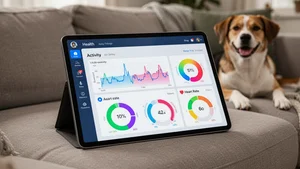
The honest answer is that we're at an inflection point. Smart collars have moved past the "expensive toy" phase into genuinely useful health monitoring. AI diagnostic tools are giving vets capabilities they didn't have five years ago. And predictive algorithms are catching diseases before they become emergencies.
But the most meaningful shift is subtler than any single product. It's the move from reactive to proactive pet care. Instead of waiting until your dog stops eating or your cat starts hiding under the bed, these tools create an early warning system. They notice the patterns you can't see. The slight change in heart rate variability. The barely perceptible shift in activity level. The facial tension your cat has been hiding from you for weeks.
That friend who called me about her dog? She just ordered a PetPace collar. She told me she never wants to feel that helpless again. I get it. When you love an animal that can't tell you what's wrong, knowing sooner isn't just convenient.
It changes everything.