
AI Photo Filters for Different Skin Tones: Inclusive | Cliptics
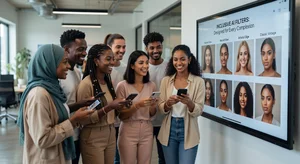
I'll never forget the moment a Black content creator showed me her Instagram grid. Beautiful poses. Professional lighting. Terrible filters. Every image had been "corrected" by AI filters that lightened her skin tone, altered her features, and essentially erased her identity in pursuit of some algorithmic beauty standard.
"I didn't even notice at first," she told me. "I just kept using filters that got engagement. Then someone commented asking why I looked so different in real life. That's when I realized these filters weren't enhancing my photos. they were changing who I am."
That conversation changed how I think about AI photo filters entirely. Technology that claims to "enhance" beauty often enforces narrow, exclusionary standards. Filters designed without considering diverse skin tones don't just fail technically. they perpetuate harm by suggesting certain skin tones need more "correction" than others.
After testing hundreds of AI filters across diverse subjects, I've learned to identify which filters actually work inclusively and which ones impose problematic beauty standards. Here's what every creator working with diverse audiences needs to know.
The Technical Problem With Most Filters
AI photo filters are trained on datasets. Those datasets shape everything about how the AI "sees" faces and makes enhancement decisions. When training data overrepresents lighter skin tones and underrepresents darker ones, the resulting AI makes predictable mistakes.
Overexposure compensation. Many filters are calibrated to prevent overexposure on lighter skin. Applied to darker skin, they often add unnecessary brightening that washes out natural skin tone. What's an appropriate adjustment for pale complexions becomes aggressive lightening for medium and dark skin.
Color balance assumptions. Filters that "warm" or "cool" images often assume a starting point based on lighter skin tones. The same warming filter that gives a sun-kissed glow to light skin can create an unnatural orange cast on brown skin. Cooling filters can introduce ashy, grayish tones on darker complexions.
Feature detection bias. Some AI filters detect facial features to apply targeted enhancements. When trained primarily on certain facial structures, they struggle with diverse features. wider noses, fuller lips, different eye shapes. The AI might fail to detect features correctly or apply inappropriate adjustments.
Texture handling. Skin texture appears differently across skin tones. Melanin-rich skin often has different reflective properties and natural sheen. Filters that aggressively smooth texture can obliterate the natural beauty of darker skin while attempting to achieve porcelain smoothness appropriate only for certain complexions.
The result isn't just technically flawed. it's culturally problematic. Filters that consistently lighten darker skin reinforce colorism. Tools that reshape features toward Eurocentric standards perpetuate beauty hierarchies. Technology marketed as "enhancement" becomes enforcement of narrow beauty norms.
Testing Filters for Inclusive Performance
I've developed a systematic approach for evaluating whether filters work equitably across skin tones:
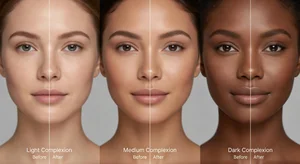
Test across the full spectrum. I use reference images spanning the full range of human skin tones. from very pale to very deep. Apply the filter to each. Does it produce natural-looking results across all tones, or does it clearly favor certain ranges?
Check for skin lightening. Compare filtered images to originals. If darker skin is consistently lightened while lighter skin stays similar or darkens slightly, the filter has problematic bias. Inclusive filters enhance without shifting skin tone toward lighter.
Evaluate feature preservation. Do broader noses maintain their shape? Are fuller lips preserved naturally? Are different eye shapes handled appropriately? Filters that "correct" features toward narrower standards aren't inclusive. they're discriminatory.
Assess texture handling. Does the filter maintain natural skin texture across all tones, or does it over-smooth some while preserving texture on others? Consistent texture treatment is a sign of inclusive design.
Review color balance. Do tones look natural after filtering, or do certain skin tones develop artificial color casts? Filters that work inclusively maintain authentic color relationships.
When I run these tests, the results are often disappointing. Many popular filters fail on multiple criteria. But some tools genuinely succeed at inclusive enhancement, and understanding the difference is crucial.
Filters That Actually Work Inclusively
Through extensive testing, I've identified characteristics of filters that perform well across diverse skin tones:
Training data transparency. Developers who explicitly discuss training on diverse datasets and testing across skin tones are more likely to have built inclusive tools. Look for filters that mention representation in their development process.
Adjustable intensity. Filters with intensity controls let users dial back problematic effects. If a filter slightly lightens darker skin at 100% intensity, reducing to 60-70% might preserve skin tone while keeping other beneficial adjustments.
Separate adjustment channels. The best inclusive filters separate different adjustments. brightness, contrast, saturation, warmth. allowing users to apply only beneficial effects. This prevents bundled adjustments where fixing one issue introduces another.
Skin tone detection. Advanced filters that detect skin tone and apply different processing accordingly can work well. but only if their detection is accurate across all tones and their adjustment approaches are equitably designed.
Professional tools from diverse creators. Filters and presets created by photographers who work with diverse subjects tend to perform better. They've tested on real-world diversity, not just dataset diversity.
For creators seeking inclusive filter options, tools like AI photo filters with adjustable parameters work better than one-click filters. AI makeup try-on tools designed with diversity in mind offer better results than generic beauty filters. AI headshot generators from inclusive platforms maintain authentic representation.
Creating Your Own Inclusive Filter Approach
Rather than relying entirely on pre-built filters, many creators develop custom approaches that work across their audience's diversity:
Start with excellent source material. Proper lighting during shooting matters more than any filter. Lighting that works for all skin tones. avoiding overexposure of light skin or underexposure of dark skin. gives you better starting material for any enhancement.
Use minimal adjustments. Heavy filtering amplifies bias. Light adjustments focused on specific goals (slightly boosting vibrancy, adding mild warmth, subtle contrast increase) are less likely to introduce problematic effects.
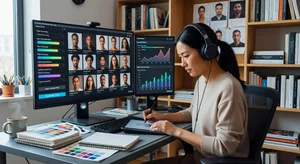
Test on your actual audience. Don't assume a filter works for everyone. Test it on representative samples of your diverse audience. If it fails on any skin tone, don't use it.
Customize per image. Batch applying the same filter to all images is convenient but often problematic. Adjusting filter intensity and parameters per image based on the subject's skin tone produces more equitable results.
Prioritize color accuracy. Accurate skin tone representation matters more than aesthetic styling. If a choice exists between a stylish filter that alters skin tone and a simpler approach that preserves it, choose authenticity.
Learn manual editing. Understanding how to adjust highlights, shadows, and midtones separately gives you control to enhance diverse skin tones appropriately. This knowledge helps you use AI filters more thoughtfully too.
Addressing Colorism in Filter Design
Colorism. discrimination favoring lighter skin within racial/ethnic groups. is often unconsciously embedded in filter design. Filters that consistently lighten skin reinforce colorism regardless of intent.
As a creator, you have responsibility here. Choosing filters that lighten darker skin sends a message about what you consider "improved" or "better." Your audience notices. The impact extends beyond individual images to broader cultural messaging about beauty standards.
I've talked with creators of color about their experiences with AI filters. Many described initial excitement about enhancement tools, then growing discomfort as they realized the filters were pushing them toward lighter, more Eurocentric appearance. Some stopped using filters entirely. Others began calling out problematic tools publicly.
The creators building successful inclusive brands are those who consciously reject filters that perpetuate colorism. They prioritize authentic representation over engagement-optimized but problematic aesthetics. This isn't just ethical. it's strategic. Audiences increasingly value and reward authentic representation.
Platform-Specific Challenges
Different platforms present different inclusive design challenges:
Instagram filters. Instagram's AR filters are created by diverse developers with varying understanding of inclusive design. Some work beautifully across all skin tones. Others are deeply problematic. The popular beauty filters especially tend toward lightening and feature alteration. Test before using, and skip filters that fail the test.
TikTok effects. TikTok's effects library has similar variability. The platform's younger audience is actually more attuned to inclusive representation issues, so using problematic filters risks backlash. Many TikTok creators now explicitly mention when they're using no filter or filters that don't alter skin tone.
Snapchat lenses. Snapchat has faced multiple controversies over lenses that lighten skin or alter ethnic features. The company has made efforts to improve, but vigilance remains necessary. The lenses that perform best inclusively tend to be simple overlays or lighting effects rather than aggressive "beauty" enhancements.
Photo editing apps. Apps like FaceTune, VSCO, and Lightroom offer more control than platform filters but require more expertise to use inclusively. The presets often have the same biases as automated filters, but the manual controls let you correct problematic effects.
Education and Awareness Building
Many creators use problematic filters unknowingly. They're not intentionally promoting colorism or exclusionary beauty standards. they simply haven't considered how filters affect diverse subjects differently.
Building awareness in creator communities helps. When you spot someone using filters that lighten skin or alter features problematically, thoughtful engagement can help:
"Have you noticed that filter lightens darker skin tones? There are other options that enhance without changing skin color."
"That effect is beautiful on lighter subjects but seems to struggle with diverse features. You might check out [alternative] instead."
Callout culture doesn't improve filter usage. it just makes creators defensive. Education and alternative suggestions work better for changing behavior.
Some creators are building educational content explicitly about inclusive filter use. Tutorials showing how to evaluate filters for bias. Comparisons demonstrating inclusive versus problematic options. Recommendations for filters that actually work across all skin tones.
This education matters because individual choices accumulate into cultural impact. When thousands of creators choose inclusive filters over biased ones, it sends market signals to developers and shifts cultural norms around acceptable enhancement.
The Representation Responsibility
If you're a creator with a diverse audience. or hoping to build one. your filter choices communicate values. Using filters that work equitably signals that you see and value all your followers. Using filters that fail certain skin tones signals the opposite, whether you intend it or not.
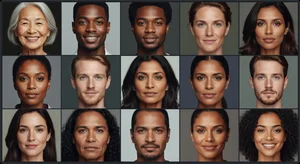
I've watched creators dramatically grow diverse audiences by simply being thoughtful about inclusive representation. It's not complicated or expensive. It's about testing filters on diverse subjects, choosing ones that work for everyone, and being willing to skip popular but problematic options.
The creators who get this right don't just avoid harm. they build trust and loyalty with audiences who feel genuinely seen and represented. In a digital landscape where many still get this wrong, doing it right is a significant competitive advantage.
Demanding Better From Developers
As users, we have power to push for better tools. When filters fail diverse skin tones, tell developers. Submit feedback. Request inclusive testing. Support developers who prioritize diverse representation. Choose products from companies demonstrating commitment to equitable AI.
Some developers are listening and improving. Others aren't. Vote with your usage, your money, and your voice. The market for AI filters is competitive. Companies that build inclusive tools deserve success over those perpetuating bias.
I've also seen success from creators collaborating with developers to test filters on diverse subjects before release. If you have expertise working with diverse populations, offer to help developers test. Many want to do better but lack access to diverse testing subjects.
Moving Beyond Enhancement Toward Authenticity
The deepest question isn't which filters work inclusively. it's whether we need heavy filtering at all. Much of the push for enhancement comes from unrealistic beauty standards that photography itself helped create and perpetuate.
A growing movement among diverse creators celebrates unfiltered beauty. Skin texture. Natural variations in tone. Features that don't conform to narrow standards. This authenticity resonates powerfully, especially with younger audiences tired of algorithmic perfectionism.
The most successful inclusive approach might be minimal filtering focused on technical improvements (lighting balance, color accuracy, clarity) rather than beauty enhancement. This respects diverse appearance as already beautiful rather than requiring "correction."
When you do use filters, choosing ones that enhance without imposing standards. that work equally well across all skin tones, that preserve authentic features, that celebrate diversity rather than homogenizing it. makes photography a tool for representation rather than erasure.
That's the standard worth aspiring to. Not just filters that technically work across skin tones, but filters that affirm the beauty of all skin tones equally. Technology that enhances without imposing. Tools that serve diverse creators rather than forcing them to conform.
We're not fully there yet. But by choosing thoughtfully, testing rigorously, demanding better from developers, and educating other creators, we move closer to truly inclusive visual technology that serves everyone's authentic representation.
That future is worth building, one filter choice at a time.