Free AI Voice Dubbing: Translate Your Videos into 20+ | Cliptics
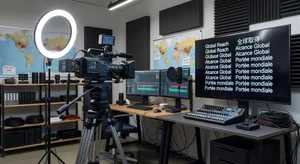
You've made a video that works. Your audience loves it. The engagement is there. But you're stuck reaching only people who speak your language.
I get it. You've probably thought about expanding internationally. Maybe you've even looked into professional dubbing services and saw quotes for thousands of dollars per video. Maybe you tried subtitles but noticed your watch time dropping because people don't want to read while watching.
That's the frustration, right? You know your content could resonate globally, but the cost and complexity of translation feels impossible.
Here's what changed. AI voice dubbing got really good. And I don't mean passable. I mean actually natural sounding. To the point where your videos can speak fluent Spanish, French, Japanese, or any of 20+ languages without you hiring voice actors or spending weeks in production.
Let me show you how this actually works and when it makes sense to use it.
Why Voice Dubbing Beats Subtitles
Before we get into the how, let's talk about why dubbing matters.
Subtitles seem like the obvious solution. They're cheaper, faster, and you keep your original audio. But here's the problem. When people read subtitles, they're not watching your video. They're reading text at the bottom of the screen.
For certain content types, that kills the experience. Product demos where visual details matter. Cooking tutorials where you need to see what's happening. Emotional storytelling where facial expressions carry the message.
Dubbing lets viewers actually watch your video the way you intended while hearing it in their native language. The experience stays immersive. The emotional connection remains intact.
And in 2026, with AI handling the heavy lifting, you don't need a Hollywood budget to make it happen.
How AI Voice Dubbing Actually Works
The technology behind this is pretty fascinating, but I'll keep it simple.
You upload your video. The AI does three things simultaneously.
First, it transcribes your original audio. Every word, every pause, every inflection. It builds a complete text transcript of what you said.
Second, it translates that transcript into your target language. Not just word for word translation, but contextually appropriate phrasing that sounds natural to native speakers.
Third, it generates new audio in the target language using AI voices that match your original tone, pacing, and emotion as closely as possible.
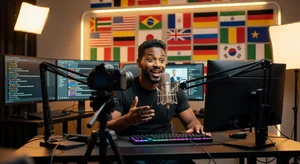
The whole process takes anywhere from a few minutes to about an hour depending on video length. Compare that to traditional dubbing where you'd need to hire translators, voice actors, sound engineers, and spend days coordinating everything.
The Use Cases Where This Really Shines
Not every video needs dubbing. Let me be real with you about where this makes sense.
Educational content is perfect for this. If you're teaching something, whether it's software tutorials, language lessons, or academic material, dubbing opens up your content to global learners. A text-to-speech approach might work for pure narration, but if you've got personality in your delivery, dubbed versions preserve that energy better.
Product marketing videos are another huge win. If you're trying to sell internationally, hearing your pitch in someone's native language builds trust in a way subtitles simply can't match. The conversion difference can be dramatic.
Brand storytelling works beautifully with dubbing. When you're trying to create an emotional connection, language barriers matter more than you'd think. Letting viewers hear your story in their own language deepens that connection significantly.
YouTube content for creators aiming to build international audiences makes total sense. You can upload the same video multiple times in different languages or use YouTube's multi-audio track feature to let viewers choose their language.
On the flip side, dubbing might not be worth it for super timely content like breaking news commentary or content where your specific voice and accent are part of your brand identity.
Step-by-Step: Dubbing Your First Video
Alright, let's actually do this. Here's how you take a video and turn it into a multilingual asset.
Step 1: Pick your source video
Start with something that performed well in your original language. If it resonated with your existing audience, there's a good chance the content itself has international appeal.
Make sure your video has clear audio. AI dubbing works best when the original speech is crisp and doesn't have a ton of background noise. If you've got music or sound effects, most tools can handle that, but cleaner source audio = better results.
Step 2: Choose your target languages
Think about where your potential international audience is. Check your YouTube analytics if you've got them. Look at where your website traffic comes from. Are there specific regions showing interest in your content?
Spanish, Portuguese, French, German, Japanese, and Korean tend to be high-value targets for most creators. But really, pick the languages that align with your growth goals.
Most AI voice dubbing tools support 20 to 50 languages now. Some even handle regional dialects.
Step 3: Generate the dubbed versions
Upload your video to your chosen AI dubbing platform. Select your target languages. Set any preferences around voice style if the tool offers options.
Then hit generate and wait. Like I said before, this usually takes a few minutes to an hour depending on length.
Step 4: Review and refine
Here's the part people skip that they shouldn't. Listen to your dubbed versions. Actually watch them.
Are there any awkward translations? Sometimes idioms or culturally specific references don't translate well. Most platforms let you edit the transcript before final generation, so you can adjust phrasing to make more sense in the target language.
Does the voice match the mood of your content? If you've got an energetic video but the dubbed version sounds flat, try regenerating with different voice settings.
Step 5: Publish strategically
You've got options here. You can upload separate videos for each language version. You can use platform features like YouTube's multi-audio tracks. You can create language-specific channels.
There's no one right answer. It depends on how you want to structure your content strategy and how your audience finds you.
What to Expect in Terms of Quality
I want to set realistic expectations here because I've seen people disappointed when they expect perfection.
AI voice dubbing in 2026 is impressively good. The voices sound natural. The pacing usually matches well. The translations are generally accurate.
But it's not flawless. You'll occasionally hear slight robotic qualities, especially with complex emotional delivery. Sometimes the lip sync looks off if viewers are watching closely. Humor and wordplay can get lost in translation.
For most use cases, though? The quality is more than good enough. Your viewers will understand your content, stay engaged, and appreciate that you made it available in their language.
And honestly, even with imperfections, it's wildly better than the alternative of not translating at all.
The Business Case
Let's talk numbers for a second because this matters.
Traditional professional dubbing costs somewhere between $100 to $300 per finished minute of video. So a 10-minute video could easily run you $2,000 to $3,000 per language.
AI dubbing costs anywhere from free to maybe $50 per video depending on the platform and features. Some tools charge by the minute, some by monthly subscription, some are completely free.
The ROI math gets pretty simple. If adding Spanish and Portuguese versions of your videos brings in even a handful of international customers or significantly grows your global audience, it pays for itself almost immediately.
For content creators building audiences, the value is less direct but still real. More languages means more potential viewers, which means more growth, which eventually means more monetization opportunities.
Common Mistakes to Avoid
I've watched people mess this up in predictable ways. Here's what not to do.
Don't blindly dub every single video you've ever made. Start with your best performing content. Test the waters. See what actually gets traction internationally before going all in.
Don't ignore cultural context. A video that works great in the US might need tweaks for other markets. Sometimes visual elements or references won't land the same way. Consider working with someone who understands your target market to review the dubbed version.
Don't skip the proofreading step. AI translation is good, but it's not perfect. Having a native speaker review your transcript before generating the final dub can save you from embarrassing mistakes.
And don't expect instant results. Building an international audience takes time just like building your original audience did. Dubbing removes the language barrier, but you still need to do the work of reaching people and creating content they care about.
Looking Ahead
The tech is only getting better. Voice cloning features now let you use your actual voice across languages, which is wild. Real-time dubbing for live streams is becoming a thing. The barriers keep dropping.
For content creators and marketers who've been ignoring international audiences because of language challenges, there's really no excuse anymore. The tools exist. They're accessible. They work.
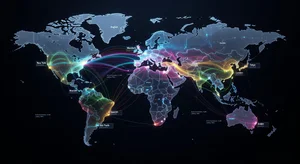
Your content has the potential to reach billions of people instead of hundreds of millions. That's not hyperbole. That's just what happens when you remove language as a limiting factor.
So maybe it's time to think bigger. Your next viewer might speak a language you don't. And now, that doesn't have to matter.