
AI Virtual Try-On: How Fashion Brands Use AI to Boost | Cliptics
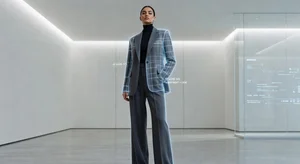
Returns are killing your margins. And it's not even close.
If you're running a fashion e-commerce business, you already know this pain. Someone orders three sizes of the same dress. Keeps one, returns two. You eat the shipping costs both ways. The returned items need processing, repackaging, restocking. Maybe they can't even be resold if there's any wear.
Industry average return rates for online fashion sit around 30 to 40 percent. Some categories are worse. Shoes can hit 50 percent. That's not a business. That's a logistics nightmare disguised as a business.
The core problem is simple. People can't tell if something will fit or look good on them from flat product photos. So they gamble. Order multiple options, return what doesn't work.
AI virtual try-on changes that equation. Customers can see how clothes actually look on their body before ordering. Not on a generic model. On them. Their proportions, their size, their look.
And the data from brands using this is remarkable. Let me show you what's actually happening and why this matters more than most marketing tech you're evaluating.
The Real Problem Virtual Try-On Solves
This isn't about gimmicks or cool technology for its own sake. This solves a fundamental friction point in online fashion sales.
When someone shops in a physical store, they try things on. They see how it fits their specific body. How the color looks against their skin tone. How the style works with their aesthetic. Then they decide.
Online, that entire experience disappears. You're asking people to make $50 to $200 decisions based on photos of someone else wearing the clothes. Then you act surprised when return rates are astronomical.
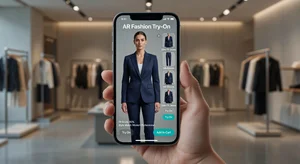
Virtual try-on brings back that crucial decision-making information. Customers upload a photo or use their webcam. The AI maps the clothing onto their image realistically. They see themselves wearing the item before they buy it.
Suddenly, the guess
work is gone. They know if that dress fits their shape. If those jeans work with their proportions. If that color flatters them.
How the Technology Actually Works
The AI behind this is doing some pretty sophisticated work in real-time.
First, it analyzes the customer's photo. Body shape detection, pose estimation, measurements inference. The AI builds a model of the person's physical proportions.
Then it takes the clothing item. The system understands the garment's structure, how fabric drapes, where seams fall, how different materials behave when worn.
Finally, it composites the clothing onto the person's image. Not just pasting it on flat. Actually simulating how that specific garment would look on that specific body. The wrinkles, the fit at shoulders and waist, the overall silhouette.
The result looks surprisingly realistic. Good enough that customers trust it for making purchase decisions. And that trust is what drives the business impact.
The Numbers That Actually Matter
Let me give you real data from brands that set up this.
One mid-size online fashion retailer added virtual try-on for their dress collection. Return rates for dresses dropped from 38% to 22%. That's a 42% reduction in returns.
Do the math on what that means. If they're doing $1 million monthly in dress sales, that's $160,000 less in return processing costs, restocking labor, and lost inventory value. Monthly.
Another brand focused on conversion impact. They found that customers who used virtual try-on converted at 3.4% versus 1.8% for those who didn't. Nearly double the conversion rate.
Average order value went up too. When people feel confident about fit, they're willing to buy more items and spend more per item. The uncertainty discount disappears.
And customer satisfaction scores improved. Fewer surprises when the package arrives means happier customers who are more likely to return for future purchases.
The ROI compounds. Lower returns, higher conversion, bigger orders, better retention. This isn't a marginal improvement. It's a fundamental shift in the economics of online fashion retail.
What Setup Actually Looks Like
If you're thinking this sounds complicated to set up, it's actually more accessible than you might expect.
Most virtual try-on solutions now run as plugins or integrations with major e-commerce platforms. Shopify, WooCommerce, Magento, all have compatible options. You're not rebuilding your entire site.
The setup process typically involves uploading your product catalog with specific image requirements. Front-view photos of each item, standardized lighting, clear garment details. Many brands already have these photos for their regular product pages.
Then you configure which products get the virtual try-on feature. Maybe you start with your best sellers or highest return rate items. Test the impact before rolling out site-wide.
Customer experience is straightforward. They click a "Try it on" button on the product page, upload a photo or take one with their camera, and immediately see the result. No app download, no complicated signup.
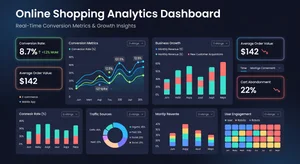
Backend analytics show you usage rates, conversion lift, and return rate changes. You can measure the exact business impact.
Where It Works Best
Not every fashion category benefits equally. Let me be specific about where this shines.
Dresses and tops are perfect for virtual try-on. Fit is highly personal. Customers care about how necklines, sleeve lengths, and body shapes interact. Seeing themselves in the item makes a huge difference.
Jeans and pants see massive return rate reductions. Length and waist fit drive most returns in this category. Virtual try-on helps customers nail sizing on the first order.
Outerwear benefits because layering and proportions matter. A coat that looks great on a tall slim model might overwhelm a shorter customer. Virtual try-on shows that reality.
Activewear works well too. Fit and coverage are crucial for workout clothes. Customers want to see how things will actually look during movement and activity.
On the other hand, accessories like jewelry and bags have less impact. The decision factors aren't as body-dependent. Standard product photography usually suffices.
Shoes are tricky. Current virtual try-on is better for apparel than footwear. The technology is improving, but it's not quite as reliable yet for shoes.
Common Setup Mistakes
I've seen brands mess this up in predictable ways. Here's what to avoid.
Poor product images: If your source photos aren't standardized and high quality, the virtual try-on results look off. Invest in consistent product photography first.
Hiding the feature: Some brands bury the try-on button in their UI. Make it prominent. If customers don't know it exists, they can't use it.
Not mobile-optimizing: Most fashion shopping happens on phones. If your virtual try-on doesn't work smoothly on mobile, you're missing the majority of potential users.
Ignoring size guidance: Virtual try-on shows how something looks, but you still need good size recommendations. Combine visual try-on with AI size prediction for best results.
Setting unrealistic expectations: The technology is good, but it's not perfect. Some customers will still need to return items. The goal is reducing returns significantly, not eliminating them entirely.
Beyond Just Return Reduction
The benefits extend past the obvious metrics.
Virtual try-on creates engagement. Customers spend more time on product pages trying different items. That increased time on site correlates with higher purchase likelihood even for items they don't virtually try on.
The technology generates first-party data. You learn about customer body types, size preferences, style inclinations. That data informs inventory decisions, design choices, and marketing targeting.
Social sharing potential is real. People post their virtual try-on results. "Check out how this looks on me" content drives organic reach and acts as authentic product promotion.
And there's a novelty factor that drives initial adoption. Early movers in a category get press coverage and customer curiosity just for offering the technology.
Cost Versus Value
Let's talk about what this actually costs and what you get for it.
Pricing models vary. Some providers charge monthly SaaS fees ranging from a few hundred to a few thousand dollars depending on catalog size and traffic. Others take a small percentage of attributed sales.
For a brand doing $500K to $1M monthly, typical costs might land around $1,000 to $3,000 per month. Sounds like a lot until you run the ROI math.
If you're processing $200K in returns monthly at a 40% return rate, and virtual try-on drops that to 25%, you've saved $75K in return costs. Monthly.
The payback period is often measured in weeks, not months or years. And that's just the return reduction benefit, not counting conversion lift and AOV improvements.
Integration with Other AI Tools
Virtual try-on works even better when combined with complementary technologies.
AI size recommendations tell customers which size to order. Virtual try-on shows them how it will look. Together, they address both the "will it fit" and "will it look good" questions.
AI-powered product recommendations can suggest items based on what customers virtually tried on. "You tried on this dress, here are similar styles you might like."
Automated image background removal and enhancement ensure your product photos work optimally with virtual try-on systems. Clean, consistent imagery produces better try-on results.
The tools reinforce each other. Building an AI-powered shopping experience rather than just adding isolated features creates multiplicative value.
Looking Ahead
The technology keeps improving at a pace that's honestly hard to keep up with.
Real-time video try-on is already emerging. Instead of uploading a static photo, customers use their live camera feed. They can move, turn, see how garments look from multiple angles.
Body measurement extraction is getting more accurate. The AI can provide specific measurements that help with future size selections across your entire catalog.
Multi-item try-on lets customers see complete outfit combinations. Try on a dress, shoes, and jacket together. See how pieces work as coordinated looks.
And personalization engines are starting to use try-on data to curate recommendations. "Based on items you've virtually tried, here's what we think you'll love."
For fashion brands, this isn't optional technology anymore. It's rapidly becoming table stakes. Your competitors are setting it up. Your customers expect it. The economics make it a no-brainer.
The brands winning in online fashion aren't just selling clothes. They're solving the fundamental problem of helping customers feel confident about what they're buying sight unseen. Virtual try-on is how you do that at scale in 2026.