AI Voice Cloning Technology 2026: High Fidelity in 15 | Cliptics
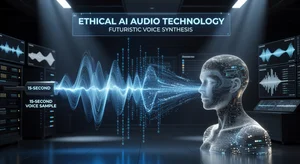
A decade ago, creating a convincing synthetic version of someone's voice required hours of recording, complex acoustic modeling, and the result was still obviously artificial to most listeners. Today, some systems can generate a high-quality voice clone from 15 seconds of source audio.
The technology has crossed a threshold. Voice cloning is no longer a research curiosity or a niche tool for audio engineers. It is a commercially available capability with applications ranging from obviously beneficial to deeply concerning.
Understanding this technology clearly, separating legitimate use from misuse, and knowing what the legal landscape looks like in 2026 is increasingly relevant for anyone working in content creation, audio production, or technology development.
How 15-Second Voice Cloning Works
Modern voice cloning uses a combination of techniques from the broader field of deep learning audio synthesis.
The process begins with speaker embedding: extracting a numerical representation of a voice from a short audio sample. This embedding captures the distinctive acoustic characteristics of the voice: vocal tract geometry, resonance patterns, speaking rhythm, intonation tendencies, and acoustic qualities.
A generative model (typically a neural network) then uses this embedding to condition its output when synthesizing new speech. When you type text to synthesize, the model generates audio that matches both the phonemes of the spoken text and the acoustic characteristics captured in the speaker embedding.
The advance that brought this down to 15 seconds (from the hours required just a few years ago) is primarily in the quality and efficiency of the embedding process. Newer architectures extract high-fidelity embeddings from far less input audio while capturing more acoustic detail.
Fish Audio's technology, mentioned in some discussions of this technology, along with systems from ElevenLabs, Coqui, and several research institutions, have all pushed this threshold lower while improving output quality.
Legitimate Applications: Where Voice Cloning Creates Real Value
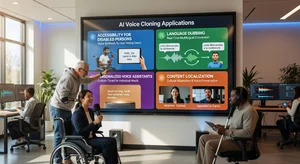
Content localization and translation: A creator who produces content in English can now use their own voice clone to dub their content into Spanish, French, or Japanese without hiring a voice actor. The localized version sounds like the creator, maintaining their brand voice and audience relationship across languages.
Accessibility for communication disorders: Individuals with conditions affecting their ability to speak, including ALS, Parkinson's disease, strokes, and other conditions, can bank their voice before significant degradation occurs. A voice clone preserves their natural voice for future communication through assistive technology.
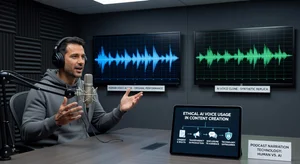
Efficient re-recording and corrections: Podcast producers and video creators know the frustration of needing to re-record sections due to errors, updated information, or quality issues. With a voice clone, corrections can be generated digitally rather than requiring a full re-recording session.
Scale and consistency in narration: An author who narrates their own audiobook can use a voice clone to produce future narrations without booking studio time. Training content, e-learning courses, and documentary narration become more efficient to produce.
Cliptics Text-to-Speech provides access to high-quality AI voice synthesis for content creation purposes.
Posthumous voice preservation: Families of individuals who have passed away can preserve their loved one's voice for future generations, provided recordings of sufficient quality exist.
Dynamic ad personalization: Marketing applications where personalized audio messages can be generated at scale using a consistent brand voice, adapting specific details (recipient name, local store information) while maintaining consistent vocal identity.
The Misuse Problem and Why It Is Serious
Voice cloning technology creates the capability for audio deepfakes, and that capability is already being misused at scale.
Phone scams using voice clones of family members asking for emergency financial help have been reported across the US and Europe. Business email compromise attacks now sometimes include AI voice calls impersonating executives authorizing wire transfers. Political misinformation using cloned voices of politicians has been produced and distributed.
The harm potential is real and significant enough that the technology requires serious ethical and legal treatment.
The Legal Framework in 2026
Multiple regulatory frameworks now apply to voice cloning.
US Right of Publicity laws: Most US states have right of publicity laws that protect individuals' voices (and other identity characteristics) from unauthorized commercial use. Creating a voice clone of someone without their consent for commercial purposes typically violates these laws.
No AI Fraud Act (US): Federal legislation passed in 2024 makes it illegal to use AI-generated audio or video of a person without their consent to facilitate fraud. Penalties include civil liability and, for fraudulent financial purposes, criminal charges.
EU AI Act: Voice cloning systems capable of creating synthetic representations of real persons are regulated under the EU AI Act's transparency requirements. Systems generating synthetic audio of identifiable persons must be disclosed as AI-generated.
Platform policies: YouTube, TikTok, Spotify, and other major distribution platforms have set up policies requiring disclosure of AI-generated content, including voice content. Violations can result in content removal, channel strikes, or account termination.
The legal principle that applies across these frameworks: voice cloning requires explicit consent from the person whose voice is being cloned. For your own voice, you have that consent. For anyone else's voice, you need to obtain it explicitly and in writing for commercial applications.
Consent Frameworks for Ethical Voice Cloning
Professional voice actors working with AI platforms like ElevenLabs operate under formal consent agreements. These agreements specify: what the voice will be used for, how long the license is valid, what compensation is provided, and how the voice clone will be stored and eventually deleted.
For creators building tools or content that involve others' voices, similar frameworks should apply:
Informed consent: The person whose voice is being cloned must understand specifically what the clone will be used for, who will have access to it, and how long it will be retained.
Revocability: Consent to voice cloning should be revocable, with a clear process for requesting deletion of the voice model.
Purpose limitation: A voice clone consented to for podcast narration should not be repurposed for advertising without separate consent.
No deception: Voice clones should not be used to create content that misrepresents the original person's views or that impersonates them in contexts that could deceive listeners.
Detection and Authentication
As voice cloning quality has improved, so have detection capabilities. Several organizations are developing voice authentication systems that can distinguish between authentic human voice recordings and synthetic audio.
These systems typically analyze spectral artifacts that appear in AI-generated audio but not in natural speech, though the detection accuracy varies significantly across different synthesis methods and depends heavily on the quality of available reference audio.
Provenance standards, particularly the C2PA technical standard, provide a complementary approach: rather than detecting whether audio is fake, they verify whether audio is authentic by attaching cryptographic provenance information at the point of creation.
For content creators publishing voice content, setting up content provenance practices now positions you ahead of what will likely become a required disclosure standard.
Getting Started Ethically
For content creators who want to explore voice cloning for legitimate purposes:
Start with your own voice. This is the most ethically straightforward application and the most practically immediate benefit for content creators.
Use established platforms with clear terms of service that specify data handling, voice model storage, and usage restrictions.
Disclose AI voice synthesis in your content where it is material. Audiences who know what they are listening to can engage with content appropriately. Audiences who discover after the fact that they were misled about voice authenticity respond poorly.
Avoid cloning anyone else's voice without explicit written consent and a clear understanding of the intended use.
The technology is powerful, the legitimate applications are genuinely valuable, and the ethical path through this landscape is navigable. Treat voice cloning with the same seriousness you would treat any other powerful tool where misuse causes real harm, and use it for the creative and accessibility applications where it creates genuine value.
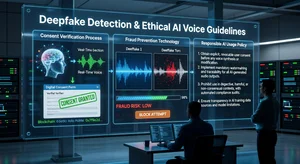
The 15-second clone capability means the technical barrier to entry is essentially zero. The meaningful barriers are ethical, legal, and reputational. For creators and developers who respect those barriers, the creative possibilities are genuinely exciting.