
AI Voice Selection: Matching Voice to Brand | Cliptics

Voice shapes brand perception in ways most people don't consciously notice but definitely feel.
I've helped several brands select AI voices for their audio content, and the difference between getting it right and getting it wrong is significant. The voice either reinforces your brand identity or undermines it subtly with every word.
It's not about finding the "best" voice. It's about finding the voice that matches what your brand represents.
Why Voice Matters
Think about brands you recognize by voice alone. Movie trailers. Fast food drive-throughs. GPS navigation.
Voice communicates personality before words do. Warm or professional. Young or experienced. Friendly or authoritative. Energetic or calm.
Your brand already has a personality. The voice needs to match that personality or you create cognitive dissonance that weakens brand cohesion.
When voice and brand align, everything feels intentional. When they don't match, something feels off even if people can't articulate why.
Voice Characteristics to Consider
Pitch affects perceived authority and approachability. Lower voices often read as more authoritative. Higher voices can feel friendlier but less authoritative.
Pace communicates energy and urgency. Fast-talking voices suggest energy and excitement. Slower pace implies thoughtfulness and calm.
Accent and regional qualities matter for local vs global brands. Neutral accents work for broad appeal. Regional accents create local connection but can limit broader appeal.
Gender associations come with baggage. Pick voice gender deliberately for your brand but avoid falling into stereotypes. Professional doesn't mean male. Nurturing doesn't mean female.
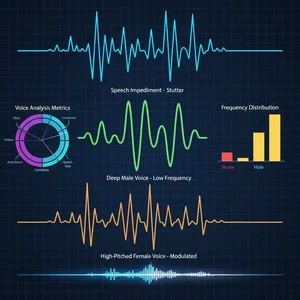
Tone and warmth separate friendly brands from distant ones. Some voices naturally sound warmer. Others sound more professional and neutral.
Matching Brand to Voice
Luxury brands typically need voices that sound refined, measured, sophisticated. Not overly enthusiastic. Controlled energy. Subtle confidence.
Tech brands often work best with clear, modern voices. Not trying too hard to be cool. Just competent and forward-thinking.
Health and wellness brands benefit from warm, reassuring voices. Calm without being boring. Trustworthy without being clinical.
Finance and professional services usually need authoritative, trustworthy voices. Competent. Measured. No gimmicks.
Consumer and lifestyle brands can go warmer and more personable. Friendly. Approachable. Like talking to someone you actually enjoy.
There's no formula. Your specific brand personality determines what works.
Testing Methodology
Don't pick a voice based on 10 seconds of sample audio. Test with actual brand content.
Generate the same script in multiple voices. Listen to full passages, not just snippets. How does it feel over time?
Test with different content types. A voice that works for short social media might not work for long-form content.
Get input from people who represent your target audience. What you like doesn't matter as much as what resonates with who you're trying to reach.
Live with the voice for a few days before committing. First impressions change. Make sure the voice doesn't get grating or feel wrong after multiple exposures.
Multi-Voice Strategy
Some brands benefit from multiple voices for different purposes.
One voice for customer service. Different voice for marketing. Another for educational content.
This works if voices stay within the same general brand aesthetic. Too much variety fragments identity.
Multi-speaker text to speech lets you create dialogue or conversational content with multiple brand voices. Useful for certain content formats.
But for most brands, consistency with a single primary voice builds stronger association.
What to Avoid
Voices that sound like they're trying too hard. Overly enthusiastic. Forced friendliness. Anything that feels inauthentic triggers skepticism.
Voices that don't match your written content tone. If your brand voice is warm and conversational in text but your audio sounds corporate and stiff, that's a disconnect.
Trendy voice characteristics that might date quickly. What sounds current now might sound dated in two years.
Voices that create accessibility problems. Too fast, unclear pronunciation, or difficult-to-understand accents limit your audience unnecessarily.
Regional and Cultural Considerations
Global brands need to think about how voice characteristics translate across markets.
An authoritative male voice might work in some markets but feel too aggressive in others. A friendly, energetic voice might read as unprofessional in cultures that value formality.
If you operate in multiple regions, test voice selection with representatives from those markets before committing globally.
Accessibility and Inclusivity
Voice selection is an accessibility choice. Some audiences have hearing difficulties, processing challenges, or other needs that make certain voice types easier to understand.
Clear articulation matters more than any aesthetic quality. If people struggle to understand the voice, everything else is irrelevant.
Consider having multiple voice options if your platform allows it. Let users choose what works best for them.
Evolution and Consistency
Your brand will evolve. The voice should be flexible enough to grow with you without requiring complete replacement.
But once you establish a voice, changing it disrupts recognition. Like changing your logo, it resets some brand equity.
Only change voices if your brand positioning fundamentally shifts. Minor brand evolution shouldn't require voice replacement.
Setup Across Channels
Use your selected voice consistently. Text to speech tools for website audio, video narration, phone systems, chatbots.
That consistency builds recognition faster than you'd expect. People start associating that voice with your brand.
Inconsistent voices across touchpoints fragment your audio identity. Pick one and commit across all channels.
Measuring Impact
Track how voice selection affects engagement metrics. Do people listen longer? Do they respond better to calls to action?
Test variations if you're uncertain. A/B test different voices with real content and measure response.
Listen to customer feedback. If people consistently comment on the voice positively or negatively, that's data.
Technical Quality Matters
Even the perfect voice for your brand needs clean audio quality. No artifacts, glitches, or processing issues that undermine professionalism.
Test the AI voice generation tool's output quality before committing. Some platforms produce cleaner audio than others.
AI text to speech tools vary in quality. Premium tools generally produce better results than free options for brand-critical audio.
The Strategic Reality
Most brands don't think about voice selection strategically. They pick whatever sounds "good" without considering brand alignment.
That's a missed opportunity. Voice is part of your brand identity whether you treat it intentionally or not.
Taking time to match voice characteristics to brand personality creates cohesion that strengthens brand recognition and trust.
It's not about finding the objectively best voice. It's about finding your brand's voice and using it consistently.
That intentionality pays off in brand strength over time. Small advantage that compounds with every audio touchpoint.
Worth getting right.