
AI Voice vs Professional Voice Actors: When to Use Each | Cliptics
This debate has gotten a lot more interesting in the past couple of years. AI voice quality has improved significantly, and the gap between the best TTS output and a good human voice actor has narrowed. But narrowed doesn't mean closed. The right answer depends on what you're making, who you're making it for, and what you can afford to spend.
I've watched video producers wrestle with this choice dozens of times, and the thinking that leads to the best decisions isn't about which option is objectively better. It's about matching the tool to the specific requirement. Here's how to think through it.
Where AI Voice Clearly Wins
High-volume content production. If you're producing educational videos, explainers, internal training modules, or a high-frequency YouTube channel, the math on professional voice acting doesn't work. A professional voice actor on a reasonable budget might cost $200 to $500 per project. At 20 videos per month, that's $4,000 to $10,000 monthly just on voice. Cliptics text to speech and similar tools cost a fraction of that and can generate audio in minutes.
Content that needs frequent updates. Product demo videos, tutorial content for software that updates regularly, FAQ videos, all of these need re-recording when the content changes. With AI voice, you update the script and regenerate. With a human actor, you re-book, re-record, and pay again.
Multilingual content. Hiring professional voice actors in five or six languages is expensive and logistically complex. AI voice tools handle multiple languages and accents, making multilingual content genuinely accessible for smaller budgets. Cliptics TTS and similar platforms support dozens of languages with natural-sounding regional voices.
Fast turnaround projects. A professional voice actor has scheduling constraints. A client deadline with 24-hour turnaround often can't accommodate booking, recording, and delivery. AI voice generates instantly.
Internal and instructional content. Training videos for employees, internal documentation with voiceover, onboarding content, compliance training, all of these can use AI voice effectively. The audience expectations for internal content are different from consumer-facing media.
Where Professional Voice Actors Clearly Win
Brand-defining content. A TV commercial, a brand video that represents your company, a high-profile product launch film. These are the pieces where the voice becomes part of the brand identity. Human voice carries nuance that AI still doesn't replicate. The subtle warmth, the specific emotional texture that a skilled actor brings to delivery, shapes how the audience feels about the brand.
Character-driven content. Animation, games, audiobooks with multiple characters, interactive content. These require performance, character development, and emotional range that AI voice simply can't match. A professional voice actor makes Villain sound villainous and Hero sound heroic. TTS makes them sound like two different voice settings.
Emotional content that needs authenticity. Testimonials, documentary narration, anything where genuine emotion is the point. Audiences have become fairly good at detecting the flatness in AI voice on emotionally charged content. When something is supposed to make you feel something, human voice lands differently.
Regulatory and legal contexts. Some broadcast and industry contexts have specific requirements for human-performed voice. High-stakes pharmaceutical, legal, and financial advertising in particular tends to require certified human talent under specific regulations.
Celebrity or recognizable voice branding. Some brands have built their audio identity around a specific voice. That's not replaceable with AI without losing the brand asset.
The Middle Ground: AI as Production Assistant
Here's where a lot of video producers end up landing: AI voice for the majority of production, human voice actors for the most important pieces.
Use Cliptics multi-speaker TTS for explainer content, tutorials, social clips, and high-volume production. Reserve professional voice talent for the flagship brand video, the product launch campaign, and the hero content pieces where quality justly justifies the investment.
Another useful middle approach is using AI voice for script development even when the final product will use a human actor. Generate a TTS version of the script to hear how it flows, identify awkward phrasing, test timing, and make revisions before going into a paid recording session. This reduces studio time (and cost) significantly.
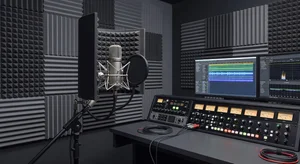
The text to audio tool on Cliptics handles this script testing workflow well. Generate quickly, listen, revise, repeat until the script flows naturally. Then hand the polished script to your voice actor.
The Quality Comparison Honestly
Current AI voice from top-tier tools is good. In blind tests with casual listeners, some studies have found detection rates are well below 50% for high-quality AI voice. For many production contexts, it is genuinely indistinguishable to non-critical ears.
But there are specific tells that experienced audio professionals still catch. Consistent prosody patterns across sentences that would vary more in human speech. Slightly imperfect handling of sentence-final rises and falls. Occasional mispronunciation of uncommon words or names. Lack of the very subtle breath and timing variations that make human speech feel alive.
For most digital content where audiences are consuming quickly on a phone, these subtleties don't register. For broadcast content, cinema, or content where audio is a primary focus rather than a complement to visuals, they still matter.
Making the Decision
Here's the question framework that cuts through the rest of the analysis:
Who is watching or listening, and what are their expectations? A B2B software tutorial viewer expects clear narration. A luxury car advertisement viewer has different expectations about production quality.
How often does this content need to change? Evergreen content that runs unchanged for years justifies a higher investment per piece. Content that updates monthly or quarterly needs a cost-effective production model.
What's the direct revenue or brand value of this piece? A hero brand video has asymmetric value. A product explainer for a mid-catalog item has different math.
Answer those three questions and the right choice usually becomes clear. Both AI voice and professional voice acting are tools. The best video producers in 2026 know how to use both strategically rather than defaulting to one or the other.