
Car Photography: Showroom vs Lifestyle Backgrounds | Cliptics
Selling cars online means photography matters. A lot. And the background choice changes everything about how buyers perceive that vehicle.
I've shot cars both ways. Clinical showroom style with perfect white backgrounds. Lifestyle approach with scenic locations. They serve completely different purposes and speak to different buyer psychology.
Let's break down when to use each and what actually works in automotive marketing.
Showroom Style
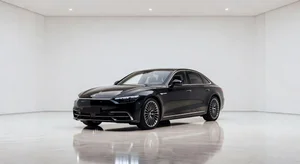
Clean, white or neutral background. Just the car. Nothing else competing for attention.
This approach puts total focus on the vehicle itself. Buyers see every line, every detail, every angle without distraction. It's product photography applied to automobiles.
Background removers make showroom style accessible even if you don't have an actual studio. Shoot the car anywhere, remove the background, replace with clean white or gradient. Instant professional showroom look.
The sterile presentation works for specific situations.
Online listings benefit from this approach. When buyers scroll through dozens of vehicles, clean product shots stand out. They load fast, communicate clearly, show exactly what's for sale without extras.
Detailed inspection photos need this treatment. Buyers examining specific features, checking condition, comparing specs. Distraction-free backgrounds let them focus on what matters.
Inventory documentation uses showroom style for consistency. Same background across your entire lot makes comparison easier and looks professional.
But showroom style has limitations. It's factual, not aspirational. It shows the product but doesn't sell the lifestyle. That's where the other approach comes in.
Lifestyle Backgrounds
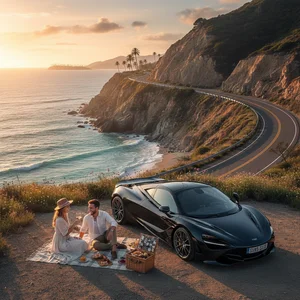
Real environments. Scenic drives. Urban settings. Mountain roads. Beach parking. Anywhere that suggests how this car fits into an actual life.
Lifestyle photography sells the experience, not just the vehicle. It triggers emotional responses that clinical product shots can't touch.
Luxury cars almost demand lifestyle treatment. Nobody buys a sports car just for transportation. They're buying status, excitement, freedom. Show them that. Mountain roads with dramatic lighting. Modern architecture. Aspirational settings that match the vehicle's positioning.
Family vehicles work well with relatable lifestyle shots. Soccer fields. Suburban driveways. Road trips. Scenes that help buyers imagine their life with this car.
Trucks and off-road vehicles absolutely need environment context. Show them doing what they're designed for. Dirt roads, construction sites, outdoor adventures. The capability matters, and you can't demonstrate that on a white background.
Image Quality Considerations
Showroom shots are more forgiving technically. Controlled lighting. No weather variables. Consistent results every time.
Lifestyle shots require more skill. Natural light changes. Environmental conditions vary. You're solving real-world photography challenges.
But here's the thing: slight imperfection in lifestyle shots often helps. That authentic, real-world feel connects better than overly polished perfection sometimes.
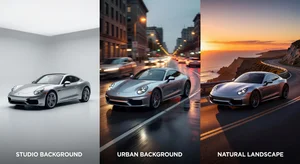
Car background changers let you have it both ways. Shoot clean product angles, then generate lifestyle backgrounds digitally. Not ideal for hero marketing images, but useful for filling out listings quickly.
When Each Approach Wins
Use showroom style for: Used car listings where buyers want to inspect condition. Detailed spec sheets. Inventory management. Price-focused marketing. Online marketplaces where clean product shots perform better.
Use lifestyle style for: New car marketing where emotion matters. Premium vehicles where aspiration sells. Campaign imagery. Social media content. Brand building over direct sales.
Hybrid approach works too. Lead with lifestyle hero shot to capture attention. Follow with showroom detail shots for inspection. Best of both worlds.
Color and Lighting
Showroom photography demands perfect color accuracy. Buyers need to see exact paint color. Lighting must be even and neutral. No creative license here.
Lifestyle photography allows creative color grading. Golden hour warmth. Cool blue hour atmosphere. Whatever enhances the emotional impact while keeping the vehicle recognizable.
That creative freedom makes lifestyle shots more engaging but showroom shots more trustworthy for actual purchasing decisions.
Buyer Journey Considerations
Early awareness stage responds well to lifestyle imagery. Buyers aren't focused on specs yet. They're dreaming. Show them the dream.
Consideration stage needs both. Lifestyle shots maintain interest. Showroom shots provide facts for comparison.
Decision stage relies heavily on showroom detail shots. Buyers want to inspect, compare, verify condition. Clinical clarity wins here.
Match your photography approach to where buyers are in their journey.
Cost and Efficiency
Showroom photography scales better. Set up once, shoot consistently. Faster turnaround for inventory. Lower production cost per vehicle.
Lifestyle photography costs more in time and effort. Location scouting. Weather dependency. Travel. But the marketing impact can justify the investment for premium inventory.
Budget appropriately based on vehicle value and target market.
Platform Specific
Online marketplaces favor showroom style. Clean, consistent, detail-focused. These platforms are about comparison shopping, not storytelling.
Social media favors lifestyle. Eye-catching, emotional, shareable. Nobody shares a white-background car photo, but they'll share an amazing sunset shot with the right vehicle.
Dealer websites should use both. Lifestyle for homepage and featured vehicles. Showroom for full inventory browsing.
Making the Choice
Consider three factors: vehicle type, target buyer, and usage context.
High-value, emotional-purchase vehicles lean lifestyle. Economy and practical vehicles lean showroom. Premium used cars can go either way depending on positioning.
Aspirational buyers respond to lifestyle. Practical buyers prefer showroom. Know your audience.
Quick inventory turnover needs showroom efficiency. Brand building and premium marketing justify lifestyle investment.
There's no universal right answer. The best approach serves your specific marketing goals for each specific vehicle.
But understanding the psychological and practical differences lets you choose deliberately instead of just defaulting to whatever's easiest.
And in automotive marketing, that intentionality often makes the difference between cars that sit and cars that sell.