Character Consistency in AI Art: Creating Series Without | Cliptics
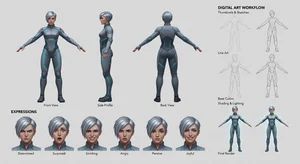
I tried to create a character series with AI last year. Five images of the same character in different scenes.
First image came out great. Perfect. Exactly what I wanted.
Second image? Different person entirely. Same prompt. Completely different face, different proportions, different everything.
That's the character consistency problem with AI art. Every generation is random. Getting the same character twice feels impossible.
Except it's not impossible. I figured out how to do it. Not perfectly, but well enough that viewers recognize it's the same character across images.
Let me show you what actually works.
Why Consistency Is So Hard
AI image generators don't have memory. Each generation is independent.
When you describe "a young woman with red hair and green eyes" twice, the AI interprets that fresh each time. Red hair could be auburn or bright crimson. Green eyes could be emerald or pale sage. Young could be 20 or 35.
Even with identical prompts, the random seed changes. You get variation every single time.
For single images, that's fine. For character series, comics, visual storytelling, anything requiring the same character appearing multiple times? It's a nightmare.
Traditional solution is training a custom model on your character. Feed it dozens of images of the character so it learns that specific look. But that requires technical knowledge, time, computational resources, and often money.
Most visual artists just want to create, not become machine learning engineers.
So I looked for practical approaches that don't require model training.
The Detailed Description Method
First technique: extremely detailed character descriptions.
Not "woman with brown hair." Try "woman with shoulder length wavy brown hair with natural auburn highlights, oval face shape, high cheekbones, straight nose with slight upturn, hazel eyes with gold flecks, fair skin with warm undertones, athletic build, 5 foot 7 inches tall, age 28."
The more specific you are, the less room for variation between generations.
I keep a character bible document. Full physical description. Personality traits that influence expression and posture. Typical clothing style. Any distinctive features like scars, tattoos, accessories.
Every time I generate that character, I reference that exact description. Copy paste into my prompt with the scene specific details added.
This doesn't create perfect consistency. But it gets you 70 to 80 percent there. Same general look even if minor details vary.
For some projects, that's good enough. Especially if the character appears in varied contexts where perfect matching isn't critical.
The Reference Image Technique
Better approach: use the AI image editor with your best character image as reference.
Generate your character once. Get it exactly right. That becomes your master reference.
For subsequent images, use image to image generation starting from that reference. The AI maintains core features while adapting to your new scene description.
Not perfect replication. But way more consistent than generating from scratch each time.
I've created 10 image series this way where the character is recognizably the same person across all images. Minor variations in exact facial proportions, but clearly the same character.
The key is always working from the same master reference or from previous images in the series. Chain them together rather than generating independently.
The Seed Number Hack
Some generators let you control the random seed. Same prompt with same seed produces identical results.
I use this for small variations. Need the same character but smiling instead of neutral? Same seed, adjust the expression description slightly.
Need the same character from a different angle? Same seed, change the camera angle description.
This works for creating variations while maintaining consistency. Not perfect for completely different scenes, but powerful for the right use cases.
Track your seeds. When you get a good character generation, note that seed number. You can return to it later for consistency.
The Multi Image Generation Strategy
Generate multiple variations in one session. Pick the best, use that as your series foundation.
Most AI tools let you generate 4 to 8 variations at once from the same prompt. Instead of accepting the first result, review all variations and pick the one that best matches your vision.
That image becomes your character's canonical look. All future generations try to match that specific result using the reference image technique.
This front loads the work but improves overall consistency because you're choosing the best possible starting point rather than just accepting whatever came first.
Editing for Consistency
Sometimes I get 90 percent there but one detail is off. The face matches but the hair color shifted slightly. The expression is right but the eye color changed.
That's where basic editing comes in. I'm not talking about extensive Photoshop work. Just color correction to match previous images.
Sample the hair color from your reference image. Apply it to the new one. Same with eye color, skin tone, any element that drifted.
This doesn't fix major structural differences. But it handles the small inconsistencies that would otherwise break the illusion of the same character.
I keep color values documented. Exact hex codes for hair, eyes, skin, clothing. Makes matching way faster when I need to correct variations.
The Clothing and Accessories Anchor
Characters are more than just faces. Consistent clothing and accessories help a lot with recognition.
Give your character a signature look. Specific jacket. Distinctive jewelry. Recognizable hairstyle with unique elements.
Even if the face varies slightly between generations, the signature elements make it clear it's the same character.
Think about iconic characters in media. Batman has the cowl. Harry Potter has the glasses and scar. These visual anchors work even if the actor or artist changes.
Apply that principle to your AI generated characters. Build in distinctive visual elements that appear consistently even when facial details shift slightly.
Working With Series Limitations
Be realistic about what's achievable without custom training.
Close up portrait series? Very doable. Same face, different expressions and angles. The reference image technique handles this well.
Full body character in varied environments? Harder. Body proportions might shift. Clothing might vary despite description consistency.
Action scenes with dynamic poses? Most challenging. Proportions change significantly with pose variations. Maintaining face consistency during action is tough.
Choose your project scope based on these limitations. Or accept some variation as part of the aesthetic rather than fighting for perfect consistency.
I've seen artists lean into the variation. Each image is slightly different but clearly attempting to depict the same character. That becomes part of the style rather than a flaw.
The AI Generator Tool Choices
Which AI image generator you use affects consistency capabilities.
Some tools have better image to image generation, making reference based consistency easier. Others have finer control over random seeds.
Test different tools with your specific needs. What works for one artist's style might not work for another.
I personally use generators that offer both seed control and strong image to image capabilities. That combination gives maximum consistency options.
But honestly, technique matters more than tool choice. The methods I described work across most modern AI generators with some adaptation.
Building a Character Portfolio
Once you've got consistency working, build a reference portfolio for each character.
Master image showing the character clearly. Multiple angles if possible. Different expressions. Different lighting conditions.
These become your toolkit. When you need that character in a new scene, you've got multiple references to work from depending on what angle or expression you need.
I organize these in folders by character. Each folder has the master description document plus all successful generations categorized by angle, expression, and context.
Sounds elaborate, but once you're working on actual story projects with recurring characters, this organization pays off immediately.
The Comic and Storyboard Use Case
This is where character consistency really matters. Sequential art. Comics. Storyboards. Visual storytelling.
I've talked to comic creators using AI for backgrounds and secondary characters while hand drawing main characters for guaranteed consistency. That's a valid hybrid approach.
Others use AI for everything but plan their stories around what's achievable. Fewer extreme angles. More medium shots. Playing to AI's strengths rather than fighting its limitations.
The technology isn't quite ready to fully replace traditional sequential art workflows. But it can augment them significantly if you work within its capabilities.
What Custom Training Actually Offers
I should mention what you gain with custom model training since it's the alternative approach.
With a trained model, you can generate your character in any pose, any scene, any context with near perfect consistency. It's genuinely learned that specific character.
The tradeoff is time, technical skill, and usually cost. Training takes hours to days. Requires good reference images. Needs computational resources.
If you're doing serious character work, a long comic series, a whole story world, training might be worth it.
But for smaller projects, testing character concepts, or if you don't want that technical overhead, the techniques I've described work remarkably well.
My Actual Workflow Now
Here's what I do for new character series.
Develop detailed character description. Physical features, personality, signature visual elements. Write it all down.
Generate 20 to 30 initial images using that description. Pick the absolute best match to my vision.
That becomes the master reference. I save multiple copies and document the prompt and seed used.
For new scenes, I use image to image generation from that master reference. Describe the new scene but keep character description identical.
Generate 4 to 8 variations. Pick the best. If minor color details drifted, I correct them to match the master reference.
Add that successful image to my character portfolio. Now I've got two good references to choose from for future scenes.
Repeat this process. Each successful image expands my reference options.
By the time I've got 5 to 6 good images of a character, I can usually generate new scenes with that character pretty reliably.
The Creative Possibilities
Once you can maintain character consistency, entire creative avenues open up.
Visual novels where the same characters appear across multiple scenes. Social media content series featuring a recurring character. Educational materials with consistent mascots.
Marketing and branding work where character consistency matters for recognition.
All achievable now without becoming a machine learning expert.
The limitation is still significant compared to traditional art or photography. But the capability is real and usable for actual projects.
That's the key shift. This went from "interesting experiment" to "practical creative tool" in the last year.
And it keeps improving. Each new generation of AI models handles consistency better than the last.
Where we are now is the worst it'll ever be. It only gets easier from here.