
Creative Photo Filters: Standing Out on Social Media | Cliptics
Everyone's feed looks the same now. Same poses, same lighting, same generic filters. Scroll Instagram or TikTok and it all blurs together.
So how do some creators actually stand out? How do they build a visual identity that makes you recognize their content instantly?
Creative filters. Not the basic Valencia or Clarendon everyone's been using since 2015. Actually interesting visual treatments that make photos look different.
Let's cut through the noise.
Why Basic Filters Don't Cut It
The problem with popular filters is that they're popular. Millions of people use them. Your content looks like everyone else's content.
That's fine if you're just posting for friends. But if you're trying to build an audience, grow a brand, or make money from content, sameness is death. People scroll past what looks familiar.
AI photo filters changed the game because they can do things traditional filters can't. Transform your photo into different art styles. Apply complex effects that would take hours in Photoshop. Create looks that don't exist anywhere else.
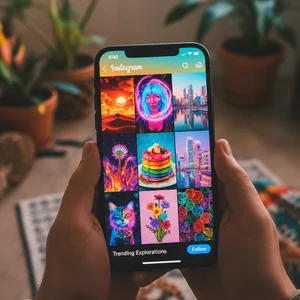
That differentiation is what gets people to stop scrolling.
Finding Your Visual Identity
Here's what works. Pick a filter style and commit to it. Use it consistently across your content until people recognize your aesthetic without seeing your username.
Some creators go for high contrast black and white. Others use vibrant, saturated colors. Some lean into vintage film looks. The specific style matters less than the consistency.
I've seen accounts blow up because they developed a signature look. Their photos are immediately recognizable in a crowded feed. That visual consistency builds brand recognition faster than anything else.
But you have to actually be different. "Warm and slightly desaturated" isn't distinctive when half of Instagram uses that exact vibe.
Effects That Actually Stand Out
Artistic transformation filters work well. Turn photos into watercolor paintings, anime style, oil paintings, sketch drawings. These create genuinely unique visuals that break the pattern of typical photography.
Cliptics AI photo filters offer styles you can't get from traditional editing. They use AI to reimagine your photo in completely different artistic modes. That's harder to replicate than just adjusting saturation and exposure.
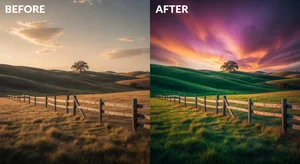
Stylized filters that exaggerate certain characteristics perform well too. Ultra high contrast, selective color, dramatic grain. Anything that pushes the photo beyond normal editing into something more stylized.
Abstract filters that distort reality get attention. Glitch effects, chromatic aberration, intentional artifacts. They signal that you're doing something different.
The key is choosing effects that serve your content, not just effects that look cool. Fashion content benefits from different treatments than food content. Your filter choice should enhance what you're trying to communicate.
The Consistency Trap
Using the same filter on every single photo can get boring fast. But changing your style constantly means you never build visual identity.
The solution? Variations within a consistent aesthetic. If your signature is high contrast black and white, you can vary the intensity. Play with grain. Adjust the tonal range. Keep the overall vibe consistent while preventing every photo from looking identical.
Think of it like a color palette. You're not using the exact same color every time, but you're drawing from the same family of colors. Same principle with filters.
Engagement Impact
Here's what I've noticed from testing this. Creative filters increase saves and shares more than likes.
People like photos because they're pretty or familiar. People save and share photos because they're different and inspire them. If you want algorithmic boost, saves and shares matter more than likes.
Photos with distinctive filter treatments get saved as inspiration. Get shared to stories. Get commented on asking "how did you do that?"
That engagement signals to the algorithm that your content is valuable. You get shown to more people. Your reach grows.
Platform Specific Considerations
Instagram still favors polished, aesthetically cohesive content. Your filter strategy here should build a consistent grid aesthetic.
TikTok moves faster. You can experiment more with different filters and effects. Trends matter more than consistency.
Pinterest rewards visually striking images. Bold filters and high contrast perform better than subtle adjustments.
Know where your content lives and adjust your filter intensity accordingly.

The DIY vs Tool Question
You can create custom filters manually in Lightroom or Photoshop. Takes time. Requires skill. But gives you complete control.
Or you can use AI image generators and filter tools that do the heavy lifting. Faster. Easier. Less control but way more accessible.
Most successful creators I know use a hybrid approach. They have their base editing style, then layer creative AI filters on top for specific content that needs extra pop.
The tool matters way less than the consistency and the appropriateness to your content.
Building a Signature Look
Start by analyzing content you're drawn to. What filters or styles make you stop scrolling? Why do they work?
Then experiment with different approaches on your own content. Test various filters. See what feels right for your brand and message.
Once you find something that works, document it. Screenshot your settings. Save your presets. Build a system so you can recreate the look consistently.
Don't copy someone else's exact style. But learning from what works and adapting it to your needs is smart strategy.
When to Break Your Own Rules
Consistency builds recognition. But rigid rules kill creativity.
If you post a photo that demands a different treatment, do it. Your audience will forgive occasional departures if they're justified.
Special announcements, collaborations, seasonal content, these can warrant breaking your visual pattern. Just don't do it so often that you lose your signature look entirely.
The Real Differentiator
Filters are tools. They help you stand out, but they're not the only factor.
Great composition matters. Strong subject matter matters. Compelling captions matter. Consistent posting matters.
The filter is just the final polish that makes your already good content visually distinctive. It's not a replacement for doing the actual work of creating valuable content.
But when you combine solid content with a signature visual style? That's when you build something people actually remember and follow.
The feed is crowded. Basic doesn't cut it anymore. Creative filtering is how you break through the noise and build something recognizable.
So find your look. Commit to it. Make it impossible to scroll past your content without noticing.