
Cyberpunk Photo Effects: Futuristic Neon Aesthetics | Cliptics
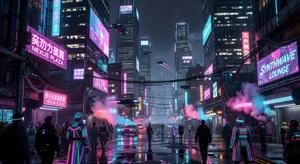
You know that electric, futuristic vibe from Blade Runner or Cyberpunk 2077? That's totally achievable in your photos now.
Cyberpunk aesthetics are having a moment. Neon lights, high contrast, that gritty tech-noir feeling. It's bold, it's dramatic, and it immediately makes your content stand out from the endless stream of warm and minimal photography everyone else is doing.
I've been experimenting with cyberpunk effects, and the transformation is wild. Regular street photos become futuristic cityscapes. Portraits turn into character studies from sci-fi films. It's one of the most dramatic aesthetic shifts you can apply.
Let me show you how to actually pull this off.
The Core Elements
Cyberpunk has specific visual markers. You can't just add blue and call it futuristic.
Neon color dominates everything. Electric blue, hot pink, acid green, deep purple. These saturated, glowing colors are non-negotiable. The palette screams artificial light in a dark urban environment.
High contrast is essential. Deep shadows against bright neon. No soft gradients or gentle transitions. Everything's either lit or it's dark. That harsh contrast creates the gritty, intense atmosphere.
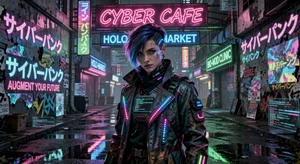
Urban decay meets high tech. Grimy streets with holographic ads. Old buildings with new technology layered on top. The aesthetic thrives on that contradiction between worn-down reality and advanced tech.
Grain and glitch effects add to the vibe. Clean digital perfection feels too sterile. Cyberpunk wants that slightly corrupted, overloaded sensor look. Like the image is struggling to contain all that neon energy.
Color Grading for Cyberpunk
This is where you make or break the effect.
Shift your shadows toward blue or purple. Black shadows feel flat. Colored shadows create that artificial light atmosphere where nothing is naturally lit.
Boost saturation aggressively on blues, magentas, and cyans. These colors should glow. Push them until they feel almost too intense, then back off slightly. Cyberpunk lives right at that edge of oversaturation.
Add chromatic aberration. That color fringing effect where blues and reds split at edges. In normal photography it's a flaw. In cyberpunk it's a feature. It adds to that glitchy, high-tech malfunction aesthetic.
AI photo filters designed for cyberpunk can handle a lot of this automatically. Look for neon or sci-fi presets as starting points.
Crush your blacks. Deep, solid darkness makes those neon elements pop even harder. High contrast is your friend here.
Lighting Setup
If you're shooting original content for cyberpunk treatment, lighting matters.
Practical neon lights are ideal. LED strips, neon signs, colored gels on regular lights. Anything that creates that colored glow in-camera gives you better source material.
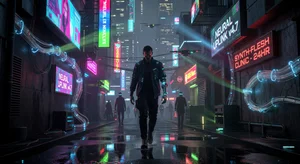
Side lighting and backlighting work better than front lighting. You want dramatic shadows. Face-on lighting flattens everything. Side angles create dimension and mystery.
Mix color temperatures. Warm and cool light in the same frame creates visual tension that fits the aesthetic perfectly. Orange streetlights with blue neon. That color clash is very cyberpunk.
Subject and Composition
Not everything works with cyberpunk treatment.
Urban environments are perfect. Cities at night, industrial areas, tech districts. The built environment is core to the aesthetic. Nature scenes don't fit unless you're going for some post-apocalyptic hybrid.
Tech elements enhance everything. Screens, cables, machinery, holographic effects. Props that suggest high technology layered into everyday life.
People work great if styled right. Modern or futuristic clothing. Confident, mysterious poses. Think character from a sci-fi game, not casual portrait.
Reflections and wet surfaces are your secret weapon. Rain-slick streets, glass reflections, puddles doubling the neon. Water multiplies light in ways that scream cyberpunk.
The Glitch Factor
Adding digital artifacts elevates the whole aesthetic.
Scan lines and RGB split effects make images feel like they're being displayed on damaged screens. Like you're viewing footage through malfunctioning surveillance cameras.
Pixel sorting can create interesting corruption effects. Selective application works better than full-image treatment. Too much and it becomes unreadable.
Data moshing adds that digital decay vibe. Again, subtlety matters. Hints of corruption, not complete destruction.
AI image generators can create cyberpunk scenes from scratch if you don't have the right source material. Describe the neon aesthetic you want and let the AI build it.
What Works and What Doesn't
Best applications for cyberpunk effects: Tech content. Gaming coverage. Music with electronic genres. Urban exploration photography. Anything where edgy, futuristic vibes enhance the message.
Doesn't work for: Lifestyle content about warmth and comfort. Nature photography. Bright, cheerful messaging. Corporate professional imagery unless you're in tech or creative industries.
The aesthetic is specific and polarizing. People either love the intense, futuristic vibe or find it too aggressive. Know your audience before going full cyberpunk.
Making It Your Style
If you commit to cyberpunk aesthetic, go all in. Half-committed looks confused. Either embrace the neon intensity or choose a different direction.
Consistency across your portfolio builds that recognizable style. Same color palette, similar grain and glitch effects, cohesive mood.
But don't let the style overpower the content. The aesthetic should enhance your message, not become the message itself. Cool visuals only carry you so far without substance.
Cyberpunk photography isn't subtle. It's bold, it's intense, it demands attention. If that matches your brand and content, it's one of the most visually striking aesthetics you can adopt.
Just make sure you can back up those futuristic visuals with content that's actually worth the viewer's attention. All style and no substance gets old fast, no matter how cool the neon looks.