
Dark Academia Aesthetic: Photo Filter Guide | Cliptics
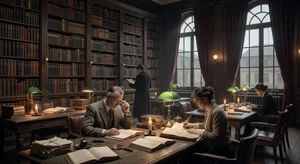
What if looking scholarly and mysterious was an actual vibe? Because apparently it is, and people are really into it.
Dark academia hit social media a while back and never really left. It's this whole aesthetic built around old libraries, vintage clothing, classical education, and very specific color palettes. Basically, if Hogwarts had an Instagram, it would look like this.
I've been experimenting with dark academia filters on my photography, and there's something oddly compelling about the moody, intellectual atmosphere it creates. Let me show you what works.
What Makes It Dark Academia
The aesthetic has specific visual characteristics. You can't just slap a brown filter on any photo and call it dark academia.
Moody lighting is essential. Think dim libraries, candlelit study sessions, overcast days. Bright sunshine doesn't exist in this universe. Everything's atmospheric, slightly shadowy, contemplative.
Color palette leans heavily on deep browns, forest greens, burgundy, navy, charcoal. Warm but dark. Rich but muted. Nothing bright or cheerful.
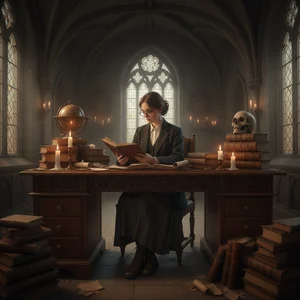
Subject matter matters too. Books, vintage architecture, classical art, handwritten notes, tea in delicate cups. Props that suggest learning, history, tradition.
The vibe is "I read classic literature for fun and wear tweed unironically." Whether that's your actual life or just an aesthetic choice, the photos need to sell it.
Setting Up the Shot
Dark academia works best with the right source material. You can't filter your way out of bad composition.
Find locations with character. Old buildings, libraries, vintage cafes, museums. Places that feel historic. Modern minimalist spaces don't work no matter what filter you apply.
Lighting should be soft and directional. Window light on an overcast day is perfect. Table lamps with warm bulbs. Candlelight if you're feeling dramatic. Avoid harsh overhead fluorescents.
Props elevate the whole thing. Vintage books, fountain pens, classical instruments, antique clocks. Anything that suggests timeless knowledge and refined taste.
The Filter Approach
Color grading is where the magic happens. You're aiming for that faded, vintage academic feel.
Shift shadows toward brown and green. Pure black feels too modern. The darkest parts of your image should have warmth, like old film photography.
Desaturate slightly but don't go full black and white. You want muted color, not absence of color. The palette should feel restrained, not eliminated.
Add grain. Digital smoothness kills the vintage vibe. Subtle film grain makes everything feel more authentic, more aged, more academic somehow.
Darken the overall image. Dark academia isn't bright and airy. Push the exposure down. Let shadows be deep. Embrace the moodiness.
AI photo filters can handle a lot of this automatically if you're not comfortable with manual grading. Look for vintage or moody presets and adjust from there.

Color Specific Tweaks
Here's how to handle specific colors for that authentic dark academia look.
Browns should lean toward sepia. Think old photographs, aged paper, worn leather.
Greens need to go dark and muted. Forest green, olive, mossy tones. Nothing bright or tropical.
Skin tones get tricky. You want them to look natural but fit the moody palette. Shift slightly toward warmth but don't overdo it. Nobody should look jaundiced.
Blues turn navy or deep teal. Bright blues don't exist in this aesthetic. Everything needs to feel weighted, serious, scholarly.
Composition and Framing
Dark academia favors certain compositional choices.
Close crops work well. Intimate shots of hands writing, book spines, tea cups. Detail over wide establishing shots.
Symmetry and classical composition feel right. This aesthetic values order and tradition. Balanced framing reinforces that.
Negative space should feel intentional. Empty areas in the frame suggest contemplation, quiet study, thoughtful pause.
Perspective matters. Eye level or slightly elevated works better than dramatic angles. This isn't street photography. It's refined observation.
Where People Get It Wrong
Common mistakes that ruin the dark academia vibe.
Too much filtering. Don't obliterate your image in brown fog. The aesthetic should enhance, not overwhelm.
Wrong subject matter. A modern smartphone or bright sportswear in the frame kills the vintage illusion immediately.
Too bright. If your photos look cheerful and sunny, you missed the assignment. Dark academia is moody by definition.
Inconsistent styling. One dark academia photo in a feed full of bright minimalism looks confused, not artistic. Commit to the aesthetic or skip it.
Making It Your Own
The aesthetic has rules, but you don't have to follow them religiously.
Mix in your personal interests. Like science? Dark academia can work with vintage lab equipment and specimen jars. Into music? Classical instruments and sheet music fit perfectly.
Adjust the intensity based on your audience. Full commitment works for themed accounts. Subtle dark academia touches can add sophistication to regular content.
The key is understanding what makes the aesthetic work, then applying those principles to your own style and subjects.
Dark academia isn't for everyone. It's specific, it's moody, it's deliberately not mainstream. But if the scholarly, mysterious, vintage vibe speaks to you, there's a whole community appreciating exactly that aesthetic.
And honestly, looking like you spend your days reading philosophy in a century old library? There are worse vibes to project.