
"Deepfake-as-a-Service: The $0 Tool Criminals Use to Steal Millions | Cliptics"
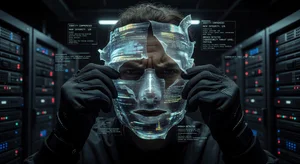
A finance employee at a multinational firm sat through a video call with his CFO and several senior executives. They discussed quarterly numbers, upcoming budgets, and then the CFO asked him to authorize a $25 million transfer. He did. Every person on that call was fake. The voices, the faces, the mannerisms. All generated by software that costs nothing to access.
That actually happened. And it is not an isolated case. Welcome to the era of Deepfake as a Service, where the tools criminals need to impersonate anyone are free, fast, and terrifyingly effective.
What Deepfake as a Service Actually Looks Like
Deepfake as a Service (DaaS) is exactly what it sounds like. Criminal operators package deepfake technology into subscription platforms and sell access on dark web marketplaces. Some of these services look disturbingly professional, complete with customer support, tutorials, and tiered pricing.
The entry point is essentially free. A synthetic identity kit costs about $5. A dark LLM subscription that generates convincing text, voice, and video runs around $30 per month. Scammers can produce an 85% voice match from as little as three seconds of source audio. That audio could come from a conference talk, a podcast appearance, or a simple Instagram story.
What changed in 2025 and 2026 is the skill floor. You used to need technical knowledge to pull this off. Now the platforms handle everything. Upload a photo. Type what you want the person to say. Get a finished video in minutes.

The Numbers Are Staggering
Deepfake fraud drained $1.1 billion from U.S. corporate accounts in 2025, tripling from $360 million the year before. The average loss per incident sits above $280,000, with nearly 20% of cases exceeding $500,000.
CEO fraud using deepfakes now targets at least 400 companies per day. Voice cloning fraud surged 680% in one year. The total number of deepfakes in circulation jumped from 500,000 in 2023 to over eight million in 2025. And human detection rates for high quality video deepfakes sit at just 24.5%. Three out of four fakes go unnoticed.
Projections put AI enabled fraud losses at $40 billion by 2027.
How the Attacks Work
The most common corporate attack follows a predictable pattern. Criminals scrape publicly available video and audio of executives from earnings calls, interviews, and social media. They feed this material into DaaS platforms that create real time deepfake avatars.
Then they set up a video call. The employee sees their boss, hears their boss, and follows instructions that sound perfectly normal. Transfer funds to this account. Approve this vendor payment. By the time anyone realizes something is wrong, the money has been routed through multiple accounts and vanished.
In Singapore, a finance director authorized a $499,000 transfer during what appeared to be a routine Zoom call with senior leadership. The request was urgent but not unusual. That is what makes these attacks so effective. They fit seamlessly into normal business operations.
The FBI and Interpol have both flagged a newer threat: agentic AI fraud. AI systems now execute entire attack chains autonomously, from target identification to social engineering to financial extraction, without a human operator touching the keyboard. Experian has called this the top emerging fraud threat for 2026.
Why Detection Is Losing
The core problem is speed. These tools improve faster than detection methods can keep up. A deepfake that would have taken hours to generate in 2023 now takes minutes. Real time deepfaking during live video calls is practical, with latency low enough for natural conversation.
Microsoft has integrated its Video Authenticator into several major platforms, analyzing blending boundaries where deepfake elements were inserted. Sensity AI provides enterprise grade forensic detection with 98% accuracy across video, images, and audio. Blackbird AI specializes in detecting AI generated content and disinformation at scale. Intel's FakeCatcher analyzes blood flow patterns in skin, something deepfakes cannot replicate.
But none of these tools are universally deployed. Most businesses have zero deepfake detection in their security stack.
What You Can Actually Do
For businesses, the single most important step is implementing verification protocols that do not rely on video or audio alone. If someone on a call requests a financial transfer, confirm through a separate channel. Call them back on a known number. Use a code word system. Make it policy that no transfer above a certain threshold can be authorized by video call alone.
Train your team. Show them examples of deepfakes. Run simulated attacks. The 24.5% human detection rate improves dramatically when people know what to look for: unnatural blinking, mismatched eye reflections, audio artifacts on sibilant sounds, and mouth interiors that blur when someone speaks loudly.
For individuals, limit the audio and video of yourself that is publicly accessible. Every clip you post is training data for a potential voice clone. Be skeptical of urgent requests that come through video or phone, especially from family members or authority figures asking for money.
The FBI recommends establishing a family code word for emergency calls, precisely because voice cloning scams targeting parents and grandparents have become so prevalent. If you get a call from a family member in distress, hang up and call them back on their actual number.
The Uncomfortable Reality
DaaS is not going away. The tools will only get better, cheaper, and more accessible. The gap between real and fake will continue to shrink.
The companies and individuals who fare best will be the ones who stop trusting any single channel of communication as proof of identity. Video is not proof. Audio is not proof. Even real time conversation is not proof. The only reliable verification is multi channel confirmation through systems that a deepfake cannot simultaneously compromise.
That is an uncomfortable shift. But the alternative, continuing to trust what we see and hear at face value, is a $40 billion mistake waiting to happen.