
Dynamic vs Static QR Codes: Which to Use for Business Cards | Cliptics
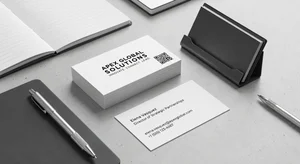
I printed 500 business cards with a QR code linking to my website.
Then I rebranded. New website URL. New design. Cards were three months old.
All 500 cards instantly became useless because the QR code was static. It pointed to a URL I no longer used. No way to update it.
That mistake cost me $200 in reprinting plus the awkwardness of handing out outdated cards for weeks until the new ones arrived.
If I'd used a dynamic QR code, I could've just updated where it points without touching the physical cards.
That's the core difference. Let me break down when each type actually makes sense.
Static QR Codes: What They Are
Static codes encode information directly in the pattern. The data is in the code itself.
Scan a static code and your phone reads that data directly. No middleman. No server. Just code to data.
For a URL, the full web address is embedded in the pattern. For contact info, the name, phone, email are all in the code.
This makes them permanent. Once created, they never change. Scan that code in 10 years and it'll do exactly the same thing it does today.
The upside: they work forever with no maintenance. No subscription fees. No service dependency.
The downside: you can't change them. If you need to update what they link to, you have to create entirely new codes.
Dynamic QR Codes: What They Are
Dynamic codes don't encode your final destination. They encode a redirect URL.
Scan a dynamic code and it first goes to a short redirect link. That link then sends you to your actual destination.
The magic is you control that redirect. Change where it points anytime you want without touching the physical code.
Same printed code can link to different destinations over time. Update it whenever you need.
The upside: flexibility. Change destinations. Track scans. Test different landing pages. All without reprinting.
The downside: depends on the service hosting your redirect. If that service shuts down, your codes break. Usually requires a subscription for ongoing access.
Business Cards: Which Makes Sense
For business cards specifically, it depends on what the code links to.
If it's linking to something stable that won't change, static works fine. Your LinkedIn profile. Your personal website you've owned for years. A vCard with your contact info.
Those things probably won't change or they change infrequently enough that reprinting business cards occasionally isn't a big deal.
But if you're linking to something that might change or if you want tracking data, dynamic makes more sense.
Startup founders should probably use dynamic. Your website might pivot. Your positioning might shift. Landing pages change as you test messaging.
Freelancers testing different portfolio approaches benefit from dynamic. Send everyone to the same business card code but test different portfolio pages to see what converts.
Sales people who want to track which networking events drive the most scans definitely need dynamic for the analytics.
My current approach: LinkedIn QR codes because LinkedIn profiles are stable. Even if I change jobs, the LinkedIn profile follows me.
The Tracking Difference
This is huge for some use cases, irrelevant for others.
Dynamic codes typically include tracking. You can see how many scans, when, where, what device types. Some services show conversion tracking if you set that up.
Static codes offer no tracking. Someone scans it and you have no idea. No data. No analytics. Just faith that it's working.
For pure networking where you just want to exchange contact info, tracking might not matter. You'll know if people reach out.
But for marketing use, lead generation, testing different approaches? Tracking is essential. You need to know what's working.
That alone justifies dynamic codes for business development contexts even if the URL never changes.
Cost Considerations
Static codes are free. Generate them with any QR code maker and use them forever. Zero ongoing cost.
Dynamic codes usually require subscription. Services charge monthly fees for the redirect hosting and analytics. Could be $5 to $50 per month depending on features and scan volume.
For individual business cards, that cost might not make sense. Spending $60 a year to avoid occasionally reprinting $40 worth of cards isn't obviously worth it.
But if you're using QR codes across multiple materials, packaging, marketing, signage, the subscription cost spreads across all uses. Then it makes more sense.
Also consider the hidden cost of static codes. If you have to reprint because the link changed, that's real money plus the waste of unusable cards.
Evaluate based on your specific situation. How likely are you to need updates? How much do reprints cost? How valuable is the tracking data?
What Changes Mean Reprinting
With static codes, any of these force reprints:
Website URL changes. Rebrand, new domain, moving to different platform.
Content reorganization. You linked to /about but restructured your site and that page moved or was renamed.
Campaign specific landing pages. You want to test different offers but the code is printed with a specific page.
Switching services. Your code links to Instagram but you pivoted to LinkedIn as your main presence.
These happen more often than people expect when first making business cards. Especially for growing businesses still figuring things out.
Dynamic codes absorb all these changes. Same physical card works regardless of where you need it to point.
The Middle Ground Approach
Here's a smart hybrid strategy: use your own domain with a short redirect.
Instead of the code linking directly to your LinkedIn or website, link to something like yourname.com/card.
Set that up to redirect wherever you want. You control it. It's technically static from the QR code perspective but functionally dynamic from your control perspective.
Free. No subscription needed. You get update flexibility. Only lose tracking unless you set up your own analytics.
This works great for individuals who have a domain and basic technical ability to set up redirects. Not as user friendly as dynamic code services but maximally flexible and cost effective.
Platform Specific QR Codes
Some platforms offer their own QR codes.
Instagram, LinkedIn, Spotify, Snapchat. These generate codes that link directly to your profile on that platform.
These are effectively static but they're also platform managed. Even if your username changes, the code still works because it's tied to your account ID not your username.
For social platforms you're committed to long term, these platform native codes are often the best choice. Free, permanent, and they work even through username changes.
Printing Considerations
Physical production matters regardless of code type.
Business cards need high quality printing for QR codes to scan reliably. Cheap printing can blur the pattern enough to cause scan failures.
Test the printed codes before ordering your full run. Get samples. Scan them with different phones. Make sure they work consistently.
Size matters. Too small and older phones struggle. Too large and it dominates the card design. Sweet spot is usually 1 to 1.5 inches square for business card applications.
Placement matters. If the code goes in a spot people expect contact info, confusion. Put it where it's obviously separate, like the back or bottom corner with clear instruction text.
My Current Recommendation
For most business cards, I'd go with platform specific codes if applicable.
LinkedIn QR for professional networking. Leads to your profile which is stable and won't change.
For entrepreneurs or anyone whose web presence might shift, use dynamic codes or the domain redirect approach.
Only use fully static codes for things you're absolutely certain won't change. Otherwise the risk of reprinting costs more than a dynamic code subscription.
Test both if you're unsure. Order small runs with different approaches and see which gets better engagement and causes fewer problems.
The goal is connection, not QR code optimization. Pick whatever works reliably and gets out of the way of actual human interaction.
That's the whole point. QR codes should make networking easier, not become the focus of your business card strategy.