
E-commerce Conversion Optimization 2026: AI, Mobile & | Cliptics
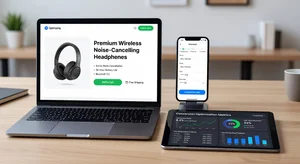
You're probably dealing with the same frustration every e-commerce business faces. Traffic looks decent, people are browsing products, adding things to cart, and then... nothing. They leave. Your conversion rate sits somewhere between 1% and 3%, and you're wondering what you're doing wrong.
Here's the thing. You're not alone, and you're probably not doing everything wrong. E-commerce conversion optimization in 2026 is about fixing specific friction points that are costing you sales right now. Let me walk you through what's actually working.
The Mobile Problem Everyone Has
More than 70% of e-commerce traffic is mobile now, but most sites still convert better on desktop. That's not because people prefer buying on desktop, it's because your mobile experience probably has issues you haven't noticed as the owner.
Slow loading on mobile kills conversions before people even see your products. If your pages take more than three seconds to load on 4G, you're losing a chunk of potential customers immediately. They don't wait, they bounce.
Tiny text and buttons that require pinch-zooming or precise tapping frustrate people. If I need to zoom in to read product details or I keep missing the add to cart button, I'm leaving. Your mobile site should be thumb-friendly, everything important needs to be easy to tap.
Forms on mobile are often a disaster. Asking for the same information desktop checkout asks for, but making people type it all on a small keyboard with autocorrect fighting them. This is fixable and it matters.
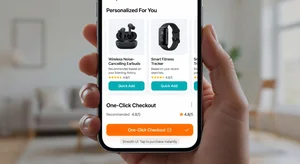
Checkout Is Where Money Gets Lost
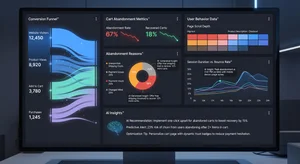
Cart abandonment averages around 70% across e-commerce. Think about that. Seven out of ten people who want to buy from you don't complete the purchase. Some of that is unavoidable, people comparison shopping or getting distracted. But a lot of it is your checkout process creating unnecessary friction.
Requiring account creation before checkout is one of the biggest conversion killers. People want to buy your product, not join your space. Guest checkout needs to be obvious and actually easy. You can invite them to create an account after they've bought, when they're already satisfied customers.
Unexpected costs at checkout make people abandon instantly. Shipping costs that appear on the last page, hidden fees, taxes that weren't mentioned earlier. People hate surprises when they're about to pay. Show total costs as early as possible, preferably on the product page.
Too many form fields slow people down and create drop-off points. Every extra field you ask for is another chance someone decides it's not worth it. Ask for the minimum needed to process the order. You can request additional info later if you really need it.
Payment options matter more than you might think. If you only accept credit cards and someone prefers Apple Pay or PayPal, they might just leave rather than dig out their wallet. Multiple payment options reduce friction for different customer preferences.
Personalization That Actually Works
Generic product recommendations don't perform well anymore. "You might also like these random items" doesn't convert. AI-powered personalization that actually understands what someone wants based on their behavior works way better.
Showing products similar to what someone's viewing makes sense. If they're looking at blue running shoes, show them other blue running shoes or related running gear, not random unrelated items just because they're popular.
Personalized homepage content based on browsing history keeps people engaged. If someone's looked at five different laptop bags, maybe feature laptop bags prominently when they return instead of showing your generic homepage. This seems obvious but most sites don't do it well.
Email personalization beyond just using their name can recover abandoned carts and bring people back. Sending an email with the specific items they left in cart, maybe with a small discount or free shipping offer, converts way better than generic "come back" emails.
AI can help identify patterns you'd miss manually. Which products are frequently bought together, what browsing patterns lead to purchases, which customers are high-value and should see different promotions. The data's there, you just need to use it.
Trust Signals People Actually Look For
Reviews and ratings aren't optional anymore. People don't trust product descriptions from the seller, they trust what other buyers say. If you don't have reviews on your product pages, you're losing sales to competitors who do.
Real photos from customers carry way more weight than professional product photos. User-generated content shows what the product actually looks like in normal settings, and it builds trust in ways polished marketing images don't.
Clear return policy reduces purchase anxiety. People want to know they can return something if it doesn't work out. Hiding your return policy or making it complicated creates doubt right when they're about to buy.
Security badges and trust indicators on checkout reassure people their payment info is safe. This matters especially for smaller or newer brands that people aren't familiar with yet.
Product Pages That Convert
High-quality images from multiple angles help people understand what they're buying. Zooming capability matters. If I can't see details clearly, I'm going to have doubts about the product.
Product descriptions that answer actual questions perform better than generic marketing copy. People want to know dimensions, materials, how it works, what's included. Save the flowery language for your brand story page.
Clear pricing without tricks builds trust. If you're running a sale, show the original price and the sale price clearly. Don't inflate the original to make the discount look better, people can tell and it erodes trust.
Prominent add to cart button that's visible without scrolling converts better than hiding it below the fold. Make the next step obvious and easy.
Stock indicators create urgency without being manipulative. "Only 3 left in stock" works if it's true. Fake urgency backfires when people catch on.
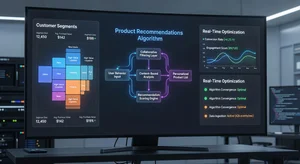
What AI Can Actually Do For You
AI chatbots for customer service can help when they're done right. Answering basic questions about shipping, returns, sizing, these free up your team to handle complex issues and can prevent people from leaving the site to email you questions.
Predictive analytics can identify which visitors are likely to buy and which are just browsing. You can target different messages or offers to people based on purchase likelihood, optimizing your promotion spend.
Dynamic pricing based on demand, inventory, and competition can maximize revenue without alienating customers. This has to be done carefully, but AI can balance these factors better than manual price changes.
Automated A/B testing can continuously optimize elements of your site without you manually setting up and monitoring tests. The AI tests different versions, identifies winners, sets up changes, and keeps iterating.
Small Changes That Have Big Impact
Adding a progress indicator to multi-step checkout reduces abandonment because people know how much longer the process will take.
Enabling autocomplete for address fields speeds up checkout on both desktop and mobile. People appreciate not having to type their full address manually.
Showing related products on cart page can increase average order value. If someone's buying a camera, showing memory cards or camera bags right there makes sense.
Live chat availability, even if it's just during business hours, gives people a way to get quick answers and can prevent them from leaving to find answers elsewhere.
Exit-intent popups with a small discount can recover some people who are about to leave. Don't abuse this, but a one-time offer when someone's cursor heads for the close button can work.
Measuring What Matters
Conversion rate is the obvious metric, but segment it by traffic source, device, new vs returning customers. Overall conversion rate hides problems that segmented data reveals.
Cart abandonment rate shows where people drop off in your funnel. If abandonment happens at a specific step consistently, that step has issues.
Average order value tells you if your upselling and cross-selling are working. If it's declining, you might be discounting too much or not suggesting additional products effectively.
Customer lifetime value matters more than first purchase value for subscription or repeat-purchase businesses. Optimizing for lifetime value might mean different strategies than optimizing for quick conversions.
The Reality Check
Conversion optimization isn't a one-time fix. It's continuous testing, learning, and improving. What works today might not work in six months as customer expectations and behaviors change.
You don't need to set up everything at once. Pick the biggest pain points, fix those first, measure results, then move to the next issue. Trying to overhaul everything simultaneously usually creates more problems than it solves.
Mobile optimization isn't optional anymore. If your site works great on desktop but okay on mobile, you're losing most of your potential customers.
AI and personalization help, but they're not magic. You still need good products, clear value propositions, and customer service that doesn't suck. Technology amplifies what's already working, it doesn't fix fundamental business problems.
The stores converting best in 2026 are the ones that removed friction at every step from first visit to completed purchase. They made mobile easy, checkout smooth, products clear, and gave people reasons to trust them. That's what you're aiming for.