
Eye Color Changer: Visualizing Colored Contacts | Cliptics
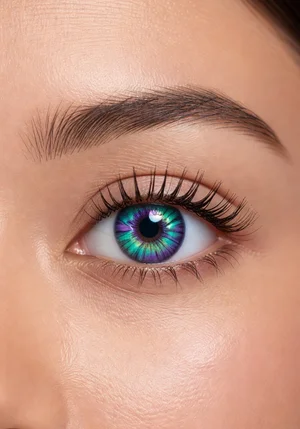
I bought colored contacts once. Spent ninety dollars on a pair of prescription lenses in what the website called "natural hazel."
They arrived three weeks later. I put them in, looked in the mirror, and immediately knew I'd made a mistake. They didn't look natural. They didn't look hazel. They looked like I was wearing colored contacts, and not in a good way.
The color was too bright against my skin tone. The pattern was too uniform. They covered too much of my natural eye, creating this weird ring effect. I looked like I was cosplaying someone else's idea of pretty eyes instead of enhancing my own.
Ninety dollars. Can't return contacts for hygiene reasons. Just ninety dollars worth of regret sitting in a drawer.
That was before eye color changer tools got good enough to actually show realistic previews. And I really wish this technology existed back then.
The Contact Lens Gamble
Here's the fundamental problem with buying colored contacts. You're making decisions based on tiny product photos that show the lens floating in a vial or sitting on someone else's eyeball.
Someone else's completely different eyeball, by the way. Different natural color underneath, different skin tone around it, different lighting in the photo. None of which tells you anything useful about how it'll look on you.
Some websites show comparison photos. Before and after shots of models wearing the contacts. That's slightly more helpful, but you're still looking at someone whose face is nothing like yours making a guess about whether it'll translate.
The descriptions don't help much either. "Natural looking green" could mean anything. Forest green? Sea green? Olive? How vivid is it? How does it blend with your natural color? Does it have a limbal ring? How thick is it?
So you read reviews, study photos, make your best guess, and place an order. Then you wait weeks for shipping because most places don't stock these locally. Then you finally try them and discover whether your gamble paid off.
The stakes are higher if you need prescription lenses. That's not a fifteen dollar experiment. That's a hundred dollars or more. For something you might wear exactly once before deciding it doesn't work.
How Eye Color Changers Actually Work
The AI technology behind these tools is pretty sophisticated now. It's not just overlaying a flat color on your iris and calling it done.
Good eye color changers map the structure of your eye. They identify where your iris is, what the natural pattern looks like, how light interacts with it. Then they apply the new color while preserving that underlying texture and dimension.
They account for your natural eye color. Because colored contacts are transparent, they layer over what's already there. A bright blue lens looks different on brown eyes than it does on green eyes. The AI simulates that blending realistically.
They show how the color interacts with your skin tone, hair color, and overall coloring. Eyes don't exist in isolation. They're part of your whole face. A color that seems pretty in theory might clash with your undertones in practice.
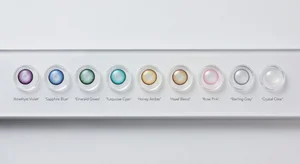
The result is a preview that actually resembles what wearing those contacts would look like. Not perfect, because nothing beats physically trying them on. But close enough to make informed decisions instead of blind guesses.
What I Learned Testing Different Colors
I went through this whole process recently before committing to another contact lens purchase. Tested probably twenty different color variations to see what actually worked.
My natural eyes are dark brown. Almost black in certain lighting. I'd always wanted lighter eyes, something more distinctive. Green seemed like the obvious choice. Emerald green, specifically. Dramatic, striking, memorable.
Tested it virtually and it looked completely wrong. Too stark against my skin tone. Too artificial. The contrast was so strong it didn't look like a natural eye color at all. It looked like a special effect.
So I tried more subtle greens. Olive, hazel, amber with green tones. Those worked better but still felt like I was trying too hard. They drew attention to my eyes but not in a way that felt authentic.
Then I tested gray. Not bright silver, just soft gray with a hint of blue. And something clicked. It lightened my eyes without looking fake. It was different enough to be interesting but subtle enough to seem plausible. It complemented my skin tone instead of fighting it.
That's what I ended up buying. Prescription contacts in a gray tone that actually looks natural on me. I wear them a few times a week and consistently get compliments that feel genuine instead of people just noticing I'm wearing contacts.
I never would've arrived at that choice without testing. I would've bought the green ones, been disappointed, and probably given up on colored contacts entirely.
The Natural Look Versus the Obvious Look
This is something you need to decide before you start testing colors. Do you want people to notice you're wearing contacts, or do you want them to just think your eyes look particularly nice today?
Both are valid choices. But they lead to very different color selections.
The obvious look means vivid colors, strong patterns, maybe even unusual shades like violet or bright turquoise. These are fun for events, costumes, artistic expression. They're not pretending to be your real eye color.
The natural look means choosing colors that could plausibly be natural eyes. Subtle enhancements to your existing color or realistic alternatives. Browns, hazels, soft greens, warm honey tones, muted blues and grays.
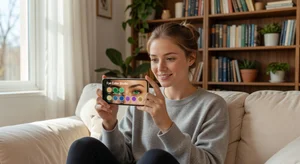
Eye color changers help you explore both directions. You can test the dramatic purple just to see what it's like, then dial it back to something wearable for daily life.
I found that I gravitate toward natural looking options. I like the idea that someone might wonder if my eyes have always been this color rather than obviously knowing I'm wearing contacts. But that's personal preference. Other people love the bold statement colors.
Testing lets you figure out which camp you fall into before spending money.
The Details That Matter
Once you've narrowed down the general color, there are still technical details that affect the final look. And eye color changer tools can help you think through some of these.
Coverage is a big one. Some contacts completely cover your natural iris. Others are more translucent and blend with your existing color. Full coverage gives you more control over the final color but can look less natural. Blended styles look more realistic but are less predictable.
Limbal ring thickness matters. That's the dark outline around the iris. A strong limbal ring makes eyes look bigger and more defined. Too strong and it looks artificial. The right thickness varies based on your natural eye size and face proportions.
Pattern complexity affects realism. Real irises have intricate patterns, color variations, depths. Better contacts mimic that complexity. Cheaper ones just have a single printed pattern that looks flat. Previewing helps you identify what level of detail you need for the look you want.
Pupil size varies between brands. Some leave a larger clear area in the center, some smaller. This affects both vision and appearance. Too small a pupil opening means blurry peripheral vision. Too large means less color visible.
You can't test all of these variables virtually. But you can get a sense of what colors and overall styles work for you, which narrows down the options significantly when you're shopping.
Connecting Virtual Tests to Real Purchases
Here's my process now when I'm considering new contacts. I use an eye color changer to test options. I save the colors that look promising. Then I research actual products that match those colors.
Brand websites often have their own try on tools now. But I find the independent AI changers more useful for initial exploration because they're not trying to sell me on specific products. They just show me what colors work.
Once I know I want a soft gray with subtle blue undertones, I can look for contacts that match that description. I read reviews specifically from people with similar natural eye colors to mine. I check return policies, even though contacts usually aren't returnable once opened.
Then I make a much more informed purchase than I would've otherwise. I'm not hoping these work. I'm reasonably confident they'll work because I've already seen a realistic preview.
The first time I did this with my current gray contacts, I also tested the same color with different makeup looks. Because makeup changes how eye color appears. Heavy black eyeliner intensifies lighter eyes. Warmer eyeshadows can clash with cool toned contacts. Browns and taupes complement most eye colors.
Tools like AI makeup try on let you layer these elements together. Test the eye color, then test makeup combinations with that eye color. See the complete picture before you commit to anything.
That level of visualization would've seemed impossible a few years ago. Now it's free and accessible in your browser.
What This Actually Saves You
Ninety dollars was my first waste on contacts. But I know people who've spent hundreds trying to find colored contacts that work for them. Multiple purchases, different brands, various colors. All sitting unused because they didn't deliver what the product photos promised.
Eye color changers eliminate most of that waste. Not all of it, because virtual previews aren't perfect. But enough of it that the cost savings add up quickly.
More importantly, it saves you the emotional disappointment of getting excited about something that doesn't work. That feeling when you finally receive your order, put them in, and realize you made the wrong choice. That's frustrating in a way that goes beyond just money.
The technology isn't complicated to use. Upload a clear photo of your face, or use your camera in good lighting. Start testing colors. Save the ones you like. Done.
Cliptics' eye color changer handles this exact use case. It's straightforward, realistic, free. No account required, no watermarks on your results. Just practical visualization for a practical decision.
Colored contacts can genuinely enhance your appearance when you choose the right ones. They can also look terrible if you choose poorly. The difference between those outcomes is information.
Now you can get that information before you spend money instead of after. That's not game changing, but it's extremely useful. And sometimes useful is exactly what you need.