Hijab Try-On: Modest Fashion Styling with AI | Cliptics
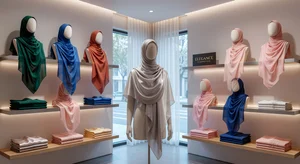
My hijab drawer looks like a fabric store exploded. Dozens of scarves in every color, pattern, and material you can imagine. And yet I reach for the same five over and over.
The rest? Impulse purchases that looked beautiful in the store but don't work with my wardrobe. Colors that clash with my skin tone. Fabrics that slip throughout the day. Patterns that overwhelm my face instead of framing it.
Every single one represents money spent and hope that this would be the perfect addition to my collection. Most of that hope was misplaced.
I kept buying because I couldn't visualize how something would actually look until after I'd already brought it home and tried styling it. By then it was too late. The tag was off, the scarf was worn, the return window had closed.
Then I found AI hijab try on tools that let you preview styles before purchasing. And I realized how much guesswork I'd been accepting as normal.
The Styling Challenge Nobody Talks About
Choosing a hijab isn't like choosing a regular accessory. It's a significant part of your overall appearance. It frames your face, affects your proportions, influences how people perceive your style.
And unlike a necklace or earrings that you can hold up in the mirror for a quick assessment, you can't really preview a hijab without actually putting it on and styling it properly. Which is hard to do in a store. Awkward at best, sometimes impossible.
So you make educated guesses. You hold the fabric near your face and imagine how it might look. You remember similar colors you've worn before. You trust the saleswoman when she says "this will look beautiful on you." You hope for the best.
Then you get home, style it carefully, look in the mirror, and discover it's not quite right. The shade is slightly off. The pattern is too busy. The drape doesn't work with your face shape. It's fine, but it's not what you wanted it to be.
Into the drawer it goes, joining all the other fine but not quite right scarves you've accumulated over the years.
How Virtual Try On Actually Helps
AI hijab try on technology maps your face and shows you what different styles look like before you commit to buying them. It's not perfect. Nothing replaces physically wearing something. But it's significantly better than guessing.
You upload a photo or use your camera. The AI identifies your face shape, skin tone, and features. Then you start testing styles.
Different wrapping techniques. Various fabric drapes. Multiple color options. Patterns versus solids. Sheer versus opaque materials. All rendered on your actual face so you can see what works with your specific features.
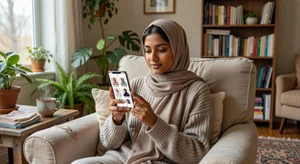
I tested probably thirty different combinations when I first started using these tools. Some confirmed what I already knew. Jewel tones look great on me. Pastels wash me out. Simple styles suit my face better than elaborate draping.
But I also discovered things that surprised me. Certain shades of brown I'd avoided actually work beautifully. The turban style I thought wouldn't suit me is incredibly flattering. Patterns I assumed were too bold are perfect in the right scale.
That's information I never would've discovered through trial and error purchasing. Too expensive, too risky, too much commitment required before knowing the outcome.
Finding Your Actual Style
Here's what happened when I could test styles without consequences. I stopped defaulting to safe choices and started exploring what I actually liked.
For years I wore mostly black, navy, and gray hijabs. Professional, versatile, easy to match with anything. Boring, if I'm being honest. But safe. I knew they worked, so I kept buying variations of the same thing.
Virtual try on gave me permission to experiment. I tested bright colors. Bold patterns. Styles I'd admired on other women but assumed wouldn't translate to my face.
Some of those experiments confirmed my instincts. Yes, that bright yellow does make me look ill. No, that busy geometric pattern is overwhelming on me. But others opened up entirely new possibilities.
Burgundy, which I'd written off as too dramatic, is actually stunning on me. A soft blush pink I thought was too sweet works if I pair it with structured, mature styling. Subtle metallic accents add just enough interest without being loud.
I developed an actual personal style instead of just playing it safe. My hijab choices now reflect who I am, not just what I know won't be a disaster.
The Practical Considerations
Beyond aesthetics, there are functional factors that affect whether a hijab works for your daily life. Virtual try on helps you think through some of these before purchasing.
Face shape compatibility matters. Certain styles add volume in ways that complement some face shapes but overwhelm others. If you have a rounder face, you might want styles that create vertical length. If your face is longer, you might prefer styles that add width at the sides.
Fabric behavior varies significantly. Jersey knits drape differently than chiffon. Cotton blends hold pins better than silk. Some materials need constant adjustment throughout the day. Others stay put once styled.
Color intensity affects your overall presence. Deep, saturated colors make a statement. Muted tones recede into the background. Neither is better, but they serve different purposes. An important meeting might call for something different than a casual weekend.
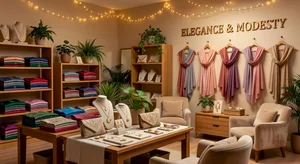
Pattern scale changes based on how much of the scarf is visible in your chosen style. A large print might look perfect in photos of the scarf laid flat but overwhelming when wrapped around your face. Smaller patterns often photograph as texture rather than distinct designs.
Testing these variables virtually doesn't tell you everything. You can't assess fabric quality or how something feels. But you can eliminate options that clearly won't work, narrowing down your choices to things worth investigating further.
Coordinating With Your Wardrobe
This was my biggest revelation. Your hijab doesn't exist in isolation. It needs to work with the clothes you actually own and wear.
I used to buy hijabs based solely on whether they were pretty in the store. I'd bring them home and discover they clashed with most of my wardrobe. Too cool toned for my warm colored clothes. Too casual for my work attire. Too formal for everyday wear.
Now I test hijabs against my actual wardrobe. I'll wear an outfit I love, take a photo, then test different hijab options with that specific outfit. See what colors complement it, what styles balance the proportions, what creates a cohesive look.
This completely changed my purchasing decisions. Instead of buying another beautiful scarf that doesn't go with anything I own, I buy pieces that integrate smoothly into my existing style.
Tools like AI virtual try on for clothing work the same way. You can test the complete outfit, hijab included, before buying any of it. See how pieces work together instead of hoping they'll coordinate once you've already purchased them separately.
That integrated approach to modest fashion makes getting dressed so much easier. Everything in your closet works together because you've verified the coordination in advance.
Cultural and Personal Expression
For many women, hijab is both a religious practice and a form of self expression. Finding that balance between modesty and personal style matters.
Virtual try on tools respect that by offering genuine options rather than dictating what you should wear. You control the style, color, coverage, everything. The technology just helps you visualize possibilities.
I appreciate that these tools include diverse style options. Traditional wraps, modern turbans, various draping techniques. They acknowledge that there's no single way to wear hijab correctly. There's your way, and these tools help you figure out what that looks like.
This is especially valuable for women who are newer to wearing hijab and still discovering their style. You can test different approaches without the pressure of public experimentation. Figure out what feels right in private, then step out with confidence.
It's also useful for special occasions when you want to try something different from your everyday style. Wedding guest looks, formal events, celebrations. Test elaborate styles you wouldn't normally wear to see if they suit you before attempting them on the actual day.
What Makes a Good Try On Tool
Not all virtual try on technology works equally well for hijab styling. The good tools have certain characteristics that make them actually useful.
Realistic draping matters most. Hijabs aren't flat overlays. They have dimension, folds, shadows. The rendering needs to account for how fabric actually behaves when wrapped around a head.
Accurate color representation is crucial. What looks like a soft rose on a badly calibrated screen might actually be bright pink in person. The tool needs to show colors as realistically as possible so you can make informed decisions.
Multiple style options provide versatility. Different wrapping techniques, various coverage levels, alternative pinning methods. The more options available, the more likely you are to find something that reflects your personal approach.
Face shape adaptability ensures the visualization works for your specific features. Generic overlays that don't account for individual proportions aren't helpful. The technology should map to your actual face.
Browser based accessibility means you can use it anywhere without downloads or installations. Test styles while you're shopping, at home, whenever inspiration strikes. The lower the barrier to use, the more likely you are to actually use it.
The Money This Actually Saves
My hijab drawer represents probably close to a thousand dollars in accumulated purchases over the years. Maybe two thirds of those scarves get regular wear. The rest just take up space.
If I'd been able to preview styles before buying, that ratio would be completely different. I would've avoided the colors that don't work. Skipped the styles that don't suit me. Passed on the patterns that looked better in the store than on my face.
Even saving half of that wasted spending is significant. That's money that could've gone toward higher quality scarves I actually love instead of quantity I don't wear.
The emotional cost matters too. Every time I open my drawer and see scarves I don't wear, it's a small reminder of misjudgments and wasted resources. Buying intentionally instead of hopefully feels so much better.
Virtual try on doesn't guarantee you'll love every purchase. But it dramatically improves your hit rate. More of what you buy becomes pieces you actually reach for instead of regrets you ignore.
What I Actually Do Now
My approach to buying hijabs has completely changed. I start with virtual testing, narrow down what works, then make deliberate purchases of specific items I know will integrate into my wardrobe.
I test new colors before buying them. I experiment with styles I'm curious about without committing to a purchase. I verify that something I like in theory actually works on my face before spending money.
Tools like Cliptics' AI hijab try on make this process simple. Upload a photo, test styles, save the ones that work. No complicated setup, no subscriptions, just practical visualization.
The result is a much smaller, more intentional collection of hijabs that I actually love wearing. Everything in my drawer earns its space by being something I genuinely reach for.
That's what thoughtful curation looks like. Not accumulating options, but selecting the right options. Virtual try on technology makes that possible in a way it never was before.
For women who wear hijab daily, this isn't a trivial convenience. It's a practical tool that reduces waste, saves money, and helps you develop a style that genuinely reflects who you are.
That matters more than people who don't wear hijab might realize. And having technology that supports that journey? That's genuinely valuable.