
Makeup for Mature Skin: AI Enhancement That Looks Natural | Cliptics
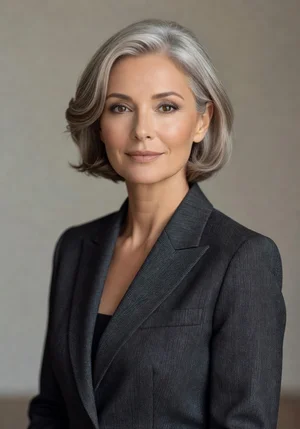
Makeup on mature skin is a completely different game than makeup in your twenties.
What worked before doesn't work now. Heavy foundation settles into fine lines. Powder makes skin look dry. Dark eyeliner can look harsh instead of dramatic. And those Instagram makeup techniques? Most of them add years instead of taking them away.
I spent way too long figuring this out through trial and error. Bought products that promised to be perfect for mature skin but made me look overdone. Tried techniques from beauty influencers who were half my age. Nothing quite worked until I started using AI makeup tools designed specifically for mature skin.
These tools understand what actually flatters aging skin. They suggest enhancement that looks fresh and natural, not like you're trying too hard or covering something up. Lighter application, strategic placement, products that work with your skin texture instead of fighting it.
Let me show you what actually works for makeup on mature skin and how AI tools help you avoid the common mistakes.
What Changes with Mature Skin
Your skin texture changes as you age, which means your makeup approach has to change too.
Skin gets drier. That means matte products that looked great before now emphasize texture and make you look older. You need moisture and a bit of glow, not a completely matte finish.
Fine lines and wrinkles become more visible. Heavy products settle into these lines, making them more noticeable. Lighter formulas applied strategically work way better.
Skin tone becomes less even. You might have age spots, redness, or areas of discoloration. But covering everything with full coverage foundation makes you look older. Targeted correction plus sheer coverage is the move.
Facial features change shape slightly. Your lips might be thinner. Eyelids might be more hooded. Cheeks might lose volume. Makeup techniques that worked with your younger face structure don't necessarily work now.
AI makeup tools factor all of this in. They analyze your current skin and suggest what will actually enhance your features now, not what would have worked twenty years ago.
Foundation That Doesn't Settle
The number one mistake I see with mature skin makeup? Too much foundation, too heavy, too matte.
Heavy coverage emphasizes every line and texture. You think you're covering imperfections, but you're actually drawing attention to skin texture.
AI makeup tools often suggest lightweight, hydrating foundations or tinted moisturizers. You get light coverage that evens out tone without looking like a mask.
The key is strategic coverage. Full coverage only where you actually need it, like on age spots or redness. Sheer coverage everywhere else. AI can show you what this looks like before you apply anything.
Dewy or satin finishes almost always look better on mature skin than matte. They catch light in a flattering way and make skin look healthy and fresh.
Skip powder where you can. If you need it for shine control, use it only in your T-zone with a very light hand. Powder all over mature skin looks dry and aging.
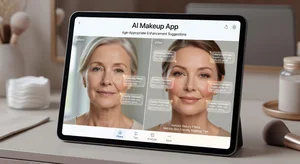
Eye Makeup That Opens, Not Weighs Down
Eye makeup is tricky with mature skin because the eyelid area changes significantly.
Hooded lids become more common. Heavy eyeshadow in the crease gets hidden and can make eyes look smaller and more tired. AI tools suggest placing color higher, where it's actually visible when your eyes are open.
Dark eyeliner all around your eyes usually makes them look smaller as you age. Instead, try lighter colors on the lower lash line or skip it entirely. Focus liner on the upper lash line only.
Shimmer and glitter in eyeshadow can emphasize crepey eyelid texture. AI often recommends satin finishes instead. They add dimension without highlighting texture.
Mascara matters more than eyeshadow as you age. Good lashes open up the whole eye area. Focus your effort there rather than on complicated eyeshadow looks.
For brows, AI typically suggests softer filling than harsh lines. Brows naturally thin with age, but heavy drawn-on brows look unnatural. Feathery, natural-looking filling works better.
Lip Color That Adds, Not Ages
Lip makeup changes completely with mature skin.
Very dark or very bright lipstick can be aging. Not because older women shouldn't wear bold colors, but because application has to be precise when lips lose definition. Bleeding and feathering show up more.
AI often suggests slightly softer versions of bold colors. You still get impact without the harsh contrast that can age you.
Matte liquid lipsticks are generally a bad idea for mature lips. They emphasize every line and dry out already dry lips. Creamy or satin formulas look way better.
Lip liner becomes more important to prevent feathering, but it should match your lipstick closely. The obvious lip liner outline from the 90s is very aging.
A touch of gloss or sheen in the center of your lip can make them look fuller without obvious plumping products.
Nude lipstick is tricky. It can wash you out if it's too close to your skin tone. AI helps you find nude shades with enough color to define your lips without looking bold.
Blush and Contour for Structure
Mature skin often loses some facial volume, which means strategic color placement really matters.
Blush should go on the apples of your cheeks and blend up toward your temples. This creates a lifting effect. Blush too low on your face can drag features down.
Cream blushes work better than powder on mature skin. They blend more naturally and don't emphasize texture.
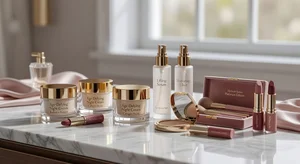
Contouring on mature skin should be subtle. Heavy contour can look muddy and emphasize texture. A soft contour along the cheekbones and jawline can add structure without looking obvious.
AI tools are great at showing you exactly where to place blush and contour for your specific face shape and age. What worked in your thirties might need adjustment in your fifties.
What AI Actually Helps With
AI makeup tools designed for mature skin do a few specific things really well.
They show you lighter application. You can see what minimal foundation looks like versus full coverage. Usually minimal wins.
They help you find your undertone accurately. Skin tone can shift as you age. Makeup that matched before might not match now. AI analysis helps you recalibrate.
They suggest age-appropriate color palettes. Not boring colors, just colors that enhance rather than overwhelm mature features.
They show you different product finishes. See dewy versus matte, cream versus powder, and decide what actually looks better on your skin right now.
Most importantly, they let you experiment without buying products. Try looks virtually, see what works, then shop for only the products you'll actually use.
Products Worth Investing In
Not all makeup is created equal for mature skin.
Primer makes a big difference. Get one that's hydrating and smoothing. It helps makeup sit better and last longer without settling into lines.
A good lightweight foundation or tinted moisturizer is essential. Worth spending more for a formula that actually works with your skin.
Cream products generally work better than powder. Cream blush, cream highlighter, even cream eyeshadow. They blend more naturally into mature skin.
Quality mascara and brow products matter more than elaborate eyeshadow palettes. Focus your budget there.
Hydrating lipsticks in flattering shades are worth the investment. You'll wear them constantly.
Common Mistakes to Avoid
I've made all of these mistakes. AI tools helped me stop.
Using the same makeup routine from ten years ago. Your skin changed. Your makeup has to change too.
Over-powdering to control shine. This makes mature skin look dry and emphasizes texture.
Heavy concealer under eyes. It settles into fine lines and actually makes dark circles more noticeable. Light concealer, properly blended, works way better.
Ignoring skincare under makeup. Makeup sits better on well-moisturized skin. Don't skip your skincare routine.
Trying to look twenty. The goal is to look like a great version of your current age, not a younger person. That shift in mindset makes a huge difference.
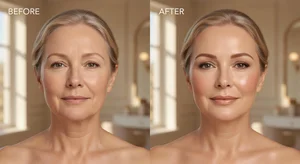
Building Your Routine
Start with AI recommendations to find products and techniques that work for your mature skin.
Focus on skin prep. Moisturize, prime, let products sink in. This foundation matters more than the makeup itself.
Apply foundation strategically, not everywhere. Spot conceal where needed.
Add warmth back to your face with cream blush. Mature skin can look washed out, so this step is important.
Define your eyes with good mascara and natural brow filling. Skip complicated eyeshadow unless you enjoy it.
Finish with a flattering lip color. This pulls the whole look together.
The entire routine should take ten to fifteen minutes max. If it takes longer, you're probably doing too much.
Looking Fresh, Not Overdone
The goal with mature skin makeup isn't to cover everything or look perfect. It's to look fresh, awake, and like yourself.
AI tools help you find that balance. They suggest enhancement without excess. Natural glow without looking greasy. Definition without harsh lines.
Your skin at forty-plus is different than it was at twenty. But different doesn't mean worse. It just means your approach has to evolve. The right products and techniques make mature skin look healthy, vibrant, and beautiful.
Stop fighting your skin with heavy makeup. Start working with it using the right tools and techniques. AI can show you exactly what that looks like on your face specifically.
You'll look better and feel more confident. And you'll stop wasting money on products that don't actually work for mature skin.