
Makeup for Skin Tones: AI Color Matching Guide | Cliptics
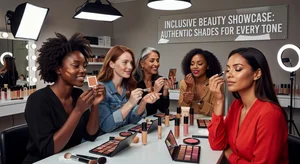
I bought seven foundations before finding one that actually matched my skin tone.
The lighting in stores makes everything look different than real life. Swatches on your wrist don't predict how products look on your face. Shade descriptions like "medium tan" or "warm beige" mean nothing consistent across brands.
The AI makeup try on tool changed this completely. Upload your photo, test shades virtually, see exactly what matches before spending money on products that won't work.
Understanding Undertones Changes Everything
Most people pick foundation based on surface color. Light, medium, dark. But undertone matters more than depth.
Cool undertones have pink or blue bases. Warm undertones lean yellow or golden. Neutral undertones mix both.
Wearing the wrong undertone makes your skin look gray or orange even if the depth seems right. Foundation that's slightly too light but matches your undertone looks better than perfect depth with wrong undertone.
Testing this virtually shows you immediately if a shade pulls the wrong direction on your specific skin. You see the mismatch before buying.
I have olive undertones which most brands ignore. They offer pink cool or yellow warm. Olive sits in between with green undertones. Finding this out through virtual testing saved me from continuing to buy foundations that looked slightly off.
Why Store Lighting Lies
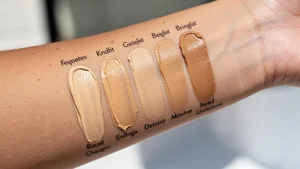
Fluorescent lights in drugstores make everything look different. Warm lighting in department stores changes how colors appear.
You swatch a foundation that looks perfect in the store. Get home, check it in natural light, completely wrong.
Natural daylight shows true color. But you can't take products outside before buying. Virtual try on solves this by showing products on your photo taken in good lighting.
The AI virtual try on eliminates lighting variables. Test products in the same lighting conditions where you'll actually wear the makeup.
Deep Skin Tones Face Specific Challenges
Brands expanded shade ranges but many still stop at medium deep. Truly deep skin tones get limited options.
Even when deep shades exist, undertone variety lacks. Lots of brands offer one or two deep shades total. Doesn't account for the undertone diversity within deep skin tones.
Finding foundation becomes hunting for the rare brand offering multiple deep options with different undertones. Then hoping one actually matches.
AI color matching helps by showing which existing shades work for your specific deep tone and undertone. Narrows your search instead of testing everything hoping something fits.
Ashy undertones on deep skin need specific formulations. Many foundations oxidize darker after application. Virtual preview can't show oxidation but helps eliminate obvious mismatches upfront.

Olive and Neutral Tones Get Overlooked
Most foundation lines assume everyone is clearly warm or clearly cool. Olive and neutral undertones fall between categories.
Olive skin has green undertones. Can look warm in some lighting, cool in others. Standard warm shades look orange. Cool shades look pink. Nothing quite works.
Neutral undertones blend warm and cool. These skin tones can sometimes wear both warm and cool shades but perfect matches are rare.
Brands slowly adding olive and neutral specific shades but selection still limited compared to warm and cool options.
Testing virtually helps identify which standard shades lean close enough to work. Sometimes a specific brand's warm shade actually works for olive because their formula happens to have less orange pigment.
Lipstick Colors and Skin Tone Harmony
Foundation matching gets attention but lipstick shade selection matters just as much for overall color harmony.
Berry and plum tones flatter cool undertones. Coral and peach work better on warm undertones. Neutral undertones can wear both directions but some shades will look more natural.
Deep skin tones look incredible in rich saturated lip colors. Nudes need to be deep enough to show up without looking ashy.
Light skin tones need to balance intensity. Very bright reds can overwhelm. Softer tones often work better.
The AI hair color changer helps you coordinate lip color with hair color too. Certain hair colors make specific lip shades more or less flattering.
Testing lipstick virtually prevents buying beautiful colors that look wrong on your specific coloring.
Blush and Bronzer Placement
Right products in wrong shades create obvious makeup instead of enhanced features.
Blush should mimic your natural flush color. Cool toned skin flushes pink. Warm toned skin flushes peach or coral.
Using warm blush on cool skin looks muddy. Cool blush on warm skin looks artificial.
Bronzer needs to be only a shade or two deeper than your skin. Too dark looks dirty. Too light does nothing.
Deep skin tones need bronzers with enough pigment to actually show up. Many bronzers marketed as universal disappear on deep skin.
Virtual testing shows if blush and bronzer shades create natural dimension or obvious stripes.
Eyeshadow Color Theory
Eyeshadow offers more creative freedom than face products but complementary theory still applies.
Cool undertones: purples, silvers, cool browns. Warm undertones: golds, coppers, warm browns. Neutral can wear everything but some shades will harmonize better.
Deep skin tones can wear super vibrant eyeshadow that would overwhelm lighter skin. Rich jewel tones look stunning.
Light skin tones need to build intensity gradually. Start subtle, add more if desired.
Eye color affects what shadows flatter. Brown eyes look great in almost everything. Blue eyes pop with copper and warm tones. Green eyes love purples and plums.
Testing shadow colors virtually shows if a shade enhances or competes with your natural coloring.
The Seasonal Color Myth
Seasonal color analysis says your skin tone fits into spring, summer, autumn, or winter categories with specific flattering colors.
This works as general guidance but it's not absolute law. Some spring tones can wear autumn colors successfully.
The framework helps narrow options but don't reject a color just because it's outside your assigned season. Virtual testing lets you try anything and see what actually works regardless of theory.
I'm supposedly a winter but some autumn colors look great on me. Would never have known if I'd strictly followed seasonal rules.
Finish Matters Beyond Color
Matte finish minimizes texture and oil. Dewy finish creates glow but emphasizes texture.
Dry skin types look better in dewy formulas. Oily skin needs matte or it gets shiny fast.
Deeper skin tones often prefer dewy finish because it prevents ashy appearance. Matte can look flat on deep skin without enough dimension from other products.
Color match and finish both affect final appearance. Same shade in matte versus dewy can look noticeably different.
Brand Shade Inconsistency
Medium in one brand doesn't equal medium in another brand. Every company has different shade naming and numbering.
You're not the same shade across all brands. Your perfect match in one line might be shade 4. Different brand you might be shade 7.
This makes recommendations from friends less useful than they seem. Someone with similar coloring uses shade 3 successfully doesn't guarantee that shade works for you even in the same brand.
Virtual testing accounts for brand specific formulation. Shows how that specific product looks on you rather than relying on generic shade descriptions.
Makeup for Different Occasions
Your perfect everyday foundation might not work for photography or video.
Flash photography can cause flashback with certain formulas. SPF in foundation often creates white cast in photos.
HD cameras pick up texture that normal vision doesn't notice. Products that look smooth in person might emphasize pores on camera.
Testing makeup virtually for photos means uploading a photo taken in similar lighting to where you'll be photographed. Helps predict how products perform in that specific context.
Professional events might call for more polished fuller coverage. Casual weekend might need lighter more natural products. Same person, different shade intensity for different situations.
Color Correcting for Specific Concerns
Redness needs green corrector. Dark circles need peach or orange corrector depending on depth. Sallowness needs lavender corrector.
These go under foundation to neutralize discoloration. But only if you choose the right corrector shade for your specific concern and skin tone.
Too much color correction looks obvious. Not enough doesn't solve the problem.
The AI eye color changer can help you visualize how correcting dark circles affects your overall eye area appearance before adding products.
My Color Matching Process
I take photos in natural daylight showing my full face clearly.
Upload to virtual try on tool. Test 10 to 15 foundation shades from different brands in my general depth range.
Narrow to top three that look most natural. Check those in different lighting if possible.
Read reviews from people with similar skin tone about oxidation and wear time.
Buy one. Test in real life. If it works, great. If not, I've eliminated that shade virtually so I know what direction to adjust.
This beats randomly buying foundations hoping one works. Virtual testing makes the process strategic instead of expensive trial and error.
Color matching isn't about finding the perfect product. It's about understanding your unique undertone and depth so you can identify which products will work across any brand. Virtual AI tools make that understanding accessible without spending hundreds on wrong shades first.