
Men's Hairstyle Changer: Professional to Casual Looks | Cliptics

Showing up to a Monday morning meeting with a questionable weekend haircut is something I learned to avoid the hard way.
Your hairstyle directly impacts how people perceive you professionally. A sharp business cut communicates competence and attention to detail. A relaxed casual style signals approachability and creativity. Knowing which to choose for different situations matters.
The AI mens hairstyle changer lets you preview both ends of that spectrum without actually cutting your hair. You see exactly how a polished corporate look or laid back weekend style would work with your face shape and features.
Why Professional Men Need Style Flexibility
The guy who only has one hairstyle for all occasions limits his effectiveness.
Board meeting at 10am, happy hour at 6pm, kid's soccer game Saturday morning. These situations call for different energy levels and the hairstyle you wear affects how comfortable you feel in each.
I used to keep my hair short and corporate all the time. Safe choice, never looked out of place at work. But weekends felt stiff. Casual settings where everyone else looked relaxed and I still had the office haircut going.
Testing casual styles virtually showed me what actually worked outside the boardroom. Longer on top with textured layers. Still professional enough for client dinners but way more adaptable for everything else.
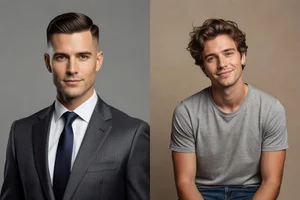
Professional Hairstyles That Actually Work
Classic short back and sides never goes out of style in corporate environments. Clean, controlled, low maintenance. Signals you've got your act together.
The modern executive cut keeps length on top for versatility. You can style it slicked back for formal meetings or with texture for less formal days. One haircut, multiple looks.
Business professionals often default to ultra short cuts because they're easy. Clipper number two all over. Works fine but leaves zero room for style variation.
The AI hairstyle changer helps you find the sweet spot between too conservative and too casual. Preview different professional lengths and styles on your actual face before booking that haircut appointment.
Tapered sides with 2 to 3 inches on top gives you options. Style it neat and structured for important meetings. Let it fall more naturally for regular workdays. Same haircut, different styling approaches.
Transitioning to Casual Looks
Moving from professional to casual hairstyle doesn't mean growing it out forever and looking unkempt during the awkward phase.
Strategic length in the right places creates casual vibes while still looking intentional. Longer fringe, textured top, softer edges instead of hard lines.
Guys who work remote full time can lean more casual. But if you're hybrid or occasionally meeting clients face to face, you need something that reads professional when styled but casual when left alone.
I tested this with my own hair. Grew the top longer while keeping sides manageable. Styled with product for video calls, air dried and tousled for everything else. The AI beard filter also helped me preview how facial hair would balance the more casual hair length.
Face Shape Considerations
Not every professional or casual style works for every face.
Round faces benefit from height on top to elongate. Short sides, volume up top. Creates better proportions than keeping everything the same length.
Square faces with strong jawlines can handle more dramatic styles both ways. Sharp corporate undercuts or longer casual surfer hair. The angular structure supports bold choices.
Longer faces need width more than height. Styles that add volume at the sides work better than slicked back looks that emphasize length.
Testing different styles virtually eliminates the guesswork. You see immediately if a style balances your features or makes proportions worse.

Styling Products and Maintenance
Professional styles typically need product. Pomade for shine and control, matte paste for textured looks, gel for structured styles that won't move.
Casual styles often look better with minimal product or none. Natural texture, slight messiness, more forgiving if you just towel dry and go.
The difference in morning routine matters. High maintenance corporate cut requires 10 minutes of blow drying and styling every single day. More casual length might need product twice a week.
Consider your actual lifestyle. If you genuinely don't want to spend time styling hair every morning, previewing low maintenance options saves frustration later.
The Awkward Growth Phase
Growing from short professional to longer casual means dealing with that in between stage where nothing looks quite right.
Most guys give up and cut it short again before reaching the length they actually want. The middle weeks feel messy and uncontrolled.
Getting regular trims during growth helps. You're adding length overall but cleaning up the neck and edges so it doesn't look sloppy. Barber keeps the shape intentional while you work toward the longer goal.
Virtual preview helps here too. Seeing what the end result will look like motivates you through the awkward phase. You know it's going somewhere good instead of just getting progressively worse.
Professional Settings and Hair Length
Some corporate cultures have strict grooming standards. Finance, law, traditional industries often expect conservative appearance.
Other fields like tech, creative, startups care way less. Longer hair, bolder styles, even unusual colors fly without issue.
Know your environment before making dramatic changes. The AI headshot generator can help you test how different styles photograph for professional profiles and LinkedIn.
If you're changing industries or starting a new role, preview what's appropriate before showing up day one with an unexpectedly casual look.
Weekend Versus Weekday Styling
Same haircut styled two different ways solves the flexibility problem without actually changing length.
Weekday morning: blow dry with product, structured and neat. Weekend: air dry, run fingers through it, done in 30 seconds.
This only works if your haircut has enough length and texture to be styled multiple ways. Super short cuts look the same regardless. Longer versatile cuts adapt.
Testing this virtually saves the trial and error of growing hair out hoping it'll work. You see beforehand if the casual unstyled version still looks intentional or just looks like you forgot to do your hair.
Color and Gray Coverage
Professional environments usually call for natural hair color. Gray coverage if you want it, nothing that screams attention.
Casual settings give more freedom. Highlights, subtle color variation, even letting gray come in naturally without worrying about coverage.
I've seen guys make the mistake of getting creative with color in conservative workplaces. Looked great personally but created unwanted conversations at work.
If you're considering color changes along with style changes, preview the full package together. Hair color affects how styles read professionally or casually.
Making the Decision
Test multiple options virtually before committing. Professional styles, casual styles, everything in between.
Screenshot your favorites. Take them to your barber with photos of your actual face. Discuss what's realistic with your hair type and maintenance willingness.
Hair grows back, but it takes time. Getting it right the first attempt beats spending months regretting a bad choice or waiting through awkward growth.
The real benefit of trying styles virtually isn't avoiding one bad haircut. It's understanding what actually works for your face, your lifestyle, and the different situations you navigate.
Professional to casual isn't just about hair length. It's about having the flexibility to look appropriate everywhere you need to be. Office, casual Friday, weekend activities, date night. One versatile cut styled different ways beats having the wrong style for half your life.