
Natural Makeup Looks: AI Enhancement Without Overdoing It | Cliptics
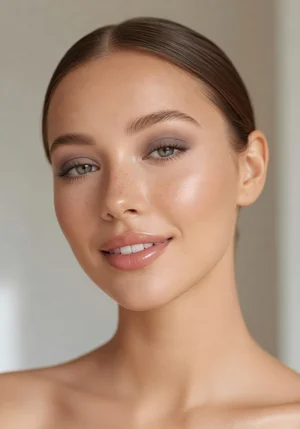
The goal of my everyday makeup is to look like I'm not wearing makeup.
Not because makeup is bad. I just want to look like a slightly better version of myself, not like I'm wearing a mask. Fresh, awake, put together. But natural.
Getting that balance right is harder than it sounds. Too little and you might as well skip makeup entirely. Too much and you've defeated the purpose. AI makeup tools have gotten really good at helping you find that sweet spot where enhancement looks effortless.
These tools show you exactly how much is too much. You can dial enhancement up or down until it hits that perfect natural level. What looks good in person, what translates well on video calls, what holds up in different lighting.
Let me show you how to actually achieve natural-looking makeup that enhances without being obvious.
What Natural Actually Means
Natural makeup doesn't mean no makeup. It means makeup that enhances your features without drawing attention to itself.
Your skin should look like skin, not like foundation. A bit more even, maybe slightly glowing, but still textured and real.
Your features should look defined but not dramatically different. Eyes a bit more awake, lashes slightly darker, brows filled but not drawn on.
Color should enhance your natural tones, not contrast with them. Blush that mimics a natural flush, lip color close to your actual lip shade but better.
The whole look should hold together in a way that reads as "she looks nice today" not "she's wearing makeup."
AI tools help by showing you when you've crossed from enhancement to obvious makeup. That line is subtle, and seeing it visually makes a huge difference.
Foundation: Less Is Everything
The biggest mistake with natural makeup is too much base product.
Full coverage foundation immediately reads as makeup. You want something sheer that evens out tone without covering everything.
Tinted moisturizer or light coverage foundation works better. Mix it with moisturizer if you need even lighter coverage. The goal is skin that looks like better skin, not painted.
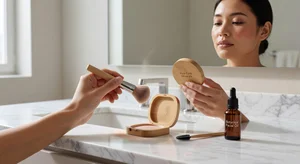
Skip foundation where you don't need it. Maybe you just need it on redness or uneven areas. Your cheeks might be fine bare. AI previews show you what targeted application looks like versus all-over coverage.
Concealer matters more than foundation for natural makeup. Good concealer under eyes and on spots gives you the coverage you need without the heavy base everywhere.
Finish is crucial. Dewy or satin always looks more natural than matte. Skin has natural moisture and glow. Completely matte looks artificial.
Eyes: Define Don't Transform
Eye makeup for a natural look is about definition, not color or drama.
Neutral eyeshadow, if any. Taupe, soft brown, or nothing at all. Just enough to add dimension without being obviously colored.
Eyeliner should be subtle or skipped. If you use it, keep it close to the lash line and smudged, not a sharp line. Brown instead of black often looks more natural.
Mascara is where you can add more. Well-defined lashes open up your eyes without looking made up. One coat is usually enough. Clumpy mascara or false lashes don't read as natural.
Brows need to look filled, not drawn. Use light strokes that mimic hair. The goal is fuller brows, not a different brow shape.
AI tools show you when eye makeup tips from enhancement to obvious. That tipping point varies by person, but seeing it on your actual face helps you calibrate.
Lips and Cheeks: Your Color But Better
Blush should look like natural color in your cheeks, just better.
Cream or liquid blush blends more naturally than powder. It sinks into skin instead of sitting on top.
The color should be close to your natural flush. Peachy, pink, or rosy tones depending on your undertones. Nothing bright or dramatic.
Placement matters. Apples of cheeks blending up toward temples looks most natural. Too low or too high looks applied.
For lips, you want a your-lips-but-better shade. Usually one or two shades deeper than your natural lip color.
Glossy or satin finishes look more natural than matte. Your lips have natural moisture. Completely matte lips read as obviously made up.
Lip liner should match your lipstick exactly if you use it. Obvious liner around the edges defeats the natural look.
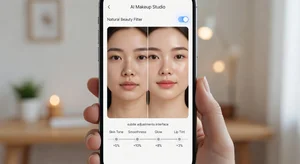
What AI Actually Shows You
AI makeup tools let you see natural enhancement before you apply anything.
You can test different coverage levels. See what light foundation looks like versus full coverage. Usually lighter wins for natural looks.
Try different blush placements and intensities. See when it crosses from subtle to obvious.
Test lip colors to find your perfect nude that actually has enough color to define your lips.
Preview the whole look in different lighting. Natural makeup that works in soft indoor lighting might look too heavy or too invisible in bright outdoor light. AI previews help you find the balance.
Most importantly, you can see what "less" actually looks like. When you're used to wearing more makeup, natural feels like nothing. AI shows you that subtle enhancement still has impact.
The Minimal Product List
Natural makeup doesn't require a lot of products.
A good tinted moisturizer or light foundation. This is your base.
Concealer for spots and under eyes. More important than foundation for natural looks.
One neutral eyeshadow or none at all.
Mascara. This is non-negotiable for natural makeup that still has definition.
Brow product to fill lightly. Powder or pencil, whatever you prefer as long as application is soft.
Cream blush in a natural tone.
A your-lips-but-better lip color. Tinted balm, sheer lipstick, or lip stain.
That's it. Seven products max, and you could skip a couple depending on your features.
Where People Go Wrong
I see the same mistakes constantly with natural makeup attempts.
Using too much product. The whole point is minimal. If you're applying the same amount as a full makeup look, it won't look natural even if the colors are neutral.
Skipping skin prep. Natural makeup shows texture more than full coverage. Your skin needs to be moisturized and primed or the makeup sits weird.
Matching makeup to your outfit instead of your face. Natural makeup should work with your coloring, not your clothes.
Overdoing one feature. You can't do bold brows AND dramatic lashes AND heavy blush and call it natural. Pick one thing to slightly emphasize, keep everything else subtle.
Using the wrong finish. Matte screams makeup. You need some glow and moisture for skin to look real.
Video Call Reality
Natural makeup is perfect for video calls because it enhances without looking overdone on camera.
Cameras tend to wash you out, so some definition helps. But full makeup looks heavy and obvious on video.
Focus on eyes and brows. These frame your face on screen and make you look alert.
Add blush even if you usually skip it. Cameras flatten features, so that color brings life back to your face.
A natural lip color with slight gloss catches light nicely without being distracting.
AI tools are great for video call makeup because you can preview how it looks on camera before your meeting. See if you need more or less to look natural on screen.
Different Lighting Needs
Natural makeup that works in one lighting might fail in another.
Indoor office lighting tends to be harsh and flat. You might need slightly more color to look alive. But it also shows texture, so keep base products light.
Outdoor natural light is the most forgiving for truly natural makeup. You can get away with very minimal product and still look enhanced.
Evening or low light requires a bit more definition since everything gets muddier. But you still want to stay in natural territory, just slightly stronger application.
Test your natural makeup in different lighting if possible. Or use AI previews that simulate different light conditions.
Building Your Technique
Start with less than you think you need. You can always add more.
Blend everything thoroughly. Harsh lines and obvious edges ruin the natural effect.
Use your fingers for cream products when possible. They warm up product and press it into skin naturally.
Layer sheer products instead of applying one thick layer. This builds coverage that still looks like skin.
Set only where needed with powder. T-zone maybe, but not your whole face.
Check your makeup in natural light before you leave home. It's the most honest lighting for seeing if your natural look actually looks natural.
Why This Approach Works
Natural makeup done right makes you look better without anyone knowing why.
People think you just look well-rested, healthy, put together. They don't think "nice makeup" because they don't register that you're wearing any.
It works in all settings. Professional, casual, formal. Natural enhancement is always appropriate.
It's quick once you get your technique down. Five to ten minutes max because you're not doing elaborate eyeshadow or contouring.
It ages well. Natural makeup looks better throughout the day than heavy makeup that settles or fades unevenly.
And AI tools make the learning curve way shorter. Instead of figuring out natural makeup through trial and error, you can preview what works before you buy products or waste time on techniques that won't look right on you.