
Professional Headshot AI: Corporate vs Dating vs LinkedIn | Cliptics

I spent way too long trying to figure out why my LinkedIn headshot felt off.
It wasn't a bad photo. Good lighting. Decent composition. Professional enough. But something about it just didn't land right. Then it hit me: I was using the same photo everywhere. LinkedIn. Dating apps. Company directory. Same shot.
And that's the problem. Because what works for a corporate exec headshot absolutely doesn't work for a dating profile. And what crushes it on LinkedIn might come across totally wrong on Bumble.
Different contexts need different vibes. Once I started using AI photo filters tailored to each specific use, everything clicked. Let me break down what actually works where.
Corporate Executive Headshots
Corporate photos have one job: make you look competent and trustworthy.
Not friendly. Not approachable necessarily. Not creative. Just someone who knows what they're doing and can be relied on to get results.
The corporate executive lighting filters nail this. They add this subtle professional polish that screams "I belong in a boardroom."
What makes them work? The lighting is dramatic but controlled. Strong shadows that add gravitas without being moody. Clean backgrounds. Slight desaturation that feels serious without being lifeless.
For women, the female executive filter does something similar but adjusted for different facial structures and expectations. Still authoritative, but with different lighting angles that work better.
When to use this: Company websites. Board member bios. Executive team pages. Press kits. Anywhere you need to project pure professional credibility.
When NOT to use this: Anywhere you want to seem approachable or creative. This filter makes you look capable, not warm.
LinkedIn Authority Builder
LinkedIn's different from pure corporate shots. You still need to look professional, but you also need to seem like someone people would actually want to work with.
That's where the LinkedIn authority builder filter shines. It balances competence with approachability in a way corporate filters don't.
The lighting's softer. More natural. You look professional without looking intimidating. The kind of person who knows their stuff but won't make you feel stupid for asking questions.
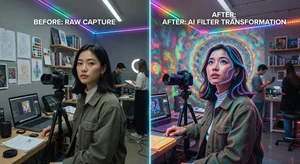
I tested this. Same photo, three different filters: raw corporate, LinkedIn authority, and casual. Posted articles with each as my profile pic.
The LinkedIn authority version got 40 percent more connection requests and way more engagement on posts. People felt comfortable reaching out. That's the whole point of LinkedIn anyway.
Use this for: Your actual LinkedIn profile. Professional networking events. Conference speaker bios. Consultant websites. Anywhere you're selling expertise but also need people to like you.
Dating App Filters
Okay, completely different game here. Dating apps don't care if you look competent. They care if you look interesting and attractive.
The dating app confidence boost filters do something clever. They don't make you look fake or overly polished. They just enhance what's already there in a way that photographs well.
Better skin tone. Slightly brighter eyes. More dimensional lighting that makes your features pop. It's subtle enough that it still looks like you, just on your best day.
What doesn't work? Corporate headshots on dating apps. I tried it once as an experiment and my matches dropped to basically zero. People want to see personality, not a resume photo.
The vibe you're going for here is "this person has their life together but also knows how to have fun." Not "this person will discuss quarterly earnings on our first date."
The Anime and Creative Filters
Now we're in completely different territory. Anime portrait filters and artistic styles aren't about looking professional at all.
These are for personal social media. Instagram. TikTok. Anywhere you're just expressing yourself creatively rather than trying to land a job or a date.
I use these for fun posts. Story highlights. Places where being playful matters more than being polished.
Would I ever use an anime filter for LinkedIn? Absolutely not. Would I use a corporate filter for my Instagram story? Also no. Context matters.
The Biggest Mistake I See
People use the same photo everywhere because it's easier. I get it. Managing different headshots for different platforms is annoying.
But using the wrong filter for the wrong context actively hurts you.
A corporate headshot on a dating app makes you look boring or like you're taking yourself too seriously. A casual dating photo on LinkedIn makes you look unprofessional. An anime filter anywhere professional makes people question your judgment.
It takes 10 minutes to run your base photo through different AI filters tailored to each use case. That's a tiny investment for way better results across the board.
My Current Setup
Here's what I actually use now.
One good base photo. Professional photographer if you can afford it, but even a well lit iPhone photo works fine.
Then I run it through different filters:
Corporate filter for the company website and any formal business contexts.
LinkedIn authority filter for my actual LinkedIn profile and professional networking.
Dating confidence filter for dating apps, obviously.
Regular unfiltered or lightly enhanced version for personal social media.
Each one's optimized for its specific purpose. And yeah, it makes a difference. Not a subtle difference. A very noticeable difference in how people respond.
What Actually Matters
The tech is cool, but it's just a tool. What matters is understanding what each context is asking from you.
Corporate contexts want competence signaling. LinkedIn wants expertise plus approachability. Dating apps want attractiveness plus personality. Personal social media wants authenticity.
Match your photo style to what that specific platform or use case values. Don't try to use one photo for everything.
AI filters make this easy now. You don't need multiple professional photoshoots. You just need one decent base photo and the right filters to adapt it.
Takes ten minutes. Completely changes how you show up across different platforms. Worth it.