
QR Code Generator Guide for Business Marketing in 2026 | Cliptics
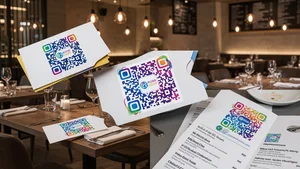
I walked into a coffee shop last week and noticed something. The menu was a QR code. The loyalty card was a QR code. The tip jar had a QR code. The wifi password? You guessed it. QR code.
Five years ago that would have felt excessive. Today it just feels normal. And honestly, as someone who works with small businesses on their marketing, I think most of them are still barely scratching the surface of what these little squares can actually do.
So let me walk you through what's working right now in 2026. Not theory. Not hype. Just practical strategies I've seen businesses use to drive real results with QR codes. Whether you run a restaurant, plan events, manage a retail store, or handle marketing for any kind of business, there's something here for you.
Why QR Codes Actually Stuck Around This Time
Remember 2012? Everyone slapped QR codes on everything and nobody scanned them. You needed a special app, half the time the codes led to broken pages, and the whole experience was terrible.
Fast forward to now and three things changed everything. Phone cameras natively read QR codes without any app. The pandemic made scanning codes a daily habit for billions of people. And marketers finally learned to put them in places where they actually make sense.
The result? Global QR code interactions grew over 400% between 2022 and 2025. That's not a small bump. That's a fundamental shift in how people interact with physical marketing materials.
And here's the part I find most interesting: it's the small businesses, not the big corporations, who are finding the most creative uses.
Restaurant QR Codes: Way Beyond the Menu
If you own a restaurant, you probably already have a QR code menu. That's table stakes now. But the businesses pulling ahead are using QR codes in ways that surprised me.
One taco truck I work with puts a QR code on every wrapper. Scan it and you get a 30 second video of the chef making that exact dish. It's basically free content marketing. Customers film themselves scanning it, share the video on Instagram, and the truck gets organic reach without spending a dollar on ads.
Another restaurant uses QR codes on table tents that link to a quick "rate your meal" form. Not a full review platform. Just three taps: great, good, or needs work. They catch bad experiences before they become one star Google reviews. Smart, right?
Here's what I'd recommend for any food business:
Put a QR code on receipts that links to your loyalty program signup. People are already holding the paper. Conversion rates are surprisingly high because the timing is perfect.
Use a QR code maker to create branded codes that match your restaurant's visual identity. Generic black and white squares look cheap. A code with your brand colors and logo actually looks intentional.
Set up a WiFi QR code for your guest network. No more printing passwords on receipts. Customers scan once and they're connected. It feels smooth and modern.
Event Marketing: QR Codes That Do the Heavy Lifting
Events are where QR codes truly shine because there's a natural gap between "I'm interested" and "I'll follow up later." QR codes bridge that gap instantly.
I helped plan a local business expo last month. Every vendor booth had a QR code that linked to a digital business card with contact info, social links, and a portfolio preview. We used a vCard QR code generator and the feedback was overwhelmingly positive. Attendees didn't have to juggle 40 paper business cards. They just scanned the ones they cared about.
Conference speakers are doing something clever too. They put QR codes on their closing slides that link directly to their slide deck, related resources, or a signup form. The audience scans while the content is fresh. Way better than saying "I'll email the slides later" and having everyone forget.
For concerts and festivals, QR codes on wristbands can link to artist playlists, exclusive merch discounts, or photo galleries from the event. It transforms a disposable wristband into a digital touchpoint that keeps working after the event ends.
Retail and Product Packaging Ideas
Product packaging is probably the most underused QR code real estate in business. Think about it. Your customer is literally holding your product. They already bought it. They already trust you. A QR code at this moment has way more power than one on a billboard they drive past at 60 miles per hour.
Some ideas I've seen work really well:
A clothing brand puts QR codes on tags that link to styling guides showing how to pair that specific piece. It reduces returns because people see how to wear it properly, and it increases upsells because those guides feature other items from the collection.
A skincare company links their QR codes to ingredient breakdowns and tutorial videos. Their customers tend to research products heavily, so giving them easy access to detailed information builds trust.
A craft brewery prints QR codes on cans that link to tasting notes, food pairing suggestions, and the story behind that particular brew. It turns a casual purchase into a branded experience.
The key insight? The QR code isn't the marketing. It's the bridge to the marketing. What happens after the scan is what matters.
Making QR Codes That Actually Get Scanned
Here's where most businesses mess up. They create a QR code, slap it somewhere, and wonder why nobody scans it.
After working on dozens of QR campaigns, I've noticed a clear pattern in what works.
First, tell people what they'll get. "Scan for menu" works. A random QR code with no context does not. People need a reason. "Scan for 15% off your next visit" is even better. Be specific about the value.
Second, size and placement matter more than you think. A QR code should be at least 2 centimeters by 2 centimeters for close up scanning. For posters or signs people view from a distance, go bigger. I've seen codes on billboards that were too small to scan from the sidewalk. Total waste.
Third, test every single code before you print it. I cannot stress this enough. Print it, scan it with three different phones, make sure the landing page loads fast on mobile. A QR code that leads to a 404 page or a desktop only website does more harm than having no code at all.
Fourth, use dynamic QR codes when possible. These let you change where the code points without reprinting anything. Launched a campaign with a typo on the landing page? Fix the page, not the code. Running a seasonal promotion? Update the destination URL. Dynamic codes save you from expensive reprints.
Tracking and Measuring What Works
One of the biggest advantages of QR codes over traditional print marketing is trackability. Every scan can be measured.
Most QR code generators, including the free tools on Cliptics, give you basic scan analytics. How many scans. When they happened. What devices were used. Geographic data.
That information is gold for small businesses. You can figure out which physical locations drive the most engagement. You can see what time of day people scan most and align your staffing or promotions. You can compare different call to action messages by using separate QR codes for each.
I worked with a real estate agent who put different QR codes on yard signs for each listing. Each code linked to a property detail page. She could see exactly how many people scanned each sign, which told her which listings were getting foot traffic even when nobody called. That data changed how she priced and promoted properties.
Design Tips for Better Looking QR Codes
Nobody talks about this enough, but ugly QR codes hurt your brand. A pixelated black and white square on a beautifully designed flyer looks like an afterthought. Because it is.
Modern QR code generators let you customize colors, add logos, round the corners, and adjust the pattern style. Take advantage of that. Your QR code should feel like it belongs in your design, not like it was thrown on at the last minute.
A few rules of thumb. Keep enough contrast between the code and background so scanners can read it reliably. Don't go too wild with custom shapes because some older phones struggle with heavily stylized codes. And always test the final design before mass printing. Always.
Tools like the Cliptics QR code maker give you customization options while maintaining scannability. You get to look professional without worrying about whether the code actually works.
What's Coming Next
QR codes in 2026 are just the beginning of a bigger shift toward bridging physical and digital experiences. Augmented reality QR codes are starting to pop up. Scan a code on a product and see a 3D model floating on your table. Scan a code on a poster and watch it come alive with animation.
NFC tags are sometimes pitched as a replacement, but QR codes have something NFC doesn't: visibility. People can see a QR code from across the room. They know what to do with it. That visual cue is powerful.
For now, the smartest move for any business is to start simple. Pick one use case. Create a well designed QR code. Put it where your customers will naturally encounter it. Measure the results. Then expand from there.
You don't need a massive budget or a marketing team. You just need a free QR code generator, a clear idea of what you want the scan to accomplish, and the willingness to test and iterate.
The businesses winning with QR codes in 2026 aren't the ones with the most codes. They're the ones who thought carefully about the moment of the scan and made sure what happened next was worth the effort.