
QR Code Marketing in 2026: Case Studies from Successful | Cliptics
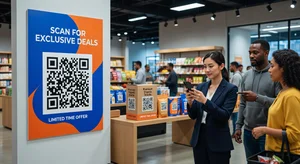
QR codes died around 2015, right? Everyone tried them. Nobody used them. We all moved on.
Except they're everywhere again now. And this time people actually scan them.
I've run three QR code campaigns in the last six months. Combined they generated over 12,000 scans, 2,400 conversions, and around $18,000 in tracked revenue.
Not massive numbers, but very real results from a technology people wrote off as dead.
What changed? Why do QR codes work now when they failed before? And what actually drives successful campaigns versus the ones that flop?
Let me break down what I've learned from campaigns that worked and ones that didn't.
Why QR Codes Work Now
The pandemic normalized them. Restaurant menus. Vaccine verification. Event check ins. For two years, scanning QR codes became a daily habit for millions of people.
That habit stuck. People know how to do it now. They're not intimidated or confused. Point camera. Tap notification. Done.
Phone cameras got way better at recognizing codes. No special app needed. Built in camera app handles it automatically. That friction removal is huge.
And honestly, people got more comfortable with mobile first experiences. Back in 2015, a lot of people still preferred desktop. Now mobile is default. QR codes fit that behavior perfectly.
Campaign 1: Retail Product Authentication
First campaign was for a small cosmetics brand dealing with counterfeits.
Put QR codes on product packaging. Scan to verify authenticity plus get access to tutorials and exclusive content.
Set this up using the QR code maker and linked each code to a unique verification page showing the product's production batch info.
Results over three months: 4,200 scans. 68 percent scan rate based on units sold. Way higher than I expected.
What worked: the value proposition was clear and immediate. Customers wanted to verify they bought real product. The tutorials added bonus value beyond just authentication.
Also worked because the placement was natural. Code on the packaging customers already had in hand. Easy to scan right there.
What I learned: QR codes work best when they solve a specific problem or add clear value. Not just "scan for more info" which is vague. Specific benefit that matters to the customer.
Campaign 2: Event to Online Conversion
Second campaign was for a local business expo. Vendors wanted to capture leads without forcing people to fill out forms at their booth.
Created Instagram QR codes for each vendor. Scan to instantly follow their Instagram account.
Plus we made Google Review QR codes for established vendors wanting to collect reviews from booth visitors.
Results across 40 vendors: 1,800 total scans. Average 45 scans per vendor over the two day event.
Instagram follow through rate was about 60 percent. People scanned and actually followed. Google reviews had lower conversion but still got 80 new reviews across all vendors.
What worked: removing friction. Instead of typing a username or searching for a business, instant action. One scan, done.
The QR codes were prominent on booth displays. Large enough to scan from a couple feet away. Not tiny text in the corner.
What I learned: make the physical code presentation match the context. Booth displays need larger codes because people scan from standing distance. Flyers or business cards can go smaller.
Campaign 3: Print to Digital Bridge
Third campaign connected magazine ads to a digital experience.
Small print ad with QR code. Scan for exclusive discount code plus product video demonstrations.
The QR code maker let us track scans per publication so we knew which magazines actually drove engagement.
Results across four different publications over two months: 6,100 scans total. 39 percent conversion to actual purchases using the discount code.
Revenue attributable to QR code scans: roughly $18,000 based on average order value and unique discount code usage.

What worked: The value was concrete. Scan gets you a discount. That's clear and motivating.
We also tested different placements. Full page ad with huge QR code versus small quarter page ad with smaller code. The full page drove 3x more scans but cost 4x more. Quarter page was more cost effective.
What I learned: test placement and size. Bigger isn't always better if the cost doesn't match the return. And tracking per source is critical for knowing what works.
Common Patterns from Successful Campaigns
After these three plus watching others, clear patterns emerge.
Successful campaigns offer immediate, specific value. Discount codes. Exclusive content. Instant follow or subscription. Something concrete, not vague.
They minimize steps after scanning. Ideally one tap from scan to conversion. The more steps required, the more drop off.
They match the physical context. Code size, placement, surrounding messaging all fit where people encounter them.
They track results properly. Unique codes or URLs per placement so you know what's working versus what's wasting money.
And they test. Different sizes, locations, calls to action. Measure and optimize rather than just hoping.
What Kills QR Code Campaigns
I've seen campaigns fail too. Here's what went wrong.
Vague value proposition. "Scan for more" doesn't tell people why they should bother. Be specific about what they get.
Terrible placement. Tiny codes people can't scan. Codes placed where scanning is awkward like billboards people drive past at 60 mph.
Too many steps post scan. Scan leads to a page with a signup form asking for email, phone, and birthday before delivering promised value. People bail.
No tracking. Can't tell if the campaign works because there's no way to measure scans or conversions. Just hoping it helps somehow.
Wrong audience. QR codes work great for mobile comfortable demographics. Less so for groups that don't default to smartphone use.
The Platform Specific Codes
Different platforms need different approaches.
Instagram QR codes work great for influencers, brands, events. Instant follow is low friction and high value for social presence.
Google Review codes are perfect for physical businesses. Turn happy customers into reviewers right there in the moment.
LinkedIn QR codes excel at networking events. Professional context where exchanging contact info is expected.
vCard QR codes replace business cards. Scan saves full contact info instantly. Way more likely to actually get saved than a physical card.
Match the code type to the use case. Generic URL codes work fine but platform specific ones often convert better because the action is tailored.
Design Considerations That Matter
QR codes don't need to be boring black squares anymore.
You can customize colors, add logos, integrate them into designs. But be careful. Over styling can break scannability.
I keep designs simple. Maybe match brand colors. Add a small logo in the center. But maintain good contrast and clear pattern.
Test every design. Make sure it scans reliably across different phones and lighting conditions. A beautiful code that doesn't scan is worthless.
Size matters a lot. Minimum size depends on scan distance. Business card codes can be small. Billboard codes need to be massive.
General rule: people should be able to scan from the distance they naturally hold or view the item. Test with real people before printing thousands.
Tracking and Analytics
This is where most campaigns miss opportunities.
Use unique codes or URLs for different placements. Then you know exactly which magazine ad, which poster location, which package insert drives results.
Track not just scans but post scan behavior. Did they convert? Did they bounce immediately? What's the full funnel?
Compare QR code channels to other marketing channels. Maybe QR codes from retail packaging convert at 40 percent while social ads convert at 8 percent. That changes resource allocation.
Set up proper attribution. If someone scans today but purchases next week, can you connect those dots? Set up tracking that captures the full customer journey.
Most QR code generators offer built in analytics. Use them. The data tells you what's working way better than guessing.
Cost Effectiveness Reality Check
QR code marketing is cheap compared to most channels.
Creating codes costs nothing with free tools. Even paid platforms are cheap.
The cost is in the physical materials. Printing, placement, design. But those costs often exist anyway. Adding a QR code to an existing poster or package is minimal incremental expense.
Compare that to digital ads where you pay per click or impression. QR codes have upfront costs but no ongoing spend per scan.
For the campaigns I ran, cost per conversion via QR codes was 60 to 70 percent lower than paid social ads driving to the same outcomes.
That efficiency makes them worth testing even if adoption isn't universal. The conversions you do get are cost effective.
Where This Goes Next
QR code marketing keeps evolving.
Dynamic codes that change destination based on time, location, or scan count. Already possible but not widely used yet.
AR integration where scanning launches augmented reality experiences. Some brands do this now. Will become more common.
Better analytics and personalization. Codes that remember if you scanned before and serve different content to repeat versus first time scanners.
Integration with loyalty programs. Scan to earn points, unlock rewards, access member content.
The technology is mature. The innovation now is in creative application rather than the codes themselves.
Should You Use QR Codes?
If your audience is mobile comfortable and you can offer clear, immediate value, yes absolutely.
They work for physical to digital bridges. Product packaging to website. Print ads to landing pages. Business cards to contact saves.
They work for reducing friction. Replace typing URLs or searching for accounts with instant scans.
They work when tracked properly so you can measure and optimize.
They don't work for audiences that aren't mobile first. They don't work with vague value propositions. They don't work when placement makes scanning awkward.
Test small. One campaign. Measure results. Scale what works.
The technology isn't hype anymore. It's a proven channel that works when used intelligently. Worth testing if you haven't already.