Short-Form Video Marketing 2026: Vertical Content Dominates | Cliptics
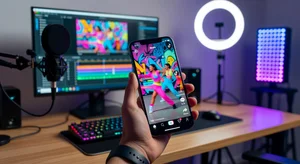
Vertical video used to feel weird and experimental. Not anymore. In 2026, if your video content isn't optimized for vertical viewing, you're basically ignoring where most people actually watch videos. TikTok, Instagram Reels, YouTube Shorts, even LinkedIn is pushing vertical now. The platforms have spoken and they're all saying the same thing: go vertical or go home.
The good news? You can absolutely crush it with short-form vertical video, even if you've never made a video before and even if you don't have fancy equipment. The even better news? Your competitors are probably still figuring this out, which means there's room for you to win.
Why Vertical Won
Simple physics and user behavior. People hold their phones vertically. Asking them to rotate for your content is friction, and friction kills engagement. Vertical video fills the screen, horizontal video doesn't. More screen real estate means more attention, and attention is what we're all fighting for.
The platforms also push what performs well for them. Vertical video keeps people scrolling longer, which means more ad impressions, which means more money for the platforms. So the algorithms favor it, which means your content reaches more people when it's vertical.
Plus, vertical video creates a different viewing experience. It's more immersive, more personal, more immediate. When done right, it feels like a conversation, not a broadcast. That intimacy drives connection and connection drives action.
The Format That Actually Works
Thirty to sixty seconds is the sweet spot for most content. Long enough to make a point, short enough that people finish watching. Completion rate matters way more than view count because it signals to algorithms that your content is worth showing to others.
Hook them in the first three seconds or they're gone. Start with the payoff, the surprising fact, the bold statement, the visual that makes them stop. You can provide context after, but lead with the thing that grabs attention.
Text overlays are your friend. A lot of people watch without sound, especially when scrolling in public or at work. Adding text means your message gets through either way. Plus, text can emphasize key points and make content more digestible.
One clear message per video. Don't try to pack five different ideas into 45 seconds. Make one point well, then move on. If you have multiple things to say, make multiple videos. This also helps with the algorithm because people are more likely to watch several short focused videos than one long rambling one.
Content Ideas You Can Start Today
Behind the scenes content works incredibly well and it's easy to create. Show how your product gets made, how your service works, what your day looks like. People love seeing the process, and it builds trust.
Quick tips and how-tos crush if they're genuinely useful. "Three ways to X" or "How to Y in under a minute" performs consistently well. Just make sure the tips are actually good, not generic advice people can find anywhere.
Customer stories and testimonials feel authentic when they're short and specific. A 30 second clip of a real customer explaining one specific thing your product helped them with is way more powerful than a scripted commercial.
Trending sounds and challenges can work if you adapt them to your brand naturally. Don't force it, but if there's a trend that fits your message, jump on it while it's hot. Timing matters with trends, so move fast.
Tools That Make It Easy
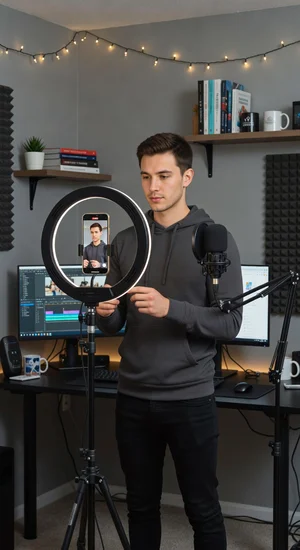
You don't need expensive video equipment. Your smartphone camera is genuinely good enough for short-form content. What matters more is lighting and sound. Natural light near a window works great, or grab an affordable ring light. For sound, even cheap wireless mics are miles better than phone audio alone.
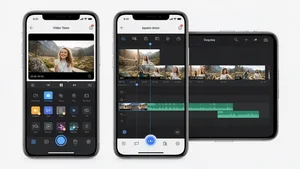
Editing apps like CapCut, InShot, or Adobe Express let you edit vertical videos right on your phone. They have templates, transitions, text options, everything you need. You can create polished content in minutes once you get the hang of it.
Planning content helps avoid the blank page problem. Batch your ideas, shoot multiple videos in one session, schedule them throughout the week. This is way more efficient than trying to come up with and create content from scratch every day.
Platform-Specific Strategy
TikTok wants authentic, fast-paced, trend-aware content. The audience skews younger and they're fine with rough edges if the content is engaging. Music choice matters a lot. Hashtags can help with discovery but don't go overboard.
Instagram Reels reach both your followers and new audiences through the Explore page. The format is similar to TikTok but the audience is slightly older and often more interested in polished aesthetics. Reels can drive people to your grid posts and profile if you hook them right.
YouTube Shorts is growing fast and has a different discovery mechanism. The audience comes from YouTube's space, so they might be more interested in deeper content or longer follow-ups. Shorts can drive subscribers to your channel if you provide value.
LinkedIn now supports vertical video and it's getting decent reach, especially for B2B content. The tone needs to be more professional but not corporate. Educational content and thought leadership work well here.
Consistency Over Perfection
Here's the truth: posting consistently beats posting perfectly. One good enough video every day or every other day will outperform one perfect video per month. The algorithms reward regular posting, and you learn faster by doing more.
That said, don't post trash just to post. There's a baseline of quality you need to hit, good audio, clear visuals, coherent message. But beyond that baseline, done is better than perfect.
Create a sustainable cadence. If you can realistically create three videos per week without burning out, do three. Don't commit to daily if you'll flame out in two weeks. Better to post three times a week for a year than daily for a month and then disappear.
What to Actually Measure
Views are nice but don't tell the whole story. Look at completion rate to see if people watch through to the end. Look at shares to see if content resonates enough that people send it to others. Look at profile visits and follows to see if you're attracting your audience.
Comments and engagement show if you're creating conversation. Reply to comments genuinely, it helps with reach and builds community. Even critical comments can be opportunities if you respond thoughtfully.
Track what content performs best and make more of that. Pay attention to which hooks work, which topics resonate, which formats keep people watching. Double down on what works rather than constantly reinventing.
Common Mistakes to Skip
Over-editing to the point where everything looks sterile. Some polish is good, too much and you lose the authentic feel that makes short-form video work.
Using every trend regardless of fit. If it doesn't make sense for your brand, skip it. Forced trend-jacking is transparent and cringy.
Talking at people instead of to them. Good short-form video feels like a conversation. Make eye contact with the camera, speak naturally, connect.
Forgetting a call to action. If you want people to follow, visit your site, try your product, tell them. Make it clear and easy.
Making It Sustainable
Batch creation saves your sanity. Set aside a few hours, plan five to ten videos, shoot them all, edit them throughout the week. This is way less stressful than creating from scratch every day.
Repurpose content across platforms. A TikTok can also go on Reels and Shorts. Adjust the caption and hashtags for each platform, but the video itself can work everywhere.
Involve your team if possible. Different faces and perspectives keep content fresh and reduce the burden on any one person. Customers, employees, partners can all create content.
Take breaks when you need them. Burnout kills creativity and consistency. It's better to pause and come back strong than to push through and produce mediocre content or quit entirely.
The Reality for Brands
Short-form vertical video isn't optional anymore, it's where your audience is spending time. Whether you're B2C or B2B, there's a way to make this format work for you. The brands winning right now figured out their angle and committed to showing up.
Yes, it takes effort. Yes, it's different from traditional marketing. But it's also an opportunity to connect with people in a way that email blasts and banner ads never could. When you make someone stop scrolling and actually pay attention for thirty seconds, that's valuable. When they share your content or follow your account, even more so.
You can do this. You don't need to be TikTok famous or have a million followers to see results. You need to understand your audience, create valuable content consistently, and keep iterating based on what works. That's it.
Start simple. One video this week. See how it feels, see what happens. Then make another. By this time next month, you'll have made more progress than you realize. By this time next year, you'll have a library of content and an audience that actually knows you. That's the power of showing up with short-form vertical video in 2026.