Social Media Algorithm Changes 2026 | Cliptics

I'm going to tell you something I probably shouldn't admit at the start of an article about social media algorithms: for the first three months of this year, my content reach dropped by almost sixty percent across two accounts I manage, and I spent weeks thinking I was doing everything right.
I was posting consistently. I was following every published best practice. I was using the recommended formats and posting at the optimal times. My content was getting worse reach month over month, and I had genuinely no idea why.
The reason, when I eventually figured it out, was embarrassingly simple. The algorithms had changed in ways I hadn't noticed because the changes were gradual and I hadn't been paying attention to the right signals. I was optimizing for a version of each platform that no longer existed.
If that sounds familiar, this article is for you. I'm not going to pretend I have all the answers. But I can tell you what changed, what I got wrong, and what is actually working now.
What Changed on Instagram in 2026
Instagram made the most significant structural change to its reach mechanics it had made in years at the start of 2026: it dramatically reduced the reach weight it gives to posts from accounts you already follow in favor of pushing Recommendations more aggressively.
This sounds technical but the practical effect is enormous. If your growth strategy has been built on your existing followers seeing your posts and engaging with them, you are working harder for less. Instagram is telling you, through its algorithm behavior, that it wants to be a discovery platform and it is going to push you in that direction whether you want to go there or not.
What this means concretely is that the metrics that used to predict good performance have shifted. High follower engagement from your existing audience still matters, but it matters because it signals to Instagram's system that your content is worth pushing to non-followers. The metric you actually want to grow is saves and shares to non-followers, and reach to non-followers from Recommendations.
The content types Instagram is pushing hardest in 2026 are Reels, obviously, but specifically Reels with hooks that retain viewers through the first three to four seconds at high rates. And collaborative posts with other accounts, because they expose content to multiple audiences simultaneously and the algorithm has learned to prioritize content that creates cross-account engagement.
Where I was going wrong: I was producing polished, high-effort Reels that had good production value but weak hooks. The first second of your Reel is now doing a disproportionate amount of your algorithmic work, and I was treating it like a title slide rather than a capture mechanism.
What Changed on TikTok in 2026
TikTok's algorithm has always been the most opaque and the most powerful discovery machine in social media, and 2026 brought changes that made it simultaneously better for some creators and harder for others.
The most significant shift is an increased emphasis on topical authority. TikTok's system has become more sophisticated at identifying what a given account is consistently about and using that understanding to route content to the right audiences. Accounts that post consistently within a clear topic cluster are seeing better distribution than accounts that post across many unrelated topics, even when the non-focused content is individually strong.
This runs directly counter to advice that was circulating widely even twelve months ago, which suggested that variety kept accounts fresh and audiences engaged. That advice is now outdated. TikTok is rewarding coherence, and accounts that pivoted toward consistent topic focus in the first half of 2026 have generally seen better reach than those that maintained variety.
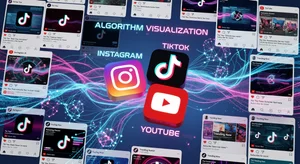
I made this mistake personally with a hobby account I run. I had been posting a mix of content types within a loose theme, and my reach was mediocre. When I restructured to focus tightly on one specific subtopic and stuck with it consistently for six weeks, distribution improved substantially. The algorithm figured out who to show my content to because I gave it consistent signals to work with.
The other TikTok change worth knowing: comment quality has become a more significant reach signal. TikTok's system distinguishes between low-engagement comments like single emoji responses and substantive comments that contain real text. Content that generates substantive discussion in comments gets better distribution than content that generates only passive engagement. This rewards content that makes people want to say something.
What I'm doing differently now: I end videos with a direct question or a deliberately incomplete thought that prompts response. Not "what do you think?" which is too vague. Something specific enough that people have an actual answer they want to give.
What Changed on YouTube in 2026
YouTube's algorithm changes have been subtler than Instagram's or TikTok's, but their cumulative effect on channel growth has been significant.
The change that has affected me most personally is the shift in how YouTube weights click-through rate versus watch time for initial distribution. Historically, a video with a strong thumbnail and title would get initial impressions, and then watch time would determine whether it got sustained distribution. That two-stage model has compressed, with YouTube now much faster to pull back distribution from videos that get clicks but lose viewers in the first thirty to sixty seconds.
This has made video intros more important than ever. Not longer intros, quite the opposite. Shorter intros that get to the actual content almost immediately. The thirty-second production company logo reel, the "don't forget to like and subscribe" opener before any content value has been delivered: these patterns are now being actively penalized by reduced distribution.
YouTube has also gotten significantly better at understanding what a video is actually about versus what its title and thumbnail claim it is about. Misleading thumbnails that used to generate clicks but then disappointed viewers are now more consistently identified and penalized in recommendations. This is good for viewers and good for creators with genuine content, but it has disrupted creators who built reach on clickbait mechanics.
The longest-form content on YouTube, videos over thirty minutes, has actually seen improved distribution relative to shorter content in specific genres: tutorials, documentaries, long-form interviews. YouTube appears to be deliberately positioning itself as the home of depth content that short-form platforms cannot accommodate, and the algorithm is expressing that positioning through distribution behavior.
The Cross-Platform Reality
Here is the most important thing I have learned from watching algorithm changes across all three platforms in 2026: the only sustainable response to algorithmic unpredictability is reducing dependence on algorithmic reach.
I know that sounds obvious. It also sounds impractical when you are deep in the work of trying to build reach on these platforms. But the creators and accounts I have watched maintain consistent growth through multiple algorithm changes share a common characteristic: they treat platform algorithms as distribution mechanisms rather than audience relationships.
Your email list does not have an algorithm. Your SMS list does not have an algorithm. Your community platform's member list does not have an algorithm in the same sense. Direct relationships with your audience, where you can reach them without intermediary, have become more valuable as platform algorithmic reach has become more volatile.
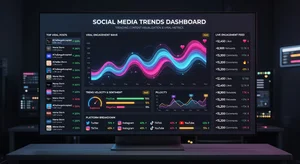
The practical version of this for 2026: use platform content to drive people toward an owned relationship. An email signup. A community they join. Something that creates a direct channel that does not depend on any algorithm's decision about what to show to whom.
I started doing this more systematically after my reach drop in January, and the compounding benefit over several months has been significant. The social accounts still matter for discovery. But they matter as the top of a funnel that ends somewhere I own, rather than as the relationship itself.
What I'm Watching Going Forward
The algorithm changes that feel most significant to me going into the second half of 2026 are not the tactical specifics that change with each platform update. They are the structural shifts that seem to be pointing in consistent directions.
Every major platform is getting better at understanding what content is actually doing to viewers, not just what signals viewers produce. How long they actually watched, not just that they started. Whether they felt better or worse after the experience based on subsequent behavior. How likely they are to come back to the platform after a given content session. These deeper viewer outcome signals are increasingly influencing distribution, and they favor content that is genuinely good for its audience over content that is merely engaging in the short-term.
That is actually good news for creators who care about their audience. Bad news for pure engagement-optimization strategies that prioritize clicks over genuine value.
The algorithm, finally, might be trying to reward the same things good creators have always valued: actually serving the people watching. It does not always succeed at that, and the mechanics remain frustratingly opaque, but the general direction seems right to me.
That doesn't make the learning curve less painful. I still have the screenshots from January to prove it.