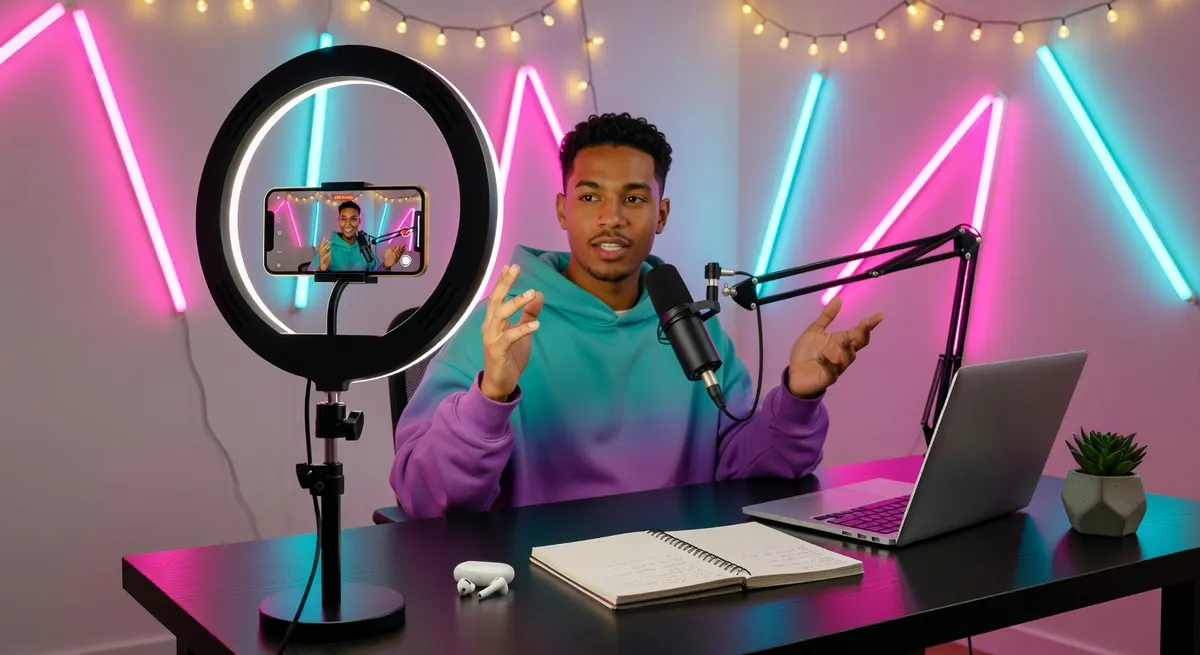
I manage social media for three different brands. Every single one of them creates content on TikTok. And every single one of them wants to repurpose that content across Instagram Reels, YouTube Shorts, Facebook, Twitter, LinkedIn.
Which sounds simple until you download the TikTok video and realize there's a giant watermark right there announcing to everyone on every other platform that this content came from TikTok.
Instagram's algorithm reportedly deprioritizes TikTok watermarked content. YouTube viewers comment asking why you're reposting TikToks. LinkedIn audiences see it as unprofessional. The watermark that's fine on TikTok becomes a liability everywhere else.
So you're left with a choice. Create unique content for every platform, which multiplies your workload impossibly. Or remove the watermark and repurpose strategically, which is practical but requires the right approach.
I've been doing the latter for two years now. Here's what actually works.
Why Cross Platform Distribution Matters#
Creating platform specific content sounds ideal. Custom videos for TikTok, different ones for Instagram, different ones for YouTube. Each optimized for that platform's audience and algorithm.
In reality, most brands don't have the resources for that. You're already stretching to create consistent content for one platform. Creating separate content for five platforms? That's not happening unless you have a full production team.
So you create on one platform and distribute elsewhere. TikTok is often the creation platform because the editing tools are good, the format works for quick turnaround, and the audience feedback helps you know what's landing.
But that content needs to work everywhere. Which means the TikTok branding can't be front and center in the video.
The watermark problem isn't just aesthetic. It's strategic. You want content to feel native to whatever platform it's on, not like obvious reposts from somewhere else.
The Algorithm Factor#
Here's the part that moves this from preference to necessity. Platform algorithms actively discriminate against watermarked content from competing platforms.
Instagram has been particularly aggressive about this. Multiple reports and tests have shown that Reels with TikTok watermarks get significantly less reach than identical content without the watermark. We're talking like thirty to fifty percent reach reduction in some cases.
That's not accidental. Platforms want native content. They don't want to be distribution channels for their competitors. So they penalize content that's obviously created elsewhere.
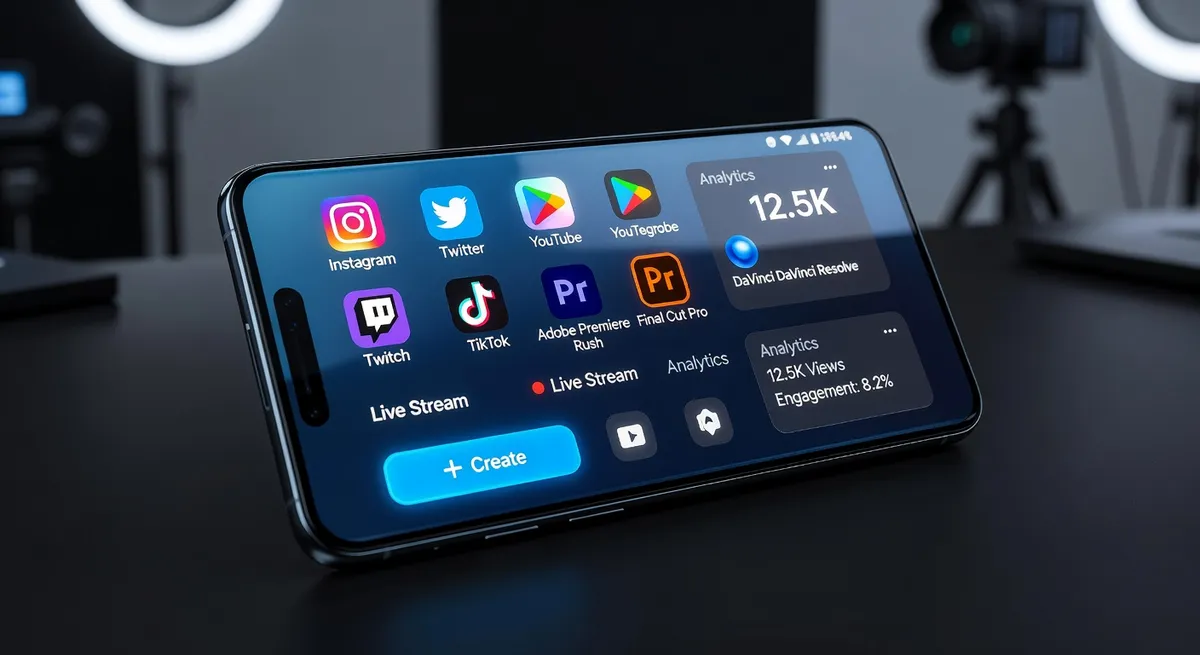
I tested this directly with one of the brands I manage. Same video, posted twice. Once with the TikTok watermark intact, once with it removed. Everything else identical: caption, hashtags, posting time, account.
The clean version got almost twice the views and significantly better engagement. Same content. Only difference was the watermark.
After that test, removing watermarks became non negotiable for cross platform distribution. The performance difference is too significant to ignore.
The Right Way to Remove TikTok Watermarks#
There are multiple approaches to watermark removal. Not all of them preserve quality or save time appropriately.
The manual approach involves video editing software. Import the video, mask the watermark area, use content aware fill or clone stamping to reconstruct what's underneath. This works but it's time consuming, especially if you're processing multiple videos.
For one offs, fine. For regular content repurposing where you might be processing ten to twenty videos weekly, manual editing doesn't scale.
The practical approach uses AI watermark removal tools designed for this exact use case. Upload the video, mark the watermark, process, download clean version. Takes minutes instead of hours.
I use these tools as part of my regular workflow now. Download content from TikTok, run it through watermark removal, upload to other platforms. The entire process for one video takes maybe five minutes including upload and download time.
That scalability matters when you're managing multiple brands or posting frequently. What would be prohibitively time consuming manually becomes a quick standard step in content distribution.
Quality Considerations for Repurposed Content#
TikTok videos are already compressed. When you download them, you're getting encoded files, not original source footage. Then you process them to remove watermarks, which involves re encoding. Quality degradation is a real concern.
This is where tool selection matters. Cheap or poorly designed watermark removers can introduce additional compression, reduce resolution, create artifacts that make the video look worse.
I've tested probably a dozen different removal tools specifically with TikTok content. The quality variation is significant. Some produce output that's noticeably degraded. Others preserve quality well enough that you can't tell the video was processed.
The better tools maintain the original resolution and frame rate. They use minimal additional compression. They reconstruct the watermarked area without creating obvious blurring or mismatched textures.
For professional content distribution, you need tools that fall into the latter category. Degraded quality undermines the whole point of repurposing. You're trying to maximize value from your content, not distribute lower quality versions.
Strategic Repurposing Beyond Just Removal#
Removing the watermark is step one. But strategic repurposing involves more than just making content clean.
Different platforms have different optimal formats. TikTok is 9:16 vertical. YouTube Shorts also uses vertical. Instagram Reels supports both vertical and square. LinkedIn often works better with square or horizontal formats depending on your audience.
Sometimes I'll crop TikTok content after watermark removal to better suit the destination platform. The watermark is gone, so I can reframe without worrying about cutting off parts of it.
Captions and text overlays often need adjustment. What works on TikTok might be too casual for LinkedIn. What's funny on TikTok might not land on Facebook with an older demographic. I'll edit text or add platform specific context after removing the watermark.
Audio is another consideration. Some TikTok sounds are trendy on that platform but unknown elsewhere. Sometimes I'll swap audio after watermark removal to use something more universally recognizable or brand appropriate.
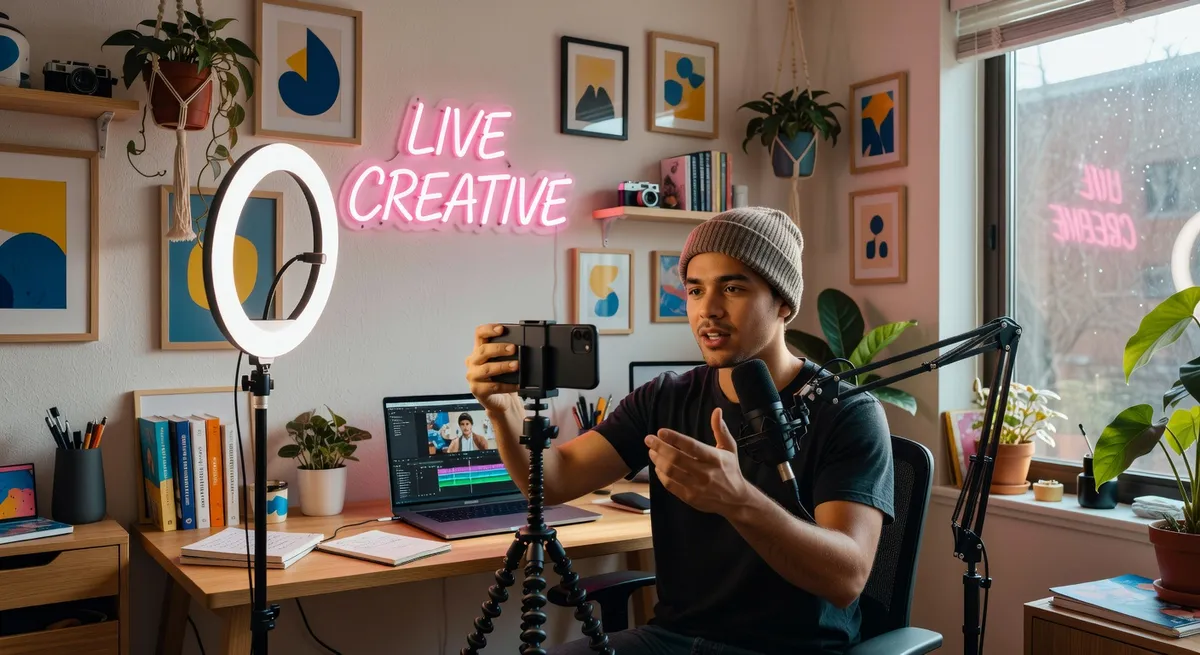
The watermark removal creates a clean slate. Then you customize from there based on where you're posting and who you're trying to reach.
Handling Different Watermark Types#
TikTok watermarks have evolved over time. The placement and appearance have changed. Understanding what you're dealing with helps you remove it effectively.
The standard watermark is usually in a bottom corner, semi transparent, showing the TikTok logo and usually a username. This is the easiest to remove because it's relatively small and in a predictable location.
Some TikTok videos have additional watermarks from the original creator if you're downloading someone else's content to repost. These might be custom text or graphics placed anywhere in the frame.
Duets and stitches have interface elements that aren't technically watermarks but are TikTok specific branding that you might want to remove for clean repurposing.
AI removal tools handle the standard watermark automatically. Custom watermarks or interface elements might need manual marking to identify what needs to be removed.
For content I create for the brands I manage, it's always the standard watermark. Download, process, done. For curated content from other creators that we're reposting with permission, sometimes there are additional elements to clean up.
Understanding what you're working with helps you choose the right approach and set appropriate expectations for processing time.
The Legal and Ethical Framework#
This is important and often glossed over. Just because you can remove a watermark doesn't mean you should for all content.
If you created the content, it's yours, you can absolutely remove the watermark for cross platform distribution. You made it, you own it, repurposing it however you want is your right.
If you're downloading someone else's content, removing their watermark to repost it as if it's yours is theft. Doesn't matter how easy the technology makes it. It's still wrong.
If you have permission to repost someone else's content, with proper credit, then removing the watermark is a gray area. Legally probably fine if they consented. Ethically, you should probably maintain attribution even without the watermark.
For user generated content campaigns where you're collecting content from customers or followers, clear terms about how you'll use it matters. If they give you rights to repurpose their content, removing watermarks for brand consistency is reasonable.
The technology enables removal. Your ethics and legal responsibilities determine when it's appropriate.
Workflow Integration#
For this to be practical at scale, it needs to fit smoothly into your existing content workflow. Here's how I've integrated watermark removal into regular operations.
Create content on TikTok as usual. Edit, post, optimize for that platform first. TikTok is the primary platform for these brands, so content is designed for that audience initially.
After posting on TikTok, download the video. I use TikTok's own download feature or third party downloaders that pull the highest quality version available.
Run the downloaded file through watermark removal. I use browser based tools that don't require software installation. Upload, process while I'm working on something else, download when it's ready.
Upload the clean version to other platforms with appropriate customization. Adjusted captions, platform specific hashtags, any needed format changes.
The whole process from TikTok post to cross platform distribution takes maybe fifteen to twenty minutes per piece of content. That's manageable even when posting multiple times weekly across multiple brands.
Without watermark removal in the workflow, I'd either be posting watermarked content and accepting the algorithm penalty, or I'd be creating separate content for each platform which isn't feasible time wise.
Measuring the Impact#
I track performance metrics specifically to understand the value of clean cross platform distribution.
For content posted with watermarks versus without, the difference is measurable. Higher reach, better engagement, more consistent branding perception across platforms.
For overall content ROI, repurposing means we get more value from each piece of content created. One TikTok video becomes content for five platforms. The production investment gets multiplied across distribution channels.
The time investment in watermark removal is minor compared to the time that would be required to create platform specific content. We're talking minutes per video versus potentially hours to create separate versions.
From a brand consistency perspective, content that looks native to each platform reinforces brand presence better than obvious cross posts.
The numbers consistently support watermark removal as a worthwhile step in the content distribution process.
Tools and Recommendations#
For TikTok watermark removal specifically, you want tools that handle the semi transparent overlay well and preserve the already compressed video quality as much as possible.
Browser based tools are most practical for regular workflows. No software to maintain, accessible from anywhere, usually faster iteration than downloading and running desktop software.
Cliptics' TikTok watermark remover is designed specifically for this use case. Clean removal, good quality preservation, simple interface that fits into content workflows without friction.
Batch processing capabilities matter if you're handling volume. Some tools let you queue multiple videos, which saves time when you're distributing a week's worth of content at once.
Output format options are useful. Different platforms prefer different encoding. Tools that let you optimize output for your destination platform streamline the workflow further.
The Future of Cross Platform Content#
Platform watermarks are probably here to stay. Each platform wants to mark content created on their system. But tools for removing them are also here to stay and getting better.
What's changing is how brands think about content creation and distribution. The old model of platform specific content for every channel is giving way to strategic creation and smart repurposing.
You create where your audience is most engaged and where the tools best support your workflow. Then you distribute everywhere, customized appropriately for each platform.
Watermark removal is a key enabler of that strategy. It lets content flow across platforms without obvious markers that algorithms penalize and audiences perceive as low effort reposts.
For social media managers, content creators, brands trying to maintain presence across multiple platforms without infinite resources, this approach is practical and effective.
Remove the watermark, customize appropriately, distribute strategically. Maximize the value of every piece of content you create. That's not gaming the system. That's smart content strategy in a multi platform world.