
UGC Creator: How to Make Money Creating Content Without a | Cliptics
I remember the exact moment this clicked for me. I was scrolling through a brand's Instagram page and noticed something strange. Half their content wasn't made by them. It wasn't made by influencers with massive followings either. It was made by regular people, people with 200 followers, sometimes fewer, who were getting paid $150 to $500 per video just to film themselves using a product in their kitchen.
No audience required. No viral moment needed. No algorithm to crack.
That's UGC, user generated content, and it has quietly become one of the most accessible ways to earn real money creating content in 2026. If you've ever watched a TikTok ad that looked like a normal person filming a product review and thought "I could do that," you're already thinking like a UGC creator.
What UGC Actually Is (And Why Brands Are Obsessed With It)
UGC stands for user generated content. In simple terms, it's content that looks like a real person made it because a real person did make it. Think unboxing videos shot on a phone, product reviews filmed in someone's bedroom, a skincare routine that feels authentic rather than polished.
Here's the critical distinction: UGC creators are not influencers. Influencers get paid because of their audience. UGC creators get paid because of their content. The video you create never even has to go on your own social media. You film it, deliver it to the brand, and they post it on their accounts and run it as paid advertising.
Why do brands want this? Because it works. Ads that look like organic content consistently outperform traditional polished advertisements. A 2025 study from Stackla found that consumers are 2.4x more likely to view UGC as authentic compared to brand created content. People trust real humans more than corporate marketing teams. So brands are spending serious money on content that feels genuine, relatable, and unscripted.
The UGC market has exploded. Companies of all sizes, from DTC skincare startups to major electronics brands, are hiring UGC creators every single day. And they don't care if you have zero followers.
How Much Money Can You Actually Make?
Let's talk numbers, because vague promises don't pay rent.
When you're just starting out, expect to charge between $75 and $150 per video. That's for a simple product review or unboxing, typically 30 to 60 seconds long. As you build a portfolio and develop your skills, rates climb quickly.
Mid level UGC creators with a few months of experience and a solid portfolio regularly charge $200 to $400 per video. Experienced creators who specialize in specific niches (beauty, tech, food, fitness) can charge $500 to $1,500 per piece of content.
Here's a realistic income breakdown for someone treating UGC as a serious side hustle:
Month 1 to 2: Building your portfolio, landing first clients. Income: $0 to $300 total. This is the grind phase where you're creating spec work and reaching out to brands.
Month 3 to 4: You've got 3 to 5 portfolio pieces and some testimonials. Income: $500 to $1,500 per month from 3 to 8 paid projects.
Month 6 and beyond: You've built relationships with brands who come back monthly. Income: $2,000 to $5,000+ per month. Some full time UGC creators report earning $8,000 to $15,000 monthly, though that requires significant volume and premium positioning.
The math is straightforward. If you create five videos per week at $200 each, that's $4,000 per month. Many UGC videos take under two hours to concept, film, and edit. Compare that to building an audience of 100,000 followers, which could take years with no guaranteed income.
Getting Started: Your First Week as a UGC Creator
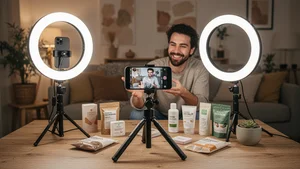
You don't need expensive equipment. You need a smartphone (anything from the last three years works), natural lighting or a $25 ring light, and a clean background. That's it. Seriously. Brands hiring UGC creators expect phone quality content because that's the whole point. Overly produced content defeats the purpose.
Week 1 action plan:
Pick a niche. Beauty, tech gadgets, food and cooking, pet products, fitness gear, home organization, and baby products are all thriving UGC categories. Choose something you're genuinely interested in because your enthusiasm needs to come through on camera.
Create 3 to 5 practice videos using products you already own. Film yourself reviewing your favorite moisturizer, demonstrating a kitchen gadget, or unboxing something you recently ordered. These become your portfolio pieces. They don't need to be perfect. They need to feel authentic.
Set up a simple portfolio. A Google Drive folder works. A free Canva presentation works. A simple one page website works. Include your best videos, a short bio, the types of content you create, and your rates. Keep it clean and professional.
For your visuals and thumbnails, tools like Cliptics can help you create polished portfolio images and promotional materials without needing design experience.
Where to Find Paying Brands
This is where most aspiring UGC creators get stuck. They build a portfolio and then have no idea where to find clients. Here are the channels that actually produce results:
UGC platforms. Billo, Insense, JoinBrands, and Trend are marketplaces that connect creators directly with brands. You create a profile, browse available campaigns, and apply. These are perfect for beginners because the brands on these platforms are specifically looking for UGC creators and understand the process.
Direct outreach. This is the highest paying approach but requires more effort. Find brands on Instagram and TikTok that are already running UGC style ads. Send them a brief, professional DM or email with your portfolio link. Something like: "Hey, I love your product and I create UGC content for brands in the [niche] space. Here's my portfolio. Would you be open to a test video?" Keep it short. Keep it genuine.
Freelance platforms. Fiverr and Upwork both have growing categories for UGC creation. The rates tend to be lower initially, but these platforms handle payment processing and provide built in credibility through reviews.
Brand ambassador programs. Many companies run ongoing UGC programs where they send you free products monthly in exchange for content, often with additional cash compensation. Check the websites of brands you love for "creator" or "ambassador" application pages.
Social media job boards. Twitter and LinkedIn have active communities where brands post UGC opportunities daily. Search hashtags like #UGCcreator, #UGCjobs, and #UGCcommunity.
Building a Portfolio That Gets You Hired
Your portfolio is everything. It's the only thing standing between you and paid work. Here's what separates portfolios that land clients from ones that get ignored.
Show range. Include different content styles: a talking head review, a hands only product demo, an aesthetic lifestyle shot, and a before and after format. Brands want to see you can adapt.
Lead with hooks. The first three seconds of every video should grab attention. Open with a question, a bold statement, or an action. "This $12 serum replaced my $80 moisturizer" is a hook. "Hey guys, today I'm going to review this product" is not.
Film vertically. Nearly all UGC ends up as TikTok ads, Instagram Reels, or YouTube Shorts. Film in 9:16 vertical format. This seems obvious but a surprising number of aspiring creators submit horizontal portfolio videos.
Keep videos between 15 and 45 seconds. Brands running paid ads want concise content. Longer isn't better. Tighter is.
Include a call to action in each video. "Link in bio," "Use my code," "Try it for yourself." This shows brands you understand how advertising works, not just content creation.
Common Mistakes That Kill Your UGC Career Before It Starts
Waiting until everything is perfect. Your first videos will not be great. That's normal. Ship them anyway. Improvement comes from repetition, not preparation.
Undercharging. New creators sometimes offer to work for free products alone. Don't. Even at the start, charge at least $50 to $75 per video. Free work sets a precedent that's hard to reverse, and brands that won't pay $75 for a video aren't brands worth working with.
Ignoring contracts. Always have a simple agreement that covers deliverables, usage rights, payment terms, and revision limits. A one page document protects both you and the brand. Templates are widely available online.
Being too salesy on camera. The entire value of UGC is authenticity. If you sound like a car commercial, brands won't hire you. Talk about products the way you'd tell a friend about something you genuinely liked. Natural enthusiasm beats scripted pitches every time.
Neglecting lighting. You don't need professional lights, but you need good light. Film near a window during the day. A simple ring light handles everything else. Bad lighting makes even great content look amateur.
The Future of UGC in 2026 and Beyond
UGC isn't slowing down. If anything, it's accelerating. Brands are shifting more ad budget toward creator content because the return on investment consistently beats traditional advertising. TikTok Shop, Instagram's creator marketplace, and YouTube's shopping features are all creating new revenue streams for UGC creators.
AI tools are making editing faster but they can't replace the human element that makes UGC work. A real person's genuine reaction to a product, the way they fumble slightly while opening a package, the natural way they apply a skincare product. That authenticity is irreplaceable and it's exactly what brands are paying for.
The barrier to entry is remarkably low. You need a phone, decent lighting, and the willingness to be on camera. You don't need followers. You don't need to go viral. You don't need to dance or follow trends. You just need to create honest, engaging content about products you'd actually use.
If you've been waiting for permission to start, consider this it. Film a practice video tonight. Review something on your desk right now. The worst that happens is you learn something. The best that happens is you build a career doing something genuinely enjoyable, on your own schedule, without ever needing a single follower to make it work.