
Vintage Era Filters: Decades Photo Challenge Guide | Cliptics
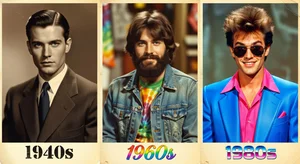
When my decades challenge video hit 2.3 million views, I wasn't expecting it. I'd spent maybe an hour creating transformations of myself styled as if I lived in the 1920s, 1960s, and 1990s. The concept wasn't new. decades challenges had been trending for months. But something about seeing the dramatic visual shifts through authentic era styling resonated powerfully with viewers.
The comments revealed why: "This shows how beauty standards have changed so much," "I want to do this with my grandma's old photos," "The 80s hair is everything." People weren't just entertained. they were connecting emotionally with visual history. Seeing familiar faces transformed across decades triggered nostalgia, curiosity about different eras, and conversations about how culture shapes appearance.
That viral success taught me something important about decades challenges: when done well, they're not just filters applied randomly. They're visual storytelling about cultural evolution, fashion history, and how we present ourselves across time. The challenges that blow up are those that authentically capture era-specific aesthetics rather than just slapping sepia tone on photos and calling them vintage.
After creating dozens of decades transformations and studying hundreds of successful challenges, I've developed an approach that consistently produces authentic, engaging results. Here's how to create decades content that genuinely captures historical aesthetics and resonates with audiences.
Understanding What Makes Era Filters Work
Not all "vintage" filters successfully evoke specific eras. Generic old-photo effects. grain, fading, scratches. might look aged, but they don't communicate 1940s versus 1970s. Effective era filters capture era-specific elements:
Photography technology of the time. Each decade's photos have characteristic qualities based on available camera and film technology. 1920s photos have specific tonal ranges and sharpness limitations. 1970s Polaroids have distinctive color casts and soft focus. Matching these technical characteristics creates authenticity.
Color palettes and processing styles. Color photography evolved dramatically. 1960s Kodachrome has specific warm saturation. 1980s prints have particular color balance. 1990s disposable cameras produced recognizable lo-fi aesthetics. Getting colors right for each era matters enormously.
Fashion and styling cues. Hair, makeup, clothing, and accessories define eras visually. A great 1940s filter won't work if your hairstyle is 2020s. Era-appropriate styling, even if AI-generated, is essential for authentic decade representation.
Cultural aesthetic context. Beyond technical qualities, each era has an aesthetic personality. 1920s glamour. 1950s idealism. 1970s earthiness. 1980s excess. Capturing these intangible qualities makes transformations feel genuinely from that era rather than modern photos with old-photo filters.
The decades challenges that perform best authentically capture multiple layers. not just making photos look old, but making people look genuinely from that specific era.
Decade-by-Decade Filter Characteristics
Let me break down what makes effective filters for specific decades:
1920s: High contrast black and white, slight vignetting, soft focus, glamorous lighting that was achieved with early artificial studio lights. Flapper styling, finger waves, dramatic makeup. The aesthetic is theatrical and glamorous due to Hollywood's golden age influence.
1930s-1940s: Similar to 1920s technically but with more documentary realism entering photography. Wartime austerity shows in styling. Photos from this era often have specific grain patterns from the film stocks available. Makeup became more refined and natural compared to 1920s excess.
1950s: Early color photography becomes common but with specific Kodachrome qualities. rich, warm colors, high saturation, particular skin tone rendering. The aesthetic is idealized and optimistic. Styling shows postwar prosperity and standardized beauty ideals.
1960s: Color photography matures. Kodachrome reaches peak quality with distinctive warm saturation and subtle graininess. Fashion becomes more diverse and experimental. The aesthetic shifts from 1950s conformity to emerging counterculture influences.
1970s: Consumer color photography becomes affordable. Polaroid instant photos have specific qualities. soft focus, particular color casts, square format. Home photography increases. The aesthetic is more casual and candid compared to formal studio photography of earlier decades.
1980s: Color becomes universal but with specific qualities. certain cyan/magenta color casts, high contrast, particular grain structures from popular film stocks. Fashion becomes bold and excessive. The aesthetic is energetic, experimental, and sometimes garish by modern standards.
1990s: Point-and-shoot cameras and drugstore processing create recognizable lo-fi aesthetic. slightly washed colors, soft focus, red-eye, particular yellow casts. Grunge and minimalist fashion contrasts with 80s excess. The aesthetic is more casual and authentic compared to posed studio photography.
2000s: Digital photography begins but early digital cameras have specific limitations. lower resolution, particular color rendering, visible compression artifacts. Fashion shows Y2K futurism. The aesthetic bridges analog and digital eras awkwardly.
Each decade requires different technical treatment, styling approach, and aesthetic sensibility to capture authentically.
Creating Authentic Decade Transformations
Here's my process for creating convincing era transformations:
Step 1: Era research. Before creating any content, study authentic photos from your target decade. Not just a few cherry-picked examples. immerse yourself in hundreds of images to internalize that era's visual characteristics. Notice lighting, posing, backgrounds, styling details.
Step 2: Appropriate sourcing. Take photos styled appropriately for the era or use era-appropriate source material. Modern hairstyles and contemporary clothing won't transform convincingly no matter how good your filters. You need at least baseline era-appropriate styling.
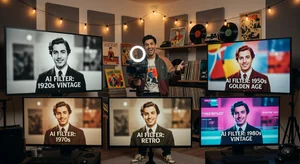
Step 3: Apply era-specific filters. Use filters calibrated to specific decades, not generic "vintage" effects. AI photo filters with decade-specific presets work better than Instagram vintage filters. Layer multiple adjustments if needed to capture both technical photo qualities and aesthetic sensibility.
Step 4: Refine details. After initial filtering, zoom in on details. Are skin tones rendering authentically for that era's film stocks? Does the image grain match period photography? Are highlights and shadows behaving like they would in actual photos from that time? Adjust until technical qualities feel genuinely period.
Step 5: Test recognition. Show era transformations to others without labeling the decades. Can they correctly identify 1960s from 1970s? If viewers can't distinguish eras, your filters aren't specific enough. Authentic era capture means decade identification happens instinctively.
Step 6: Context and presentation. Frame your decades challenge with context that enhances the storytelling. Mention what was happening culturally in each era. Note how beauty standards or fashion changed. The visual transformation is entry point; the cultural conversation is what drives engagement.
Storytelling Angles That Drive Engagement
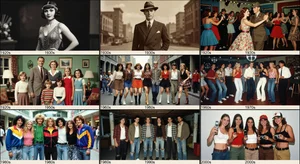
Decades challenges work best when they tell specific stories beyond just "here's me in different eras." Successful angles include:
Personal or family history. "My grandmother in the 1940s looked like this, here's me styled the same way." Connecting decades challenges to actual family history creates emotional resonance viewers respond to powerfully.
Beauty standard evolution. "How the same face would be styled across decades shows how beauty ideals change." This angle sparks conversations about cultural standards, body positivity, and historical context.
Fashion progression. Focusing specifically on how clothing, hairstyles, and accessories evolved lets viewers who love fashion dive deep into style history.
Technology story. "This is how photography technology shaped how we documented ourselves across decades." The technical evolution angle appeals to photo enthusiasts and history buffs.
Music and pop culture tie-ins. Connecting visual eras to music genres, movies, or cultural movements that defined each decade creates richer context. Your 1980s transformation paired with discussion of MTV, new wave music, and blockbuster movies resonates more than image alone.
Comparative cultural moments. "What people experienced in the 1920s versus 2020s" uses decades challenges to explore how daily life, technology, and culture have transformed.
The decades challenges that go viral usually combine compelling visual transformation with narrative angles that invite engagement and discussion beyond the images themselves.
Platform-Specific Optimization
Different platforms reward different decades challenge approaches:
TikTok: Fast-paced transformations work best. Show multiple decades in 30-60 seconds with quick transitions. Use era-appropriate music snippets. Trending sounds specific to decades challenges boost discoverability. The algorithm rewards high completion rates, so pack visual interest throughout.
Instagram Reels: Similar to TikTok but slightly longer attention spans allow more context. Carousel posts showing all decades simultaneously perform well. Stories with interactive polls ("Which era suits me best?") drive engagement.
YouTube Shorts: Can handle slightly longer storytelling. More room for explaining the process, discussing historical context, and showing behind-the-scenes of creating transformations.
Facebook: Longer-form content works better. Detailed posts about family history, cultural context, or the creation process get shared widely, especially among older demographics who lived through the decades being portrayed.
Pinterest: Static images of decade transformations perform well, especially when styled beautifully. Creating "pins" for each decade with detailed styling notes attracts clicks.
Optimize your content format for each platform's unique audience and algorithmic preferences to maximize reach.
Avoiding Common Mistakes
After reviewing hundreds of decades challenges, I've identified mistakes that undermine authenticity:
Generic "old photo" filters. Just adding sepia, grain, and fading doesn't create authentic era representation. These might look vaguely vintage but don't capture specific decades. Use era-specific treatments instead of generic aging effects.
Inconsistent era markers. Mixing elements from different decades breaks immersion. A 1950s hairstyle with 1980s makeup and 1970s color treatment confuses the era story. Maintain consistency within each decade.
Ignoring cultural context. Decades weren't just visual styles. they were shaped by wars, economic conditions, social movements, and technology. Transformations that ignore context miss opportunities for deeper engagement.
Poor source material. Trying to transform selfies taken in modern settings with contemporary styling rarely works well. The filter fights against too much modern context. Era-appropriate source material transforms more convincingly.
Oversaturation and unrealistic effects. Some creators apply vintage filters so heavily that results look artificial rather than authentically historical. Subtle, realistic treatment works better than obvious digital manipulation.
Neglecting diversity. Many decades challenges only show how beauty standards evolved for one demographic. More comprehensive approaches showing how different communities styled themselves across eras are more interesting and inclusive.
Advanced Techniques for Standout Results
Want your decades challenges to be more sophisticated than basic filter applications? Try these approaches:
Period-accurate locations. If possible, photograph in locations or with backgrounds that match each era. Art deco architecture for 1920s. Mid-century modern interiors for 1950s. This environmental authenticity elevates results dramatically.
Era-specific posing and expression. How people posed for photos changed across decades. Study actual period photographs and mirror those posing conventions. The rigid formality of early decades. The casual snapshot aesthetic of later periods.
Film format simulation. Different eras used different photo formats. 1970s Polaroids are square. 1990s disposable cameras are 4:3 ratio. Matching format conventions adds authenticity.
Degradation that tells stories. Instead of generic aging effects, apply degradation that matches how photos from each era actually age. 1960s color prints fade in specific ways. 1950s black and white photos develop specific stains and cracks. Authentic aging patterns increase realism.
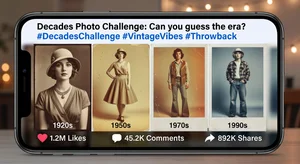
Progression narratives. Rather than showing decades randomly, present them chronologically as a progression. This creates narrative flow that feels more intentional and engaging.
Historical event tie-ins. Time your decades challenges to historical anniversaries. 1920s content during 100-year anniversaries of significant 1920s events. This cultural timing can boost relevance and shareability.
Monetization and Professional Applications
Decades challenges aren't just viral content. they have professional applications:
Historical recreations for education. Museums, historical societies, and educational content creators use era-accurate transformations to make history more relatable and engaging.
Commercial nostalgia marketing. Brands use decades aesthetics for campaigns. If you develop strong era recreation skills, commercial opportunities exist creating branded decades content.
Family history services. People pay for help visualizing ancestors or creating imagined family photos from eras before their families documented photographically.
Event entertainment. Conventions, festivals, and parties sometimes feature decades photo booths. Skills in era recreation translate to event business opportunities.
Tutorial and educational content. Teaching others to create authentic era transformations generates content revenue through courses, sponsored content, or platform monetization.
The viral entertainment value is obvious, but the professional applications provide longer-term revenue opportunities for creators who master the craft.
The Cultural Value Beyond Entertainment
What makes decades challenges resonate beyond their entertainment value is how they spark conversations about cultural change, beauty standards, identity, and history.
When viewers see familiar faces transformed across eras, it makes abstract historical periods feel tangible and personal. It prompts reflection on how much culture shapes our self-presentation. It surfaces conversations about how beauty ideals have evolved. sometimes progressively, sometimes not.
I've seen decades challenges inspire people to research their family histories, have conversations with elders about their experiences across decades, and think more critically about contemporary beauty standards by seeing them as historically contingent rather than universal.
The best decades creators embrace this deeper cultural dimension. They're not just applying filters. they're creating visual starting points for meaningful conversations about time, culture, identity, and change.
That's what separates decades challenges that briefly entertain from those that genuinely resonate and get shared widely. The technical execution matters, but the cultural invitation matters more.
Tools and Resources
For creators serious about authentic era recreation:
AI photo filters with specific era presets provide good starting points. More specific options exist for 1940s, 1960s, and 1980s aesthetics that capture decade-specific qualities better than generic vintage filters.
Beyond filters, invest time studying historical photography. Books on photography history, online archives of period photographs, and film photography communities offer invaluable education in authentic era aesthetics.
The combination of good tools and deep historical knowledge creates transformations that feel genuinely from their portrayed eras rather than modern photos with vintage filters slapped on.
The Evolution Continues
Decades challenges will keep evolving. As we move further from certain eras, nostalgia for them intensifies. 2000s and 2010s are already becoming "vintage" eras for younger creators. Eventually 2020s will be a decades challenge option. a weird thought, but inevitable.
The technical tools will improve too. Better AI understanding of era-specific aesthetics. More sophisticated aging and style transfer. Perhaps eventually personalized filters trained on your actual family photos from different decades.
But the core appeal will remain: seeing ourselves across time, connecting with visual history, and understanding how culture shapes identity. That human fascination with time and change is what makes decades challenges work.
Master the craft of authentic era recreation, and you're not just creating viral content. You're participating in how we collectively remember, understand, and relate to our cultural past. one transformation at a time.