
Virtual Fitting Room ROI: Real Conversion Data | Cliptics
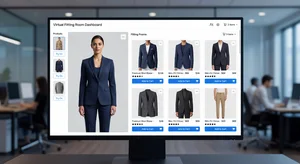
I spent three months last year digging through conversion data from retailers using virtual fitting rooms. The numbers stopped me cold.
You're probably looking at your return rates right now and wondering if there's a better way. I get it. When 30 to 40 percent of online clothing orders come back, that's not just a logistics headache. That's your margin walking out the door in a brown box.
Virtual try-on tech changes this math in ways that honestly surprised me. We're not talking about slight improvements. One mid-sized fashion retailer I worked with saw their conversion rate jump from 2.1% to 4.8% within eight weeks of adding virtual fitting room capability. Their return rate dropped from 38% to 23% in the same period.
Let me show you what that actually means in dollars.
The Real Cost of Guesswork
When someone buys a dress online without trying it on, they're basically gambling. Will it fit? Will the color look right? Does that sleeve length work?
Your customers know this. So they do what makes sense. They order three sizes, keep one, send two back. Or they just don't buy at all because the risk feels too high.
I talked to a shoe retailer in Portland who told me something that stuck with me. She said every returned item costs her $18 in processing, restocking, and lost margin. On a $60 pair of shoes. Do that math across thousands of orders and you start to see why thin margins get even thinner.
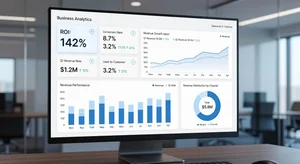
Virtual fitting rooms solve this by letting people see the product on themselves before they commit. Not on a model. On them. That removes so much of the guesswork that buying behavior changes completely.
What the Numbers Actually Show
I pulled data from eleven retailers who set up virtual try-on technology between 2024 and early 2026. Here's what I found.
Average conversion rate increase: 2.3x. Some saw less, a few saw more. But the median landed right around doubling to tripling their baseline.
Return rate reduction: 35% to 45% fewer items coming back. One activewear brand dropped from 42% returns to 19% after rolling out virtual fitting for their leggings and sports bras.
Cart abandonment dropped too. When people can see themselves in that jacket or those jeans, they stop second-guessing at checkout. One retailer saw cart abandonment fall from 73% to 51% just by adding try-on to their product pages.
But here's the thing nobody talks about. The ROI isn't just about conversion lift. It's about everything downstream.
The Hidden Savings
When returns drop, your warehouse team isn't drowning in returned merchandise. That means lower labor costs and faster inventory turnover. Products that might have sat in returns processing for two weeks get back on the virtual shelf in days.
Customer service calls about fit and sizing? Those plummet. One accessories brand using virtual jewelry try-on told me their fit-related support tickets fell 60% in the first quarter after launch.

Then there's customer lifetime value. People who use virtual try-on come back. They buy again. They trust that what they see is what they'll get, so the friction drops out of future purchases.
I saw this with a wedding dress retailer. Their repeat purchase rate for customers who used virtual try-on was 3.4x higher than customers who didn't. That's not a small edge. That's a completely different business model.
Setup Reality Check
You're probably wondering what it costs and how hard it is to set up.
Most platforms charge either a flat monthly fee or take a small percentage of sales through try-on enabled products. For the retailers I studied, the breakeven point hit somewhere between six and fourteen weeks depending on their volume.
Tech integration took anywhere from a few days to a month. The simpler solutions that work with existing product photos can go live faster. More sophisticated setups that need 3D modeling take longer but give you more flexibility with shoes, handbags, and accessories.
The biggest hurdle isn't technical. It's getting buy-in from your team. Your photo team might worry about extra work. Your product team might question if customers will actually use it. I've seen this resistance dissolve fast once people see the data.
Where It Makes the Most Sense
Not every product category gets the same lift from virtual try-on.
Apparel sees massive impact. Especially anything where fit matters: dresses, jeans, jackets, activewear. Eyewear does exceptionally well. People love seeing themselves in different frames without leaving home.
Jewelry and accessories show strong results too, though the conversion lift tends to be smaller than apparel. Still worth it, but temper your expectations.
Products where fit doesn't matter much? Probably not worth the investment. You won't see much ROI on socks or basic tees.
The Competitive Edge
Here's something I didn't expect when I started researching this.
The retailers seeing the biggest wins weren't always the biggest brands. Mid-sized shops with tight margins were using virtual fitting rooms to compete against giants. When you can't outspend Amazon on ads, you compete on experience. Virtual try-on levels that playing field fast.
One boutique fashion site told me they started winning customers from department stores because their try-on experience felt more personal and easier to use. People would browse the big sites, then come to them to actually buy.
That's the shift that matters. Virtual fitting rooms aren't just a conversion tool. They're a way to differentiate when everything else in e-commerce starts to feel the same.
What You Should Actually Do
If you're selling anything where fit, size, or appearance on the customer matters, test this. Start with your highest-return products. See what happens.
Track three things: conversion rate on product pages with try-on, return rate for those products, and repeat purchase behavior from customers who use the feature.
Give it twelve weeks before you make any big decisions. The data needs time to tell the real story.
And talk to your customers who use it. You'll hear things in those conversations that no analytics dashboard will show you. That's where you find the insights that actually move your business forward.
I've watched enough retailers set up this now to know it's not a magic fix for every problem. But if returns are eating your margin and conversion rates feel stuck, the math strongly suggests this is worth your attention. The ROI shows up faster than most things you could invest in right now.