Virtual Makeup Try-On: Testing Trends Without Buying | Cliptics
I have 47 lipsticks in my drawer. Forty. Seven.
Most of them I wore once, maybe twice. Some never made it past the bathroom mirror. That peachy nude that looked perfect on the influencer? Washed me out completely. The bold berry that seemed so sophisticated in the store? Made me look like I was heading to a costume party.
Every single one of those mistakes cost me anywhere from fifteen to fifty dollars. Add it up and we're talking real money. Money I could've spent on lipsticks I actually loved, or literally anything else.
That was before I discovered virtual makeup try on. And honestly, it's changed how I think about buying makeup entirely.
The Drawer Full of Regrets Problem
You know exactly what I'm talking about. We've all been there.
You're scrolling through social media and suddenly everyone's wearing this gorgeous terracotta eyeshadow. It looks stunning. You need it. So you head to the store, buy the shade, bring it home, and... it looks nothing like what you expected.
Maybe your undertones are different. Maybe your skin tone doesn't complement it the same way. Maybe the lighting in your bathroom is just terrible. Whatever the reason, another product joins the graveyard of good intentions.
The beauty industry knows this happens. They know people buy things that don't work. But they don't exactly advertise it, do they? Returns are messy. Samples run out. Testers at stores get contaminated. And swatching something on your hand tells you absolutely nothing about how it'll look on your face.
So we keep buying. Keep hoping. Keep accumulating products that sit unused while we reach for the same three things every morning.
Virtual makeup try on tools solve this in the most obvious way possible. You see the product on your actual face before you spend money. Game changing? Maybe not. Practical? Absolutely.
How I Actually Use This Thing
Let me walk you through my typical process now, because it's completely different from how I used to shop.
I see a trend I like. Could be a lip combo on Instagram, could be a magazine editorial, could be something I spotted on someone walking past me on the street. Instead of immediately hunting down products, I open a virtual try on tool.
Most of these work the same basic way. You upload a photo or use your camera. The AI maps your face, figures out where your lips are, where your eyes are, all those landmarks. Then you start testing looks.
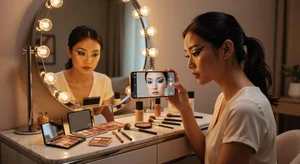
The good tools, the ones worth using, show you realistic results. Not cartoon filters. Not Instagram beauty mode. Actual makeup looks that account for lighting, skin texture, and how colors layer over your natural features.
I usually test multiple variations. That red lip? I'll try it in ten different shades. Warm reds, cool reds, deep burgundies, bright crimsons. All in about five minutes. Then I save the ones that actually work and ignore the rest.
Same thing with eyeshadow combinations. I can test a smoky eye in browns, then grays, then purples, then greens, without touching a single brush or wasting any product. When I find something I genuinely love, that's when I start looking for actual products to buy.
It sounds simple because it is. But the impact on my spending and my satisfaction with what I buy? That's been huge.
The Trends I Tested Without Regret
Let me give you some real examples of how this saved me from expensive mistakes.
Last spring, glossy lids were everywhere. Every beauty blogger, every runway show, every editorial spread. Shiny, wet looking eyelids. I was so tempted to try it.
But I had this nagging feeling it wouldn't work for my hooded eyes. Too much shine might make them look smaller or puffy. So I tested it virtually first. Tried different intensities of gloss, different placements, different base colors underneath.
Turns out my instinct was right. On me, it looked like I'd accidentally smeared Vaseline on my eyelids. Saved myself from buying specialized glosses and feeling disappointed. Instead, I figured out that a subtle satin finish in the center of my lid gave me a similar vibe without the unflattering shine.
Then there's the whole clean girl makeup thing. Barely there base, flushed cheeks, glossy lips. Looks effortless on models. I wanted to see if I could pull it off without looking completely washed out.
Tested it virtually and discovered I needed more color than the trend typically shows. My version of clean girl makeup uses slightly deeper blush and a tinted lip instead of clear gloss. Without trying it first, I would've bought products that were too sheer and felt frustrated that the look didn't work.
More recently, the bronze and burgundy combination started trending for fall. I loved it in theory. Tested it virtually and fell completely in love with how it looked on me. Warm bronze on the lids, deeper burgundy in the crease, a matching burgundy lip.
That's when I actually went shopping. I knew exactly what shades to look for, exactly what finish I wanted, exactly how intense the colors needed to be. Bought four products and use every single one of them regularly. No regrets. No waste. Just makeup I actually wear.
What Actually Matters in a Virtual Try On Tool
Not all virtual makeup tools are created equal. I've tested probably a dozen at this point, and the differences are noticeable.
The biggest factor? How realistic the rendering looks. Bad tools make everything look like a Snapchat filter. The colors are too bright, the edges are too perfect, the blending doesn't exist. You can't make actual decisions based on results that don't reflect reality.
Good tools account for your skin's undertones. They blend the colors naturally at the edges. They show how the product interacts with light, how it sits on skin texture, how it changes the overall balance of your face.
Speed matters too. If I have to wait thirty seconds every time I want to test a new shade, I'm not going to use the tool. It needs to be fast enough that experimenting feels fun instead of tedious.
The variety of products available makes a difference. Some tools only do lips. That's useful but limited. The really helpful ones let you test full looks. Foundation matching, eyeshadow combinations, blush placement, lip colors, everything at once.
And honestly, it needs to be free or very cheap. The whole point is saving money on makeup you won't use. If I'm paying a subscription to test products virtually, that defeats the purpose.
Browser based tools have an advantage here. Nothing to download, nothing to install, works on your phone or computer. Just open a website and start testing. That accessibility keeps me coming back instead of forgetting about it.
The Part Nobody Talks About
Here's what virtual try on has done that I didn't expect. It's made me way more adventurous with color.
Before, I stuck to safe choices. Nudes that were close to my lip color. Browns and taupes for eyes. Nothing too bold, nothing too risky. Because bold colors felt like expensive gambles.
Now I test wild combinations all the time. Bright orange lips. Electric blue eyeliner. Fuchsia blush. Most of them look terrible on me, which is fine because I find out in thirty seconds instead of after spending fifty dollars.
But sometimes? Sometimes something totally unexpected works beautifully.
I would've never bought a chartreuse eyeliner in a million years. Too weird, too bold, too risky. But I tested it virtually on a whim and discovered that a thin line of it in my waterline makes my eyes look incredibly bright and awake. Now I wear it constantly and get compliments every time.
Same thing with mixing warm and cool tones, which conventional makeup wisdom says you shouldn't do. Virtual try on let me break that rule safely and figure out what actually works instead of following arbitrary guidelines.
It's shifted my relationship with makeup from following trends to playing with them. I can be inspired by what I see online without feeling pressured to copy it exactly. I can adapt ideas to my face instead of trying to make my face fit the idea.
What This Means for How We Buy Beauty
The beauty industry is slowly catching on to this shift. More brands are adding virtual try on features to their websites. More retailers are integrating it into their apps.
But the independent tools, the ones not tied to specific brands, those are the ones I keep using. Because I don't want to see what one company's red lipstick looks like. I want to find the perfect red, period, and then figure out which brand makes it.
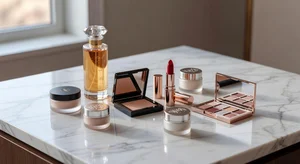
That's where tools like Cliptics' AI makeup try on come in. You test the look first, fall in love with what you see, then hunt for products that match. The technology works for you instead of being a marketing tool for brands.
I think we're going to see this become standard pretty quickly. The generation growing up with this technology won't understand why anyone ever bought makeup without testing it virtually first. It'll seem as outdated as buying shoes online without checking reviews.
And honestly, that's a good thing. Less waste, more satisfaction, fewer drawers full of regrets.
What I Tell Everyone Who Asks
People see my makeup and ask for recommendations now. Which lipstick is that? What eyeshadow palette? How did you know those colors would work?
My answer is always the same. Test it virtually first. Don't trust the Instagram post. Don't trust the store lighting. Don't trust the description that promises it's "universally flattering."
Upload a photo, try the look, see what happens. If it works, great, go buy it. If it doesn't, you saved yourself money and disappointment.
The makeup you actually use is so much more valuable than the makeup you own. Virtual try on helps you figure out the difference before your credit card comes out.
That's not game changing technology. It's just practical common sense, finally backed up by tools that actually work.