
Virtual Wedding Dress Try-On Guide | Cliptics
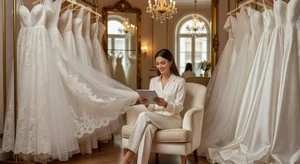
She was standing in her kitchen at eleven at night, scrolling through wedding dresses on her phone, when the tears started. Not sad tears. Overwhelmed tears. There were thousands of dresses. Thousands. And every single one looked gorgeous on the model but told her absolutely nothing about how it would look on her own body. Her wedding was eight months away, she had three salon appointments booked across two weekends, and she already felt exhausted before trying on a single gown.
That moment is more common than anyone admits. The wedding dress search is supposed to be this magical, champagne filled afternoon where you twirl in front of a mirror and everyone cries happy tears. For some brides, it is. For many others, it is a stressful, expensive, and surprisingly confusing process that leaves them second guessing every choice.
This is exactly where virtual wedding dress try-on technology changes the story. Not by replacing the salon experience, but by giving you clarity before you ever walk through those doors.
The Problem With Traditional Wedding Dress Shopping
Here is the truth nobody puts on Pinterest. The average bride visits three to five bridal salons before finding her dress. Each appointment lasts one to two hours. Most salons carry a curated selection, meaning you might see 20 to 40 dresses per visit, and the consultant usually picks most of them based on a quick conversation about your style preferences.
That means your entire decision about the most photographed outfit of your life comes down to trying maybe 50 to 80 dresses, chosen largely by someone who met you ten minutes ago.
The math gets worse when you factor in geography. If you live outside a major metro area, your salon options shrink dramatically. Budget constraints narrow the field further. And if your body type, skin tone, or personal style falls outside what a particular salon stocks, you are stuck imagining how a dress might work rather than seeing it.
Virtual try-on solves the discovery problem entirely. Instead of 50 to 80 options seen in person, you can preview hundreds of gowns on your own body in a single evening.
How Virtual Wedding Dress Try-On Actually Works
The technology behind virtual wedding dress try-on has matured dramatically. You upload a photo of yourself, and AI models map the dress onto your body with remarkable accuracy. The system accounts for your proportions, posture, and shape, rendering how different silhouettes, fabrics, and necklines would actually look on you.
A-line versus mermaid versus ball gown is no longer an abstract concept. You see the difference on your body. That sweetheart neckline you were curious about? Preview it in seconds. The off-shoulder look your maid of honor suggested? Try it before committing an entire salon appointment to the idea.
The detail work has improved too. Lace patterns, beading arrangements, and tulle layering all render with enough fidelity to make meaningful style decisions. You will not feel the fabric weight or the way silk moves when you walk, but you will know immediately whether a style flatters your figure or falls flat.
What makes this especially powerful is the emotional component. Wedding dress shopping carries enormous pressure. Every bride has a vision, even if it is vague, and the gap between that vision and reality can be heartbreaking. Virtual try-on lets you close that gap privately, on your own timeline, without an audience watching your face as you process each option.
Building Your Bridal Vision Board With Purpose
The smartest way to use virtual try-on is not as a replacement for the salon. It is as the research phase that makes your salon visits wildly more productive.
Start broad. Try silhouettes you would never have considered. The bride who was certain she wanted a fitted sheath might discover that a romantic ball gown makes her feel like the version of herself she has been imagining. The one who pinned fifty A-line dresses might realize a structured column dress photographs beautifully on her frame.
This is the gift of virtual try-on: permission to explore without commitment. No consultant hovering. No clock ticking on your appointment. No pressure to narrow down when you are still figuring out what you love.
Once you have explored broadly, start building categories. Which necklines work? Which silhouettes feel right? What fabric textures appeal to you? Create a focused shortlist of five to eight specific styles, and bring that shortlist to your salon appointments.
When you arrive at David's Bridal, Azazie, BHLDN, or Pronovias with a curated list and clear preferences, you transform from a passive participant into someone who drives the conversation. Your consultant becomes a collaborator rather than a guide, and your appointment time gets spent on dresses that actually have a chance of being "the one."
The Accessories Question
Wedding dresses do not exist in isolation. The veil, the jewelry, the shoes, the hairstyle, everything works together. One of the most underrated benefits of virtual try-on is the ability to experiment with the complete bridal look.
Pair your favorite gown with different jewelry styles to see how a statement necklace changes the feel of a high neckline or whether drop earrings complement a strapless bodice. These combinations are nearly impossible to test in a salon because most do not carry extensive accessories or encourage mixing and matching across brands.
The Cliptics virtual try-on suite lets you layer these decisions. Dress, jewelry, veil length, and even hairstyle possibilities can all be previewed together. That complete view prevents the common problem of choosing a dress in isolation and then struggling to find accessories that work with it.
What Your Bridesmaids Actually Want to Know
Here is a secret your bridal party will never tell you: they want to help, but they are terrified of giving the wrong opinion. When you share virtual try-on images before the salon visit, you give them permission to be honest in a low stakes environment.
Send your top five options in a group chat. Let people react without the pressure of your face in the mirror watching their expressions. You will get more genuine feedback, and you will arrive at the salon with a better sense of what resonates with the people who matter most.
For destination brides or anyone with a geographically scattered support system, this is transformative. Your mother across the country and your best friend overseas can participate meaningfully in the dress selection process without booking flights.
Managing Expectations and Budget
Virtual try-on creates transparency around pricing that traditional shopping often obscures. When you are browsing online, price tags are visible. You can filter by budget range. You can compare similar styles across different designers and retailers without the awkward moment of asking a consultant to show you something less expensive.
This matters because wedding dress budgets are deeply personal, and the gap between what bridal media shows and what most brides spend is enormous. The average wedding dress cost in 2026 sits around $2,000, but designer gowns run five to ten times that. Virtual try-on lets you discover what you love within your actual budget, not the budget a salon assumes you have.
It also helps with a phenomenon every bride knows: falling in love with a dress you cannot afford. When you do your emotional exploration virtually, you have time to process those feelings privately. You can find similar styles at different price points. You can make rational decisions without a sales consultant explaining financing options while you are standing in tulle and tears.
The Salon Visit, Reimagined
When you finally walk into the boutique, something remarkable happens. You are calm. You are confident. You know what works on your body because you have already seen it. The appointment feels less like a high stakes audition and more like a confirmation.
You can focus on what virtual try-on cannot show you: the weight of the fabric against your skin, the way the train moves behind you, the sound the beading makes when you turn. These sensory details are what make the in-person experience irreplaceable, and they deserve your full attention rather than being buried under the anxiety of style decisions you could have made from home.
The tears that come in the salon mirror are different too. They are not overwhelmed tears. They are the tears of recognizing yourself in a dress you already knew would be perfect.
Making It Work for Your Timeline
Wedding planning timelines vary, but here is a practical approach. Start virtual try-on exploration 10 to 12 months before your wedding. Spend two to three weeks browsing broadly, then another week refining your shortlist. Book salon appointments 8 to 9 months out, bringing your curated selections.
This timeline builds in buffer for ordering, shipping, and the two to three alteration appointments most dresses require. It also prevents the panic buying that happens when brides start shopping too late and choose under pressure.
If your timeline is tighter, virtual try-on becomes even more valuable. When you only have time for one or two salon visits, the research you do virtually ensures every minute counts.
Your Dress Is Out There
The wedding dress search is one of the most personal shopping experiences you will ever have. It is loaded with expectations, emotions, and pressure from every direction. Virtual try-on technology does not eliminate those feelings, but it gives you a private space to work through them at your own pace.
Start your search tonight if you want to. Open your phone, upload a photo, and try on twenty dresses before bed. Nobody is watching. Nobody is judging. It is just you, figuring out what makes you feel like the most beautiful version of yourself.
And when you find it, when you see that dress on your body and something clicks, you will know. The salon visit will just make it official.