
Women's Hairstyle Trends 2026: AI Preview Guide | Cliptics
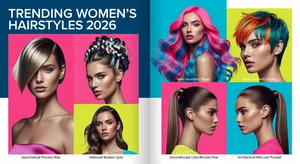
Every January I search for what hairstyles are about to trend. By the time everyone else catches on in summer, I'm already over it.
Getting ahead of hair trends gives you that early adopter edge. You show up looking current before the style becomes oversaturated. Then you pivot before it gets tired.
The AI womens hairstyle changer lets you test upcoming trends virtually before committing. See exactly how next season's styles look on your face shape and features without waiting for your stylist to catch up.
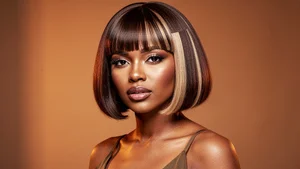
The Blunt Bob Evolution
Blunt bobs dominated 2024 and 2025. Sharp lines, chin length, no layers. Clean and architectural.
2026 shifts toward softer bob variations. Still structured but with subtle movement. Micro layers that add texture without losing the bob silhouette.
Think slightly longer than chin, grazing the collarbone. Point cut ends instead of blunt straight across. Adds softness while maintaining that modern geometric feel.
I tested this progression with virtual previews. The pure blunt bob felt dated. Adding just a hint of texture and length updated the whole vibe without abandoning the structured bob aesthetic completely.
Styling shifts too. Less poker straight, more natural texture. Air dried with minimal product beats the ultra sleek flat ironed look from previous years.
Long Layers Making a Comeback
Long hair went flat and single length for the past few years. That era's ending.
2026 brings back movement through layering. Not the choppy dramatic layers from 2010. Subtle blended layers that create dimension and flow.
Face framing pieces cut shorter around the face, gradually blending into longer lengths. Adds interest without sacrificing overall length.
This works especially well for thick hair that tends to look heavy when grown long and unstructured. Layers remove bulk and let hair move naturally.
The AI hairstyle changer shows exactly where layers fall on your specific hair length and thickness. You see if the movement enhances or just creates unwanted volume.
For fine hair, strategic layers add fullness. For thick hair, they reduce weight. Same trend, different execution based on your texture.
Curtain Bangs Evolving
Curtain bangs peaked hard in 2023. Everyone had them. That saturation means the trend shifts.
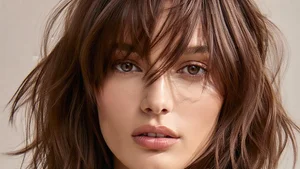
2026 keeps the face framing concept but changes the execution. Longer, softer, less obvious. Think cheekbone grazing wisps instead of structured curtain parts.
These transition smoothly into the rest of your hair. You can style them forward or sweep them back. Versatile instead of statement.
I like this evolution because it solves the maintenance problem. Traditional curtain bangs need constant trimming to maintain that perfect length. The softer 2026 version grows out gracefully without awkward stages.
Testing this virtually prevents the commitment anxiety. See if wispy face framing flatters your specific face shape before asking your stylist to cut bangs.
Color Trends Shifting Natural
Extreme color contrasts are fading. Harsh highlights, dramatic ombre, super vivid fashion colors. All moving toward subtlety.
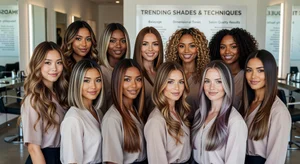
2026 favors dimensional tones that look naturally sun kissed. Multiple shades blended smoothly. Depth and dimension without obvious color blocking.
Rooty looks stay acceptable. Your natural color showing at the roots isn't a maintenance failure, it's intentional depth. Reduces salon visits while looking deliberate.
Warmer tones dominate over the cool ashy shades that trended recently. Honey, caramel, rich browns, warm auburns. Colors that feel lived in and authentic.
The AI hair color changer lets you preview different dimensional color combinations on your actual hair. See if warmer tones complement your skin tone before bleaching.
For gray coverage, embracing natural gray placement becomes more common. Enhancing rather than hiding. Blending grays strategically instead of covering every single strand.
Texture Over Sleekness
High gloss straight hair is out. Natural texture with slight imperfection is in.
This doesn't mean sloppy. It means enhancing your natural texture instead of fighting it. Curls look bouncy and defined. Waves look touchable and loose. Straight hair has movement instead of flat ironed stiffness.
Products shift from heavy serums to light texturizing sprays. Goal is enhancing natural movement, not creating artificial perfection.
I'm seeing this trend emerge strongest among women tired of spending an hour blow drying and straightening. Embracing natural texture saves time while looking current.
Testing different texture enhancing styles virtually helps you understand what your natural hair actually does when you stop forcing it into submission. Might look better than you expect.
The Shag Refinement
Shags exploded in 2025. Choppy layers everywhere, heavy fringe, lots of texture. Very 70s revival.
2026 refines this into something cleaner. Maintains the layered movement but tones down the extreme choppiness. More polished, less rock and roll.
Think modern shag that works for professional environments. Still has personality but reads sophisticated instead of rebellious.
Length varies from long shag touching shoulders to shorter versions hitting mid neck. The defining feature is layering throughout that creates movement from roots to ends.
This works across different hair types. Straight hair gains volume and interest. Wavy and curly hair gets better shape and definition. The key is customizing layer placement for your specific texture.
Accessory Integration
Hair accessories moved from special occasion items to everyday styling elements.
Claw clips, decorative pins, headbands, barrettes. Functional pieces that also serve as style details. This continues strong into 2026.
Simple pulled back styles elevated with interesting accessories. Half up looks with sculptural clips. Low ponytails with wrapped leather ties.
This trend works brilliantly for transitioning between professional and casual settings. Hair up with minimal accessories for work, swap in statement pieces for evening.
It also extends the life of hairstyles between washes. Second day hair pulled back with accessories looks intentional, not lazy.
Grown Out Roots Embraced
Fighting root regrowth becomes less necessary. Letting natural roots show through colored hair gains acceptance.
This saves money and reduces chemical damage. Less frequent color appointments. Lower maintenance overall.
The trick is making it look intentional. Working with your colorist to create dimension that transitions smoothly as roots grow. Rather than solid color that shows harsh lines when it grows out.
Babylights and fine highlights blend smoothly with natural regrowth. You get months between touch ups instead of weeks.
Health Over Trend Chasing
I'm noticing a shift toward prioritizing hair health over forcing trendy styles that damage hair.
Women choosing styles that work with their natural texture instead of against it. Reducing heat styling. Embracing air drying. Skipping bleach in favor of lower impact color techniques.
This doesn't mean giving up on style. It means choosing trends compatible with maintaining healthy hair.
The AI makeup try on tool helps you see if you can achieve trending looks through styling and makeup rather than damaging your hair structure.
Testing styles virtually before chemical processing prevents regret. Maybe that platinum blonde trend looks amazing in photos but would destroy your hair texture. Preview helps you make informed choices.
Regional Variations
Trends don't hit everywhere simultaneously. Coastal cities tend to adopt styles earlier. Midwest and South follow but adapt trends to local preferences.
What's peaking in LA might just be starting in Atlanta. New York cycles through trends faster than smaller markets. Miami favors different styles than Seattle.
Understanding these timing differences means you can stay ahead regionally without looking too far ahead of your local context. Early adoption impresses in trend forward markets. It confuses in slower moving regions.
Social media makes this complicated because you see global trends instantly. But your actual environment moves at its own pace. Balance what you see online with what works where you live.
Age Appropriate Adaptations
Trending styles need adjustment for different life stages. What works at 22 needs refinement at 42.
2026 trends favor adaptability. Most emerging styles can be modified for different ages without losing their current feel.
Longer softer bangs instead of heavy fringe. Subtle texture instead of extreme layers. Natural color dimension instead of vivid fashion shades.
The core trend translates across age groups through execution adjustments. It's not about different styles for different ages. It's about adapting trending elements to flatter maturely.
Professional Versus Creative Fields
Corporate environments and creative industries have different trend adoption timelines and acceptability thresholds.
Finance and law lag about two years behind fashion and tech. What's mainstream in creative fields is still edgy in conservative industries.
Testing styles with the AI virtual try on lets you gauge if a trend works for your professional context. Some styles translate everywhere. Others need office friendly modifications.
Knowing your industry's style tolerance prevents career limiting hair choices. You can be current within your field's norms without looking dated or inappropriately trendy.
My Trend Testing Process
I preview 5 to 7 emerging styles virtually at the start of each year. See what actually flatters my face shape and coloring.
Pick one or two to try before they peak. Usually a color shift or cut modification. Nothing so dramatic it's all people notice.
Monitor how trends develop through spring and summer. Adjust if styles evolve differently than predicted.
By fall, I've typically moved to whatever's emerging for next year while everyone else is just adopting this year's early trends.
This approach keeps my look current without trend hopping so frequently I lose personal style consistency. Strategic adoption of elements that genuinely improve my appearance rather than blind trend following.
2026 favors refinement over revolution. Subtle improvements on existing styles rather than dramatic departures. Less maintenance, more individuality, better hair health. Test these trends virtually and adopt what actually works for your life, not just what looks good in editorial photos.