
YouTube Shorts vs TikTok vs Instagram Reels: Which | Cliptics
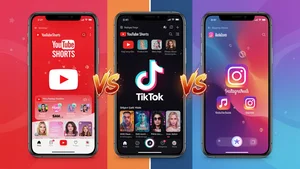
I've been posting short form video across all three platforms for over a year now. Same content, different strategies, obsessive tracking of every metric I can get my hands on. And after hundreds of videos and way too many spreadsheets, I have some strong opinions about where things stand in 2026.
The truth is, each platform has gotten dramatically better at specific things while falling behind on others. The "just post everywhere" advice doesn't cut it anymore. Where you put your energy matters more than ever.
Here's what I've found actually works, what doesn't, and which platform deserves your time depending on what you're trying to build.
The Algorithm Game Has Changed Completely
Let's start with the thing everyone cares about most: who's going to show your video to people?
TikTok's algorithm is still the most aggressive at pushing new creators to large audiences. That hasn't changed. But what has changed is how quickly it moves on. In early 2025, a video could build momentum over several days. Now in 2026, you've got about 90 minutes. If the video doesn't catch fire in that initial push, the algorithm essentially shelves it and moves on to the next piece of content.
YouTube Shorts works differently and honestly, this is where the biggest shift has happened. Google integrated Shorts recommendations deeply into the main YouTube algorithm in late 2025. That means a Shorts video can surface alongside regular YouTube content, in search results, and even get recommended on smart TVs. The discovery surface area is massive compared to the other two platforms.
Instagram Reels still prioritizes your existing network first. Your followers see your Reels before strangers do. That's great if you've already built an audience on Instagram, but it makes breaking through to new people harder than on TikTok or Shorts. Instagram has been slowly opening up the Explore algorithm, but it's still the most conservative of the three.
Monetization Is Where YouTube Shorts Pulls Ahead
If you're creating content to make money, and let's be honest most of us are, the numbers tell a clear story.
YouTube Shorts revenue sharing has matured significantly. Creators in the YouTube Partner Program now earn between $0.04 and $0.08 per thousand views on Shorts. That doesn't sound like much until you realize Shorts regularly rack up millions of views. A video hitting 5 million views can bring in $200 to $400 from ad revenue alone. Plus, and this is the real advantage, Shorts viewers convert to long form subscribers. That's where the serious money is.
TikTok's Creator Rewards Program pays better per view than it used to, roughly $0.50 to $1.00 per thousand qualified views. But the qualification criteria are strict. Videos need to be over one minute, they need high engagement rates, and TikTok's definition of a "qualified view" isn't exactly transparent. Many creators report wildly inconsistent earnings month to month.
Instagram Reels monetization is essentially tied to brand deals and affiliate links. There's no meaningful ad revenue sharing program for Reels in 2026. Meta keeps hinting at it but hasn't delivered. If you're making money on Reels, it's because brands are paying you directly or you're driving traffic somewhere else.
For pure ad revenue: YouTube Shorts wins. For brand deal potential: Instagram Reels wins because of its shopping integration and the demographics advertisers want to reach. TikTok sits somewhere in the middle, with the TikTok Shop integration adding a commerce angle that the other platforms are still catching up to.
Content That Works Is Platform Specific Now
Here's something that took me way too long to accept. The same video performs completely differently on each platform. Not just a little differently. Dramatically differently.
On TikTok, raw and unpolished still outperforms studio quality content. The platform rewards authenticity, or at least the appearance of it. Quick cuts, talking directly to camera, trending sounds, and strong hooks in the first second. TikTok users scroll fast and decide even faster whether to keep watching.
YouTube Shorts rewards slightly more polished content. Think clear audio, good lighting, and a structured narrative even in 60 seconds. YouTube's audience is already trained to consume higher production value content from long form videos. They bring those expectations to Shorts. I've consistently seen my more produced Shorts outperform casual ones on YouTube, while the opposite happens on TikTok.
Instagram Reels falls in between but leans toward aesthetic quality. Instagram's DNA is visual polish. Reels that look beautiful, have clean typography, and feel curated perform best. The Instagram audience expects a certain level of visual quality that TikTok users actively don't want.
This means repurposing content across platforms without adjustments is increasingly a losing strategy. At minimum you need to change the hook, adjust the pacing, and sometimes re-edit entirely for each platform.
Audience Demographics Tell You Where to Focus
The age split across platforms matters more than people realize.
TikTok's core audience has aged up but still skews younger. The 18 to 34 bracket dominates, with Gen Z making up about 40 percent of active users. If your content targets younger consumers, TikTok is still where they live.
YouTube Shorts has the broadest age distribution of the three. It reaches 13 year olds and 55 year olds on the same platform. That's because YouTube itself is embedded in daily habits across all age groups. Your Shorts content can reach demographics that would never open TikTok.
Instagram Reels hits the 25 to 44 sweet spot harder than anywhere else. This is the demographic with disposable income, which is why brands pay premium rates for Reels partnerships. If you're selling products or services to working professionals, Reels delivers the most commercially valuable audience.
The Creator Tools Comparison
All three platforms have invested heavily in editing tools, but the approaches differ.
TikTok's in-app editor remains the most feature-rich. Green screen effects, AI-generated backgrounds, voice filters, auto-captions with styling options, and the deepest library of trending sounds and effects. You can create genuinely good content without ever leaving the app.
YouTube Shorts added a solid editing suite in 2026 but it still feels like an afterthought compared to TikTok. The auto-dubbing feature for translating Shorts into other languages is genuinely impressive though. If you want to reach international audiences, YouTube's translation tools are unmatched.
Instagram Reels offers clean editing basics but has leaned into its collaboration tools. Remix, Collab posts, and smooth integration with Stories and the main feed make it the best platform for building on other people's content and cross-promoting within the Instagram space.
For external editing, CapCut remains the dominant tool for TikTok creators. InShot and VN are popular choices for YouTube Shorts and Reels since they export in formats optimized for those platforms.
Analytics and Growth Tracking
Understanding what's working requires good data, and the platforms vary here too.
YouTube Studio provides the most detailed analytics by far. You can see exactly where viewers drop off, what percentage come from Shorts shelf versus search versus external sources, and how Shorts viewers convert to channel subscribers. The data depth is unmatched.
TikTok Analytics has improved but still feels somewhat opaque. You get basic view counts, engagement rates, and audience demographics. What you don't get is much insight into why the algorithm chose to push or suppress a particular video.
Instagram Insights for Reels gives you reach, plays, likes, and saves. The "accounts reached" breakdown between followers and non-followers is useful for understanding if your Reels are breaking beyond your existing audience. But compared to YouTube's granularity, it feels surface level.
So Which Platform Actually Wins?
There's no single winner, but there is a clear strategy depending on your goals.
Choose YouTube Shorts if you want long term, sustainable revenue and the broadest possible audience. The connection between Shorts and long form YouTube is the most powerful growth flywheel in short form video right now. You're not just building a Shorts audience, you're building a YouTube channel.
Choose TikTok if you need rapid audience growth and viral potential. No platform gives unknown creators a bigger shot at reaching millions of people quickly. The monetization isn't as reliable, but the exposure is unmatched for building brand awareness.
Choose Instagram Reels if your business model depends on brand partnerships, product sales, or reaching high-income consumers. Instagram's commerce integration and advertiser relationships make it the most commercially valuable platform per follower.
The real power move in 2026 is picking two platforms and going deep rather than spreading thin across all three. Create for your primary platform first, then adapt for your secondary one. Trying to optimize for all three simultaneously leads to mediocre content everywhere.
I've settled on YouTube Shorts as my primary and TikTok as my secondary. The YouTube space just provides more long term value, and Shorts feeds directly into that. But your math might be different depending on your niche, your audience, and what you're ultimately trying to build.
The platforms will keep evolving. TikTok's regulatory situation adds uncertainty. YouTube keeps investing billions in Shorts. Instagram is betting big on AI-powered creation tools. But right now, in March 2026, this is how the landscape actually looks when you strip away the hype and look at the data.
Pick your platforms. Make great content. And stop trying to be everywhere at once.