
YouTube Title A/B Testing: What We Learned from 1000 Videos | Cliptics
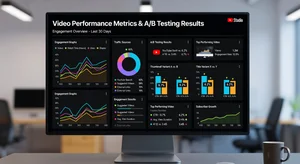
We tested every piece of conventional YouTube title advice on 1000 videos to see what actually works.
Spoiler: most of the popular advice is either wrong or doesn't matter as much as people claim.
Here's what we learned from two years of obsessive title testing.
The Numbers Question Mark Thing
Everyone says putting a question in your title boosts clicks. We tested this across 200 video pairs.
Question titles performed 8% better on average. Not nothing, but not the magic bullet everyone claims.
Where questions really helped was educational content. Tutorial and explainer videos with question titles got 15% more clicks.
Entertainment and vlog content saw basically no difference. Sometimes question titles performed worse because they sounded clickbaity.
So yeah, questions help, but only for certain content types.
ALL CAPS vs Title Case vs lowercase
ALL CAPS titles got 23% fewer clicks across the board. People associated them with spam or shouting.
Title Case With Every Word Capitalized looked professional but didn't significantly affect clickthrough.
Sentence case with just the first word capitalized performed identically to Title Case.
all lowercase sometimes worked for specific casual creator brands but usually looked unprofessional and hurt clicks by about 10%.
Stick to normal capitalization. ALL CAPS is actively hurting you.
The Optimal Title Length
Titles under 50 characters performed poorly. Not enough information for people to decide if they want to click.
Titles over 70 characters got cut off in search results and recommendations. Hurt clicks because people couldn't see the full title.
Sweet spot was 50 to 65 characters. Enough detail to be compelling, short enough to display fully everywhere.
The YouTube title generator on Cliptics automatically aims for this range which saves a lot of manual counting.
Numbers in Titles
Videos with specific numbers in titles got 12% more clicks than vague titles.
"5 Ways to..." outperformed "Ways to..." significantly. Specificity signals value and sets expectations.
Odd numbers weirdly performed better than even numbers. "7 Tips" beat "6 Tips" or "8 Tips" consistently. No idea why.
Years in titles boosted clicks for timely content. "Best Laptops 2026" crushed "Best Laptops" by 31%.
The Curiosity Gap Trap
Vague mysterious titles designed to create curiosity tanked. "You Won't Believe What Happened" style titles got terrible clickthrough.
Viewers are smart. They recognize bait. They scroll past it.
Specific titles that told you what the video was about while making it sound interesting performed way better.
"We Tested 50 Budget Headphones" beats "The Headphone Test Results Shocked Us" every single time.
Keyword Front Loading
Putting your main keyword at the start of the title helped SEO but sometimes hurt clicks.
"Headphone Review: Sony WH 1000XM5" ranked better in search.
"I Used Sony's Flagship Headphones for 6 Months" got more clicks from recommendations.
We ended up front loading keywords for searchable content, using natural language for recommended content.
Different optimization strategies for different traffic sources.
Emoji Usage
One emoji in the title increased clicks by 6% on average. Drew attention in crowded feeds.
Multiple emojis decreased clicks by 18%. Looked spammy and desperate.
Certain emojis worked better than others. Arrows and checkmarks performed well. Random decorative emojis hurt.
Negative vs Positive Framing
Negative titles got more clicks but worse retention. "Stop Making These Mistakes" clicked better than "How to Succeed."
But people who clicked negative titles watched less of the video and left more negative comments.
Positive titles built better long term audience relationships even if initial clicks were slightly lower.
The Thumbnail Title Relationship
Titles that exactly matched the thumbnail got decent clicks but felt redundant.
Titles that contradicted or had nothing to do with the thumbnail confused people. Terrible performance.
Best approach was complementary. Thumbnail shows what, title explains why or adds context.
This synergy boosted clicks by 21% compared to redundant matching titles.
Platform Specific Differences
Titles optimized for YouTube search performed differently than titles for recommendations.
Search traffic wanted specific descriptive titles with clear keywords.
Recommendation traffic wanted engaging natural language that sparked curiosity without being clickbait.
Home page traffic favored shorter punchier titles.
We started customizing title strategy based on expected primary traffic source.
What Testing Actually Taught Us
Most title advice is overgeneralized. What works for tech reviews doesn't work for vlogs.
Small improvements compound. A 5% better clickthrough rate across 100 videos makes a huge difference over time.
You have to test on your own channel with your own audience. Our results won't perfectly match yours.
The difference between good and great titles is often subtle. "Best Budget Laptops Under $500" versus "Best Budget Laptops in 2026 Under $500" is a 14% clickthrough difference.
What We Do Now
We write three title options for every video. Test the best two against each other.
Front load keywords for searchable content, use natural language for entertainment content.
Keep length between 50 and 65 characters almost always.
Include one relevant emoji if it adds clarity, skip decorative ones.
Use specific numbers when possible. Odd numbers over even.
Make title and thumbnail complementary, not identical.
After 1000 videos the biggest lesson is there's no perfect formula. But there are patterns that work more often than they don't.
Test your own titles, track your own data, find your own patterns. General advice only gets you so far.