Our AI agent handled 127 customer support tickets last week without human intervention. Escalated 31 cases requiring judgment. Resolved the rest completely autonomously with 94% customer satisfaction.
Six months ago, that same workload required two full-time support staff. Now one person handles escalations while the agent manages routine inquiries independently.
That's agentic AI in practice. Not chatbots following scripts, but autonomous systems making decisions, using tools, and completing complex multi-step workflows without constant supervision.
What Makes AI Truly Agentic#
The difference between assistive AI and agentic AI: assistive AI waits for instructions, agentic AI pursues goals independently.
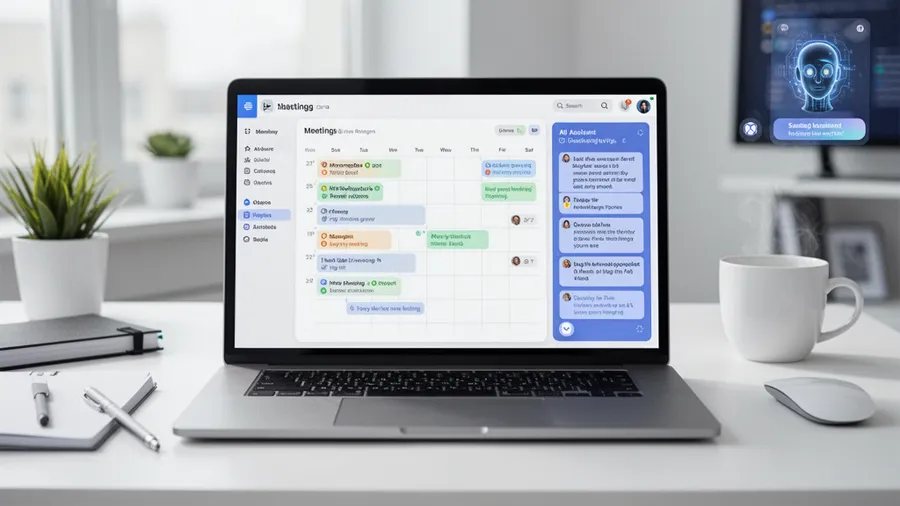
ChatGPT answering questions is assistive. An AI agent that monitors your calendar, researches meeting participants, prepares briefing documents, and suggests agenda items automatically is agentic.
Key characteristics: goal-directed behavior, tool use, planning and adaptation, memory and context, autonomous decision-making within defined parameters.
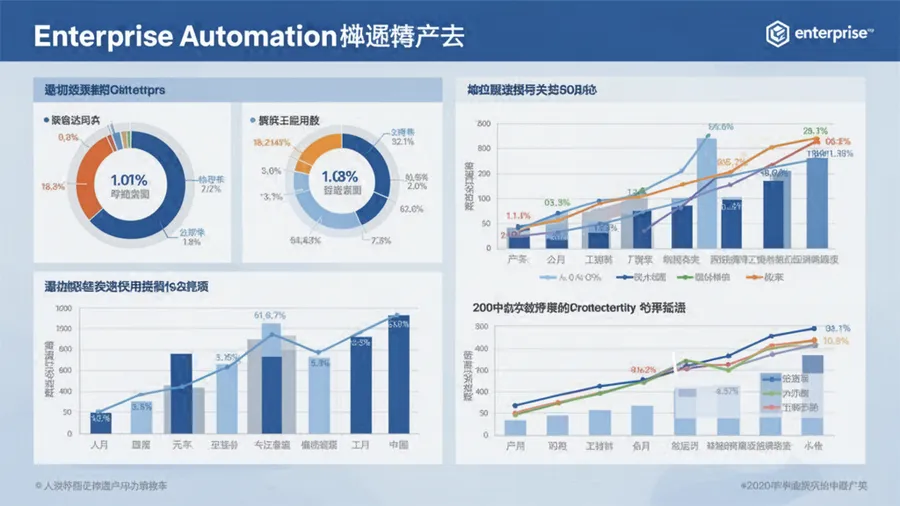
The 40% automation figure comes from Gartner's May 2026 research showing average organizations implementing agentic AI achieve 40% task automation within first year. Top performers hit 60%.
Real Implementation Case Studies#
Microsoft's internal engineering uses AI agents for code review that reduced cycle time from 2-3 days to 6-8 hours. 47% of deployments reach production with zero human code review.
Investment firms deploy agents scanning thousands of financial documents daily, updating models automatically, flagging anomalies. Analysts now cover 3x more companies with same headcount.
Media companies use agents for content workflows, increasing publishing frequency 2.5x while maintaining quality scores.
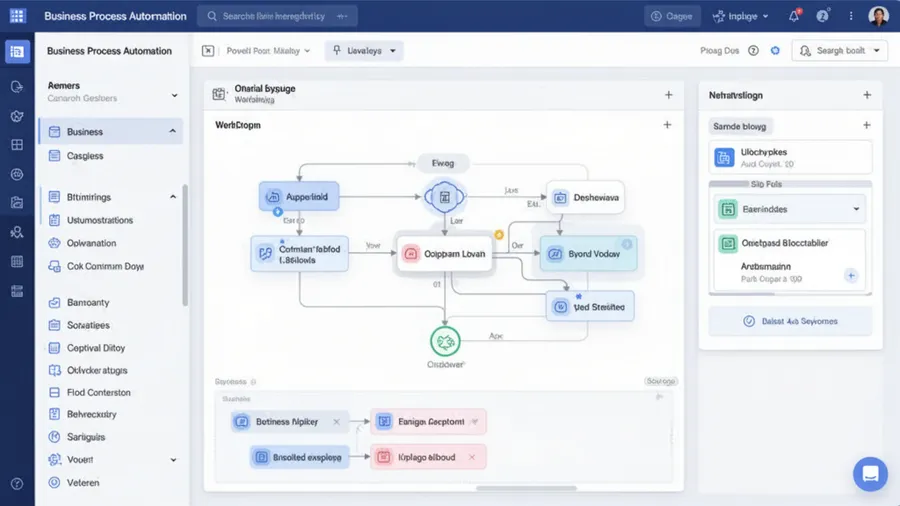
These aren't future possibilities. They're production systems running today delivering measurable business value.
Common Workflow Patterns#
Monitor-Analyze-Act: Continuous system monitoring, automated analysis, predefined actions when conditions met.
Research-Synthesize-Report: Multi-source information gathering, synthesis, human-ready reporting.
Intake-Triage-Route: Request categorization, appropriate routing, automated resolution where possible.
Plan-Execute-Verify: Multi-step planning, systematic execution, outcome verification before proceeding.
Implementation Challenges and Solutions#
Reliability requires comprehensive error handling, fallback behaviors, clear escalation paths.
Security demands least-privilege access, audit logging, credential rotation.
Cost management needs budget limits, usage monitoring, prompt optimization.
Trust builds gradually through observation mode first, then approval-required automation, finally full autonomy for proven tasks.
The 40% Threshold Explained#
Why 40% seems to be average automation rate? 20% of tasks are too complex requiring human judgment. 20% too variable lacking consistent patterns. 20% have compliance constraints. The remaining 40% is automatable, well-defined, repeatable work.
That 40% delivers disproportionate value because it's often the most tedious, time-consuming work humans are happiest to delegate.
Economics and ROI#
Development costs 2-4 weeks per workflow. Monthly operational costs $500-2000 for APIs, $200-500 infrastructure, $100-300 monitoring.
Benefits include 40% average staff time savings, 30-50% error reduction, improved consistency, unlimited scalability.
Break-even typically occurs within 3-6 months for workflows with clear automation potential.
Where This Technology Heads#
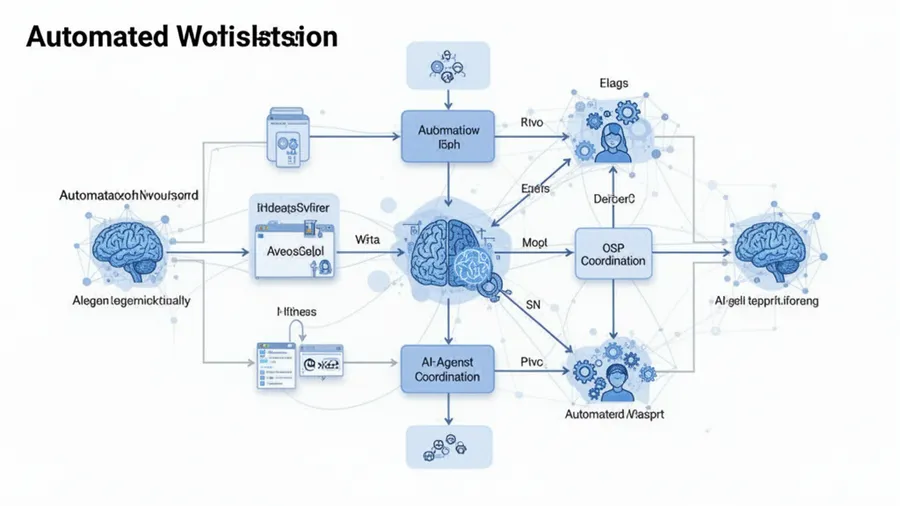
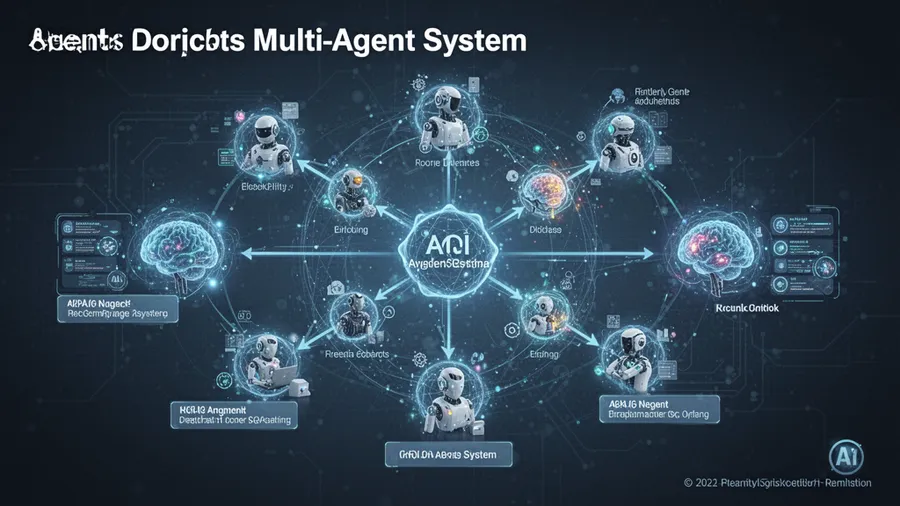
Next 12 months bring better reasoning models, improved tool use, multi-agent coordination, and learning from experience capabilities.
By end 2026, top performers hit 60% automation. By mid-2027, 60% becomes average.
The shift from assistive to agentic AI compares to moving from calculators to spreadsheets. Same underlying capability, entirely new workflows enabled.
For organizations, the question isn't whether to adopt agentic AI but how quickly to implement before competitors gain automation advantages.